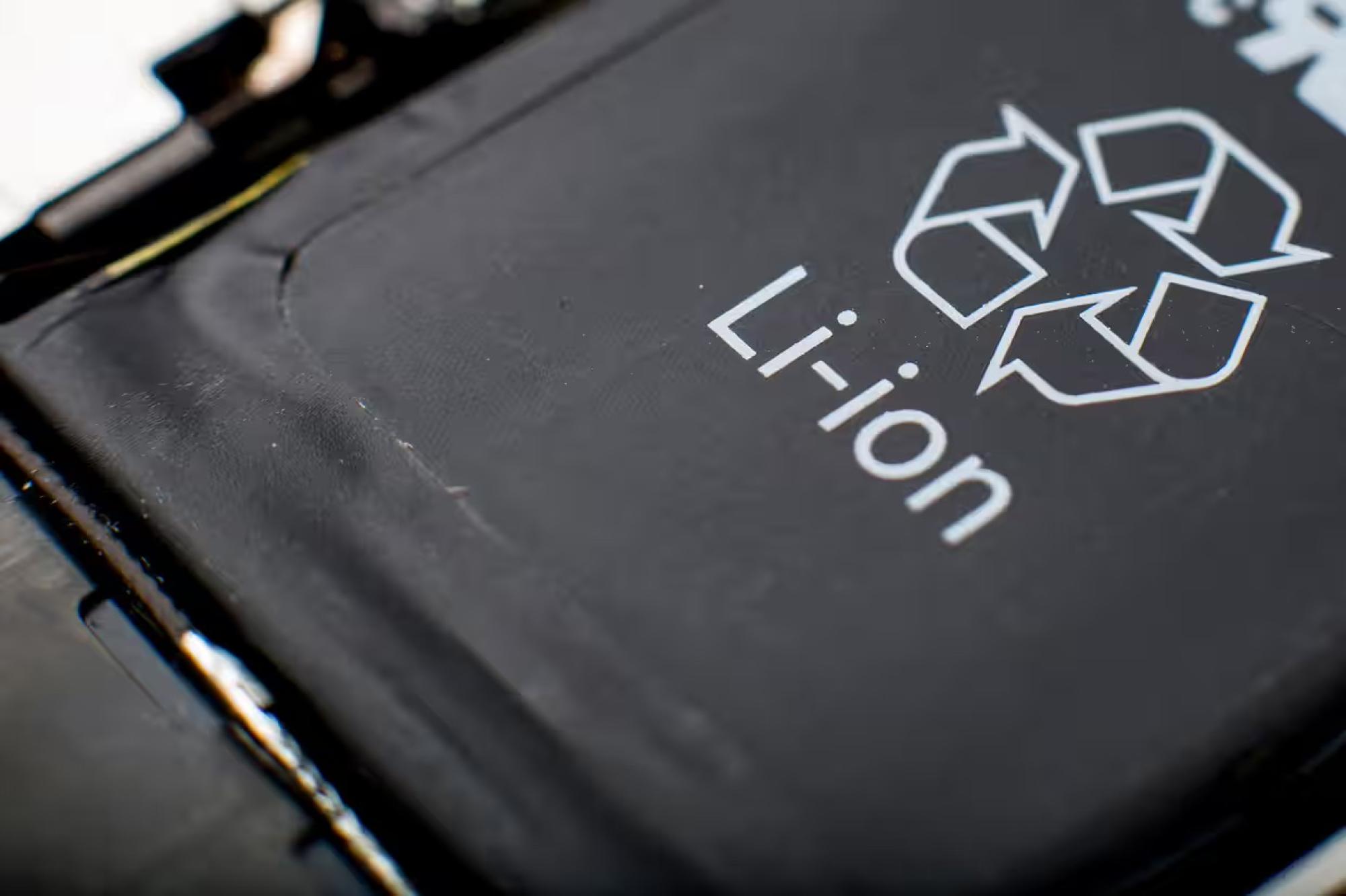
Toxic PFAS "forever chemicals" used in lithium ion batteries essential to the clean energy transition present a dangerous source of chemical pollution that new research finds threatens the environment and human health. The multipronged, peer-reviewed study zeroed in on a little-researched and unregulated subclass of PFAS called bis-FASI that are used in lithium ion batteries. Researchers found alarming levels of the chemicals in the environment near manufacturing plants, noted their presence in remote areas around the world, found they appear to be toxic to living organisms, and discovered that waste from batteries disposed of in landfills was a major pollution source. PFAS are a class of about 16,000 human-made compounds most often used to make products resistant to water, stains and heat. They are called "forever chemicals" because they do not naturally break down and have been found to accumulate in humans. The chemicals are linked to cancer, birth defects, liver disease, thyroid disease, plummeting sperm counts and a range of other serious health problems. The paper notes that few end-of-life standards for PFAS battery waste exist, and the vast majority ends up in municipal dumps where it can leach into waterways, accumulate locally or be transported long distances. It looked at the presence of the chemicals in historical leachate samples and found none in those from prior to the mid-1990s, when the chemical class was commercialized.
Latest
Latest News
Each news summary is created according to strict standards. Here's how we do it.
Each summary is created using a consistent editorial procedure. The target length is approximately 16 lines of 11-point Arial text in a 650-pixel-wide column. Up to 25% of a summary may be set in bold to emphasize the most important ideas. Summaries are composed of verbatim excerpts presented in the same sequence as they appear in the original news source, with very minor editorial additions. Where material has been omitted between excerpts, the omission is indicated with ellipses (...). Any words added by an editor for clarity or context appear in [brackets]. Our original news editor was Fred Burks. Tod Fletcher edited most summaries from 2007 through 2014, and Mark Bailey has served as news editor since 2014.