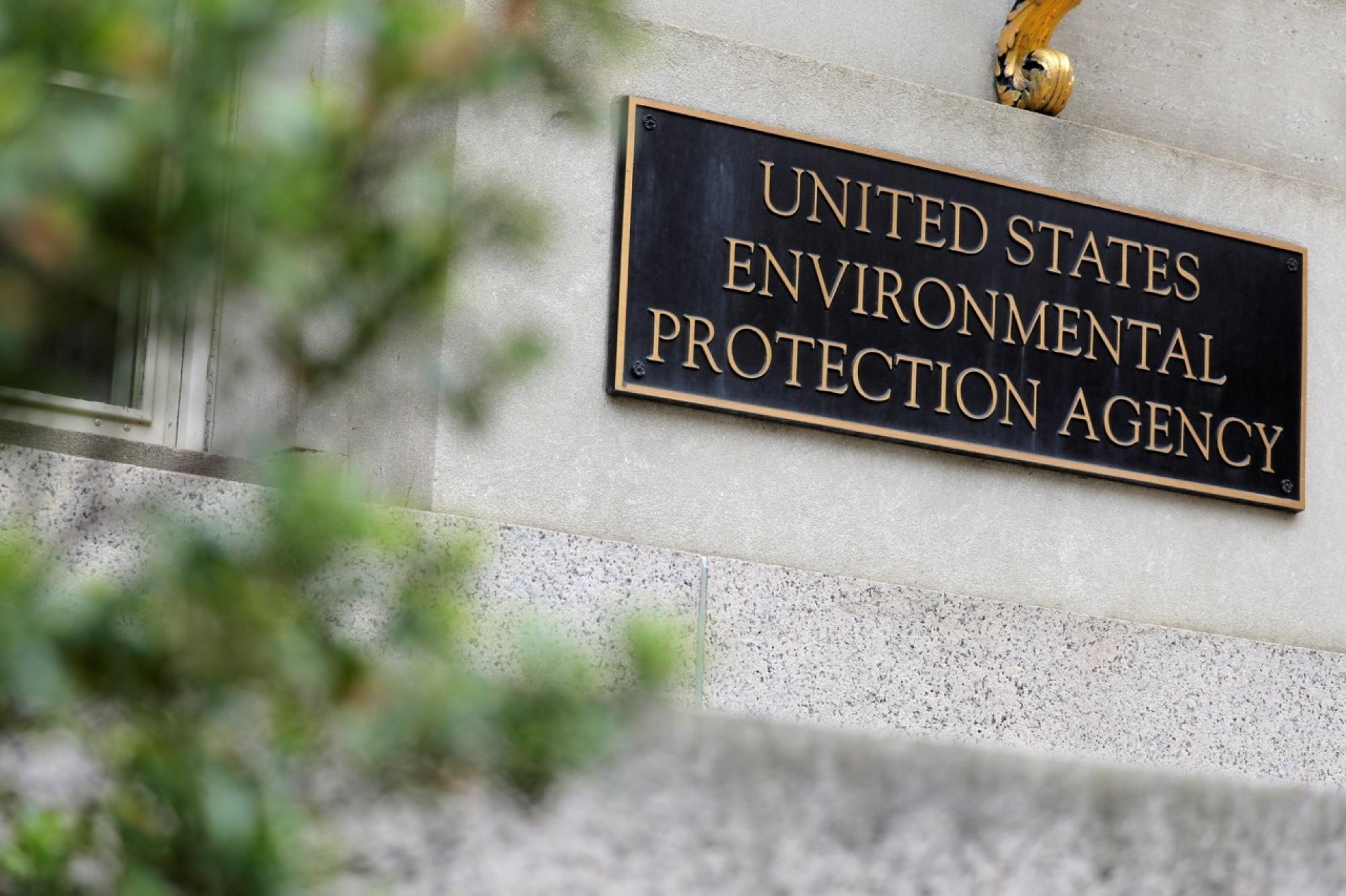
Karen McCormack, a retired Environmental Protection Agency (EPA) scientist who spent 40 years with the agency, told Al Jazeera's investigative show Fault Lines that she believed the EPA was not fulfilling its mission to protect the public from harmful chemicals. "In the last three decades that I have worked at EPA it has been very rare for a toxic pesticide to be taken off the market," she told Fault Lines. "Just about every, every new pesticide application that is submitted to the agency is approved, no matter how high the risk." As the Al Jazeera report notes, paraquat is banned in 58 countries but its use is on the rise in the United States. The Guardian's Paraquat Papers, published in 2022 in collaboration with the New Lede, exposed years of corporate efforts to cover up paraquat's links to Parkinson's disease, mislead the public, challenge published scientific literature and influence the EPA. Dr Deborah Cory-Slechta, a prominent researcher, told Al Jazeera: "There is a very strong and compelling body of evidence based on the epidemiology studies and what we know from animal models of Parkinson's disease" that paraquat causes changes in the brain that lead to Parkinson's. As revealed by the Guardian, in 2005 Syngenta worked behind the scenes to keep Cory-Slechta from sitting on an EPA advisory panel, deeming her a threat to paraquat. Company officials wanted to make sure the efforts could not be traced back to Syngenta, the documents showed.
Latest
Latest News
Each news summary is created according to strict standards. Here's how we do it.
Each summary is created using a consistent editorial procedure. The target length is approximately 16 lines of 11-point Arial text in a 650-pixel-wide column. Up to 25% of a summary may be set in bold to emphasize the most important ideas. Summaries are composed of verbatim excerpts presented in the same sequence as they appear in the original news source, with very minor editorial additions. Where material has been omitted between excerpts, the omission is indicated with ellipses (...). Any words added by an editor for clarity or context appear in [brackets]. Our original news editor was Fred Burks. Tod Fletcher edited most summaries from 2007 through 2014, and Mark Bailey has served as news editor since 2014.