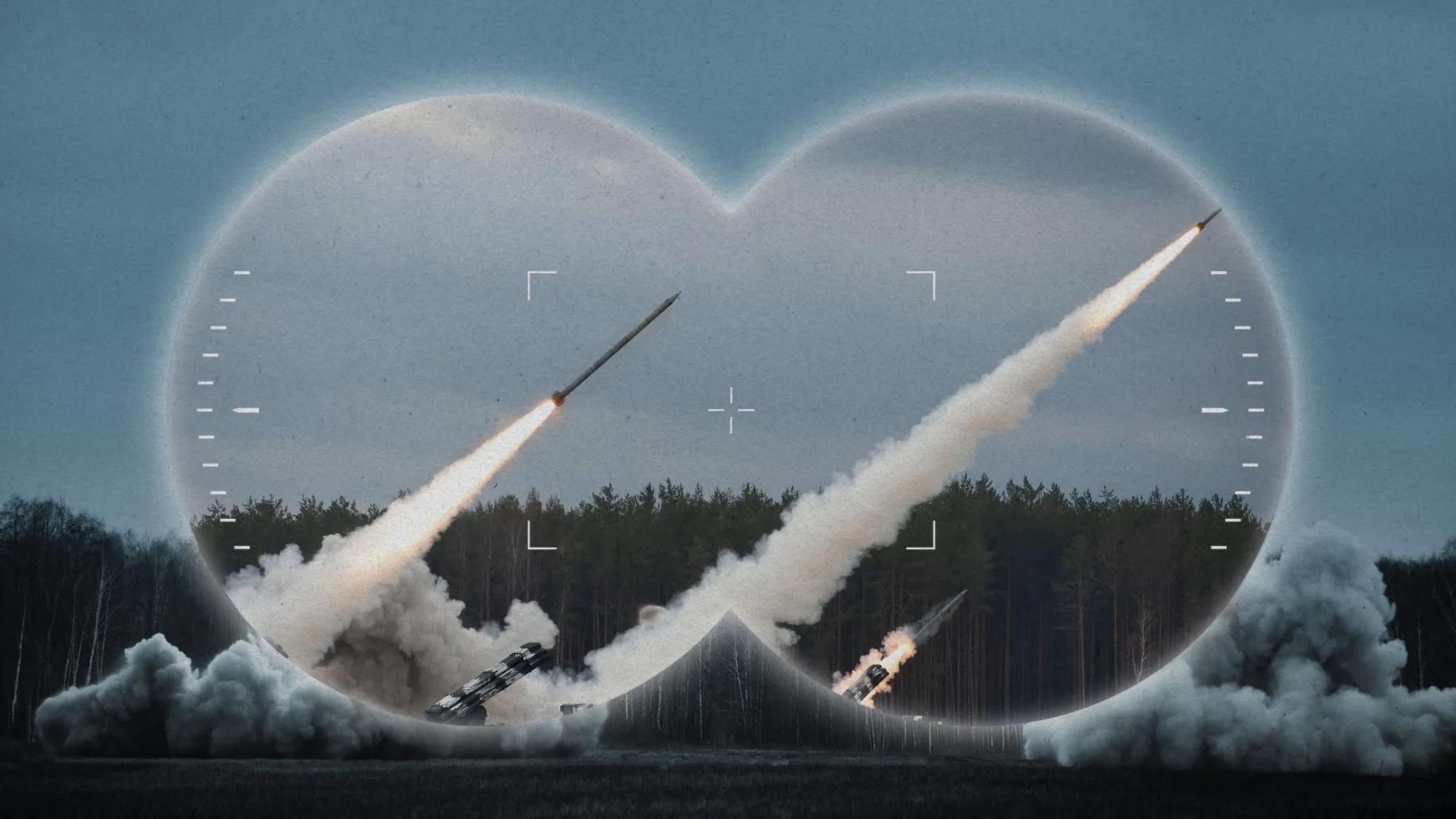
2,500 US service members from the 15th Marine Expeditionary Unit [tested] a leading AI tool the Pentagon has been funding. The generative AI tools they used were built by the defense-tech company Vannevar Labs, which in November was granted a production contract worth up to $99 million by the Pentagon's startup-oriented Defense Innovation Unit. The company, founded in 2019 by veterans of the CIA and US intelligence community, joins the likes of Palantir, Anduril, and Scale AI as a major beneficiary of the US military's embrace of artificial intelligence. In December, the Pentagon said it will spend $100 million in the next two years on pilots specifically for generative AI applications. In addition to Vannevar, it's also turning to Microsoft and Palantir, which are working together on AI models that would make use of classified data. People outside the Pentagon are warning about the potential risks of this plan, including Heidy Khlaaf ... at the AI Now Institute. She says this rush to incorporate generative AI into military decision-making ignores more foundational flaws of the technology: "We're already aware of how LLMs are highly inaccurate, especially in the context of safety-critical applications that require precision." Khlaaf adds that even if humans are "double-checking" the work of AI, there's little reason to think they're capable of catching every mistake. "'Human-in-the-loop' is not always a meaningful mitigation," she says.
Latest
Latest News
Each news summary is created according to strict standards. Here's how we do it.
Each summary is created using a consistent editorial procedure. The target length is approximately 16 lines of 11-point Arial text in a 650-pixel-wide column. Up to 25% of a summary may be set in bold to emphasize the most important ideas. Summaries are composed of verbatim excerpts presented in the same sequence as they appear in the original news source, with very minor editorial additions. Where material has been omitted between excerpts, the omission is indicated with ellipses (...). Any words added by an editor for clarity or context appear in [brackets]. Our original news editor was Fred Burks. Tod Fletcher edited most summaries from 2007 through 2014, and Mark Bailey has served as news editor since 2014.