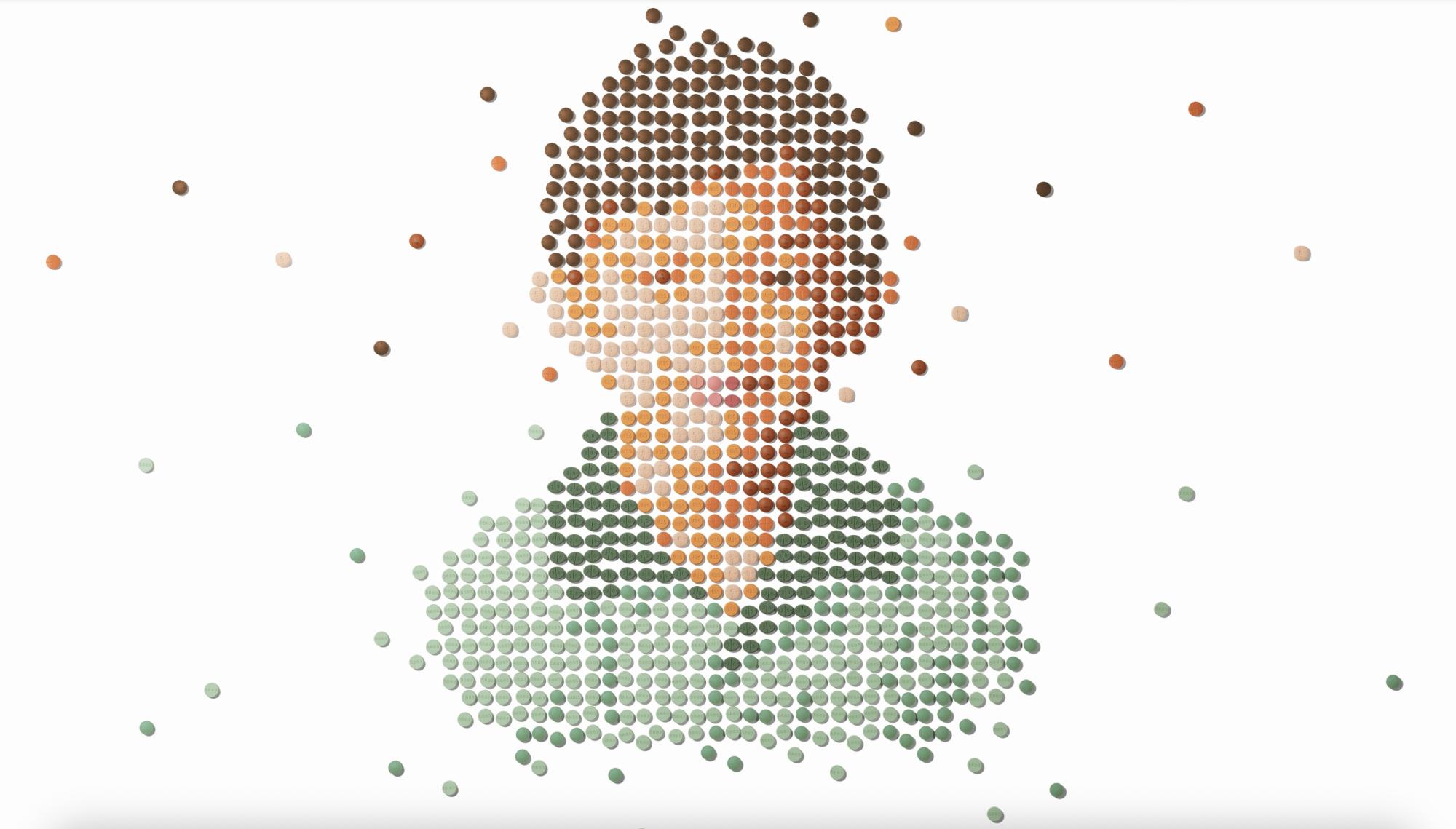
The number of American children diagnosed with A.D.H.D. more than doubled in the early 1990s, from fewer than a million patients in 1990 to more than two million in 1993, almost two-thirds of whom were prescribed Ritalin. Despite Ritalin's rapid growth, no one knew exactly how the medication worked or whether it really was the best way to treat children's attention issues. The diagnosis rate ... kept rising, hitting 5.5 percent of American children in 1997, then 6.6 percent in 2000. Last year, the Centers for Disease Control and Prevention reported that 11.4 percent of American children had been diagnosed with A.D.H.D., a record high. That figure includes 15.5 percent of American adolescents, 21 percent of 14-year-old boys and 23 percent of 17-year-old boys. From 2012 to 2022, the total number of prescriptions for stimulants to treat A.D.H.D. increased in the United States by 58 percent. For a significant percentage of people diagnosed with A.D.H.D., [clinical psychologist Joel] Nigg says, "there's nothing neurobiologically notable about them. Instead, their symptoms are situational or conditional. They may have had a hard life, or they have a lack of social support, or they're in the wrong niche in life." Amphetamines can be powerfully addictive, and last year, a study in The American Journal of Psychiatry found that even a medium-strength daily dose of Adderall more than tripled a patient's likelihood of developing psychosis or mania. [UC Irvine research psychologist James Swanson] acknowledges that medication can often produce short-term improvements in children's behavior. But, he says, "there is no long-term effect. The only long-term effect that I know of has been the suppression of growth."
Latest
Latest News
Each news summary is created according to strict standards. Here's how we do it.
Each summary is created using a consistent editorial procedure. The target length is approximately 16 lines of 11-point Arial text in a 650-pixel-wide column. Up to 25% of a summary may be set in bold to emphasize the most important ideas. Summaries are composed of verbatim excerpts presented in the same sequence as they appear in the original news source, with very minor editorial additions. Where material has been omitted between excerpts, the omission is indicated with ellipses (...). Any words added by an editor for clarity or context appear in [brackets]. Our original news editor was Fred Burks. Tod Fletcher edited most summaries from 2007 through 2014, and Mark Bailey has served as news editor since 2014.