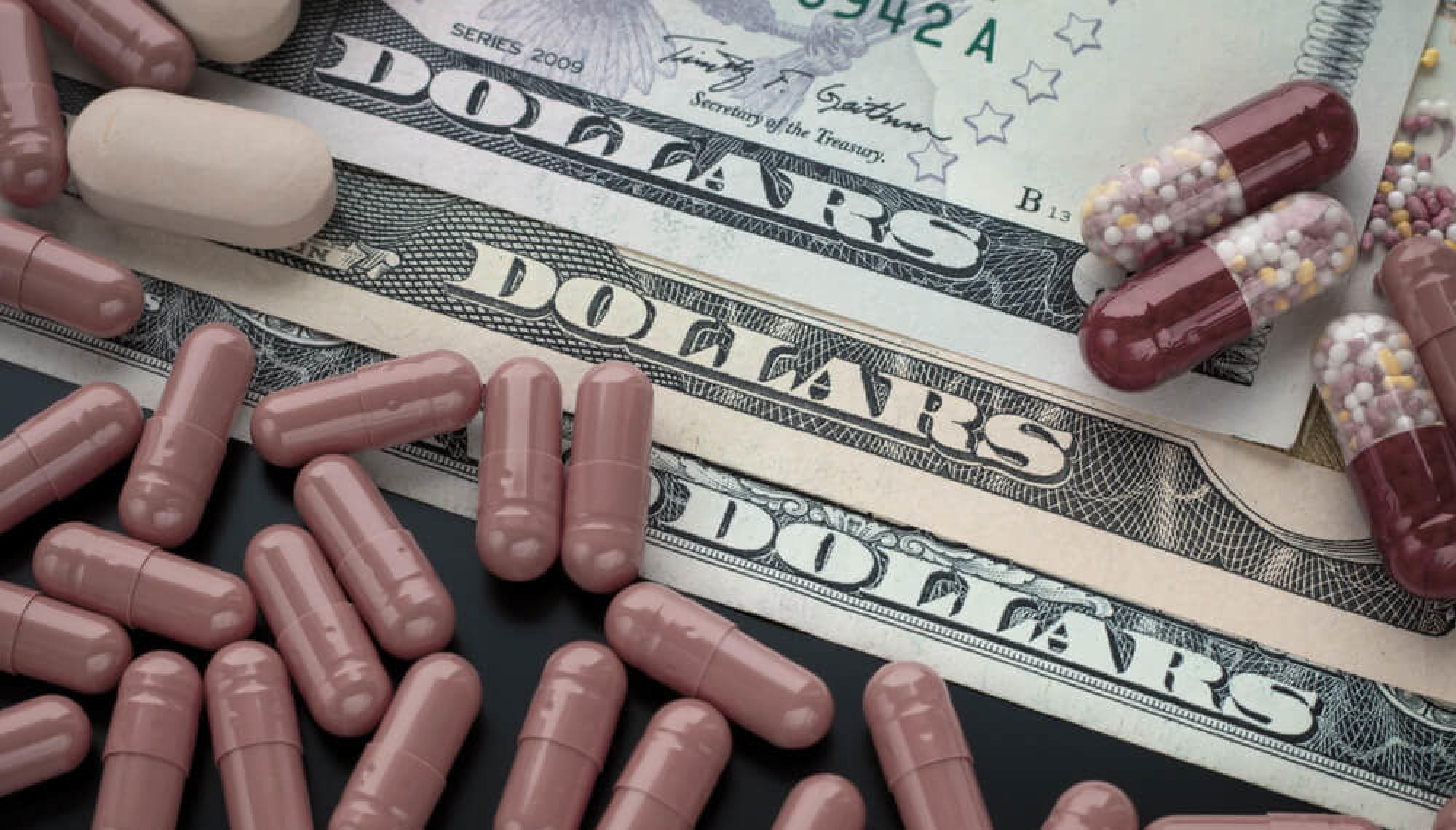
In December of 2002, Sharyl Attkisson, an Emmy-winning investigative reporter for CBS News, had an unsettling interview with smallpox expert Jonathan Tucker. In a post-9/11 world, with fears of terrorists using a long-eradicated disease like smallpox as a bioweapon, the US was preparing to bring back the smallpox inoculation program. But to Tucker, the very idea was "agonizing," writes Attkisson. Why? Because it involved "weighing the risk of a possible terrorist use of smallpox ... against the known risks of the vaccine," Tucker told the author. "A 'toxic' vaccine?" She writes. "Didn't the smallpox vaccine save the world?" But as she soon discovered, it had serious side effects, including a surprisingly high possibility of death. Attkisson witnessed firsthand how deadly the vaccine could be in April of 2003, when a colleague at NBC, journalist David Bloom, died from deep vein thrombosis while on assignment in Iraq. He'd also recently been vaccinated for smallpox, and ... thrombosis was a possible side effect of the inoculation. The majority of scientific studies are funded and even dictated by drug companies. "Studies that could stand to truly solve our most consequential health problems aren't done if they don't ultimately advance a profitable pill or injection," Attkisson writes. "These aren't necessarily drugs designed to make us well, but ones we'll 'need' for life," writes Attkisson. Some [drug companies] hire "ghostwriters" to author studies promoting a new drug, exaggerating benefits and downplaying risks, and then paying a doctor or medical expert to sign their name to it. "We exist largely in an artificial reality brought to you by the makers of the latest pill or injection," she writes. "It's a reality where invisible forces work daily to hype fears about certain illnesses, and exaggerate the supposed benefits of treatments and cures."
Latest
Latest News
Each news summary is created according to strict standards. Here's how we do it.
Each summary is created using a consistent editorial procedure. The target length is approximately 16 lines of 11-point Arial text in a 650-pixel-wide column. Up to 25% of a summary may be set in bold to emphasize the most important ideas. Summaries are composed of verbatim excerpts presented in the same sequence as they appear in the original news source, with very minor editorial additions. Where material has been omitted between excerpts, the omission is indicated with ellipses (...). Any words added by an editor for clarity or context appear in [brackets]. Our original news editor was Fred Burks. Tod Fletcher edited most summaries from 2007 through 2014, and Mark Bailey has served as news editor since 2014.