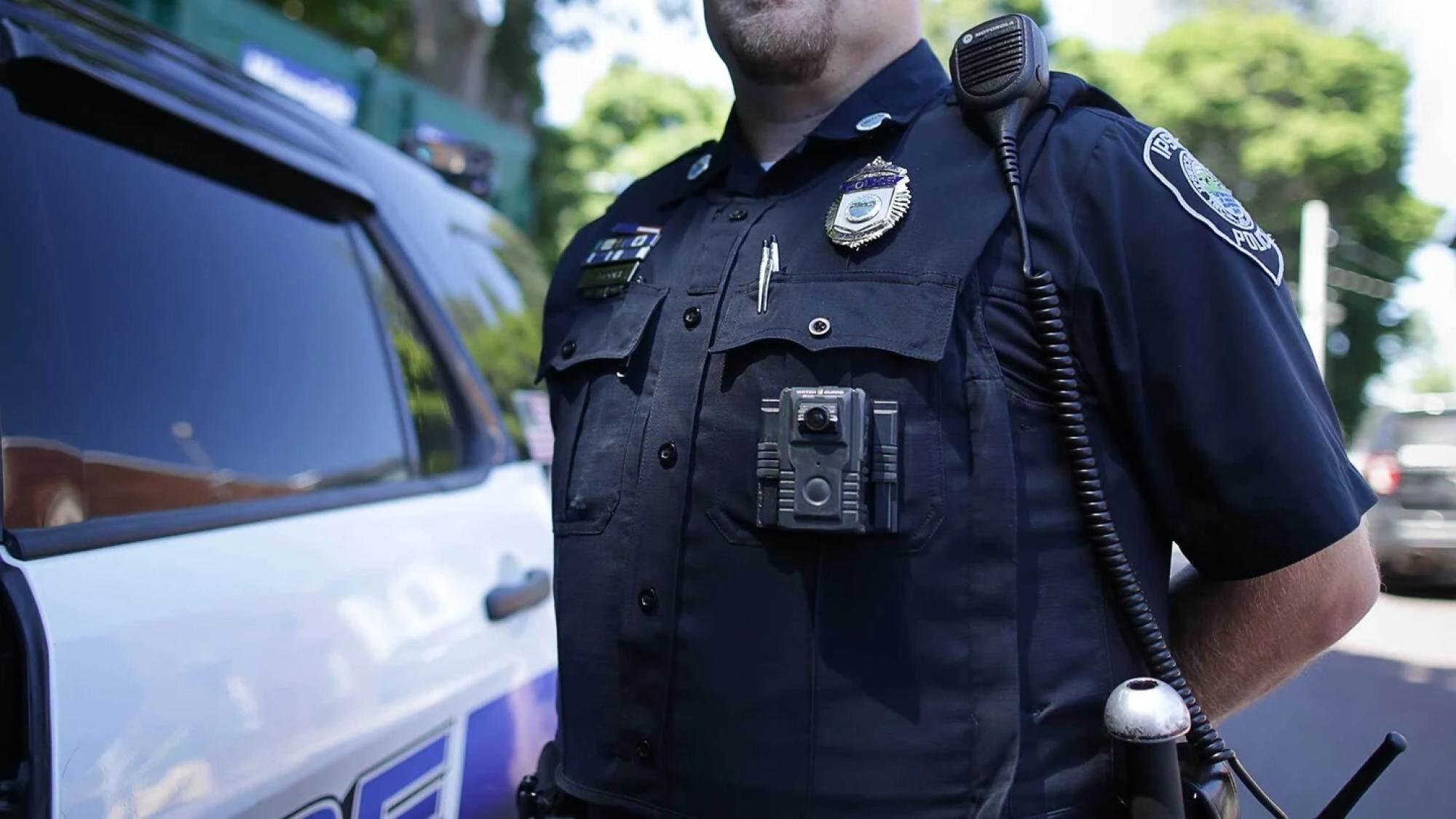
When body-worn cameras were introduced a decade ago, they seemed to hold the promise of a revolution. Once police officers knew they were being filmed, surely they would think twice about engaging in misconduct. And if they crossed the line, they would be held accountable: The public, no longer having to rely on official accounts, would know about wrongdoing. Police and civilian oversight agencies would be able to use footage to punish officers and improve training. In an outlay that would ultimately cost hundreds of millions of dollars, the technology represented the largest new investment in policing in a generation. It was a fix bound to fall far short. As policymakers rushed to equip the police with cameras, they often failed to grapple with a fundamental question: Who would control the footage? They defaulted to leaving police departments ... with the power to decide what is recorded, who can see it and when. Departments across the country have routinely delayed releasing footage, released only partial or redacted video or refused to release it at all. They have frequently failed to discipline or fire officers when body cameras document abuse. We conducted a review of civilians killed by police officers in June 2022, roughly a decade after the first body cameras were rolled out. We counted 79 killings in which there was body-worn-camera footage. A year and a half later, the police have released footage in just 33 cases or about 42%.
Latest
Latest News
Each news summary is created according to strict standards. Here's how we do it.
Each summary is created using a consistent editorial procedure. The target length is approximately 16 lines of 11-point Arial text in a 650-pixel-wide column. Up to 25% of a summary may be set in bold to emphasize the most important ideas. Summaries are composed of verbatim excerpts presented in the same sequence as they appear in the original news source, with very minor editorial additions. Where material has been omitted between excerpts, the omission is indicated with ellipses (...). Any words added by an editor for clarity or context appear in [brackets]. Our original news editor was Fred Burks. Tod Fletcher edited most summaries from 2007 through 2014, and Mark Bailey has served as news editor since 2014.