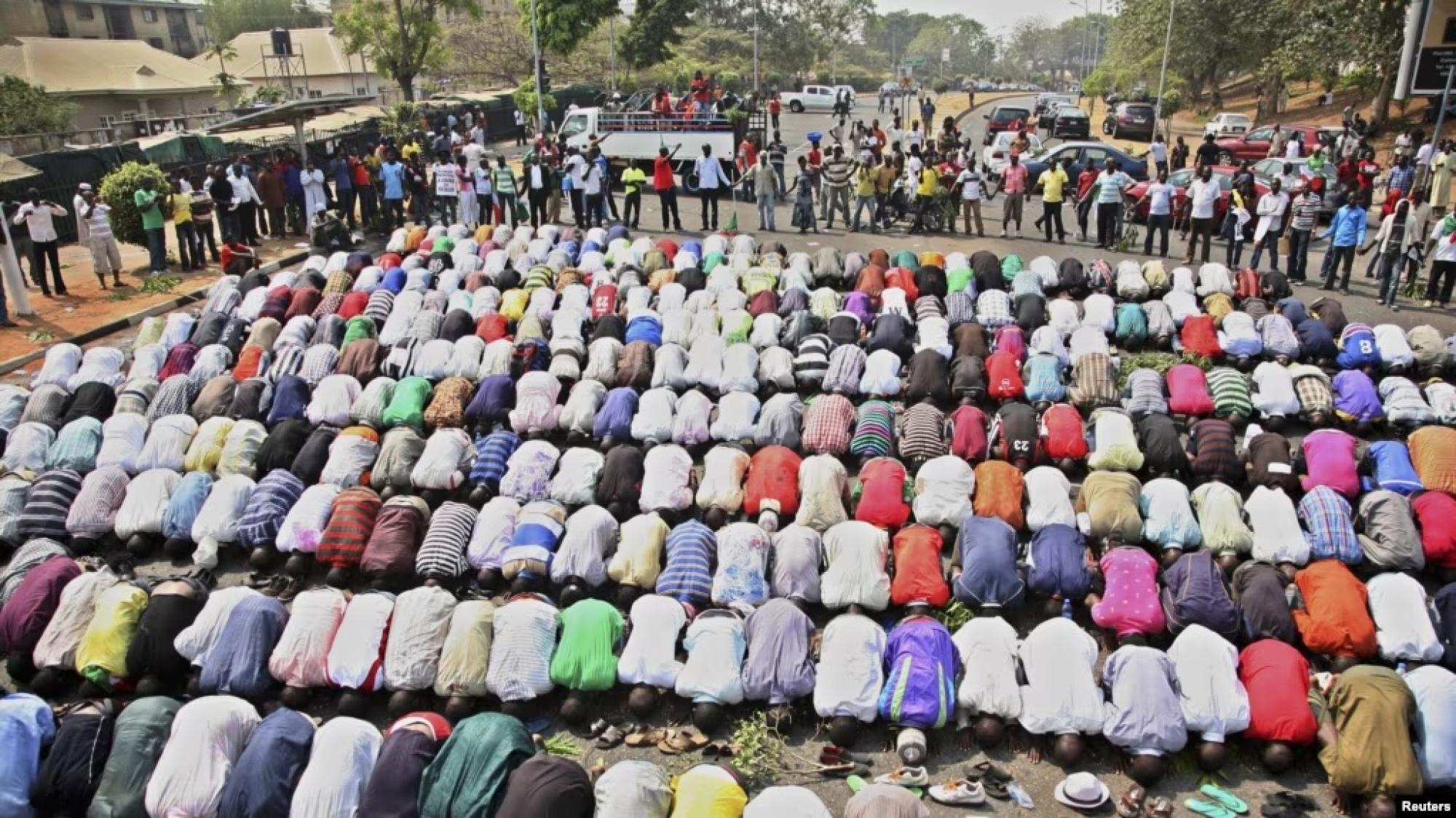
The West African nation of Ivory Coast ... has navigated through two civil wars so far in this century. And it struggles with widespread poverty. Despite all that, it stands out in Africa for its economic progress. Growth in its gross domestic product has lately been 6% to 7% a year. Inflation is low at about 4%. Most of all, it has seen a one-third decline in the percentage of Ivorians living below the poverty line. An underlying cause is an effort by religious and political leaders to build social trust. Interfaith initiatives are frequent. Organizations quickly address misinformation or grievances at the community level to avert wider conflagration. A Christian-Muslim dialogue in January called on "all citizens to promote messages of peace, fraternity, and unity." President Alassane Ouattara himself seems inclined toward pragmatic peacemaking. He took office amid violence that erupted after former President Laurent Gbagbo vehemently contested Mr. Ouattara's 2010 electoral victory. More than 3,000 people died in that civil war, fueled by politicization over a concept of nationality that excludes a large portion of the population. Mr. Ouattara's programs on infrastructure, jobs, and land tenure have targeted previously ignored northern regions susceptible to extremism. But now they're expanding. Other projects aim to serve and "reintegrate" youth. The nation's ranking in a global corruption index continues to improve. Regional and local elections have become more credible.
Latest
Latest News
Each news summary is created according to strict standards. Here's how we do it.
Each summary is created using a consistent editorial procedure. The target length is approximately 16 lines of 11-point Arial text in a 650-pixel-wide column. Up to 25% of a summary may be set in bold to emphasize the most important ideas. Summaries are composed of verbatim excerpts presented in the same sequence as they appear in the original news source, with very minor editorial additions. Where material has been omitted between excerpts, the omission is indicated with ellipses (...). Any words added by an editor for clarity or context appear in [brackets]. Our original news editor was Fred Burks. Tod Fletcher edited most summaries from 2007 through 2014, and Mark Bailey has served as news editor since 2014.