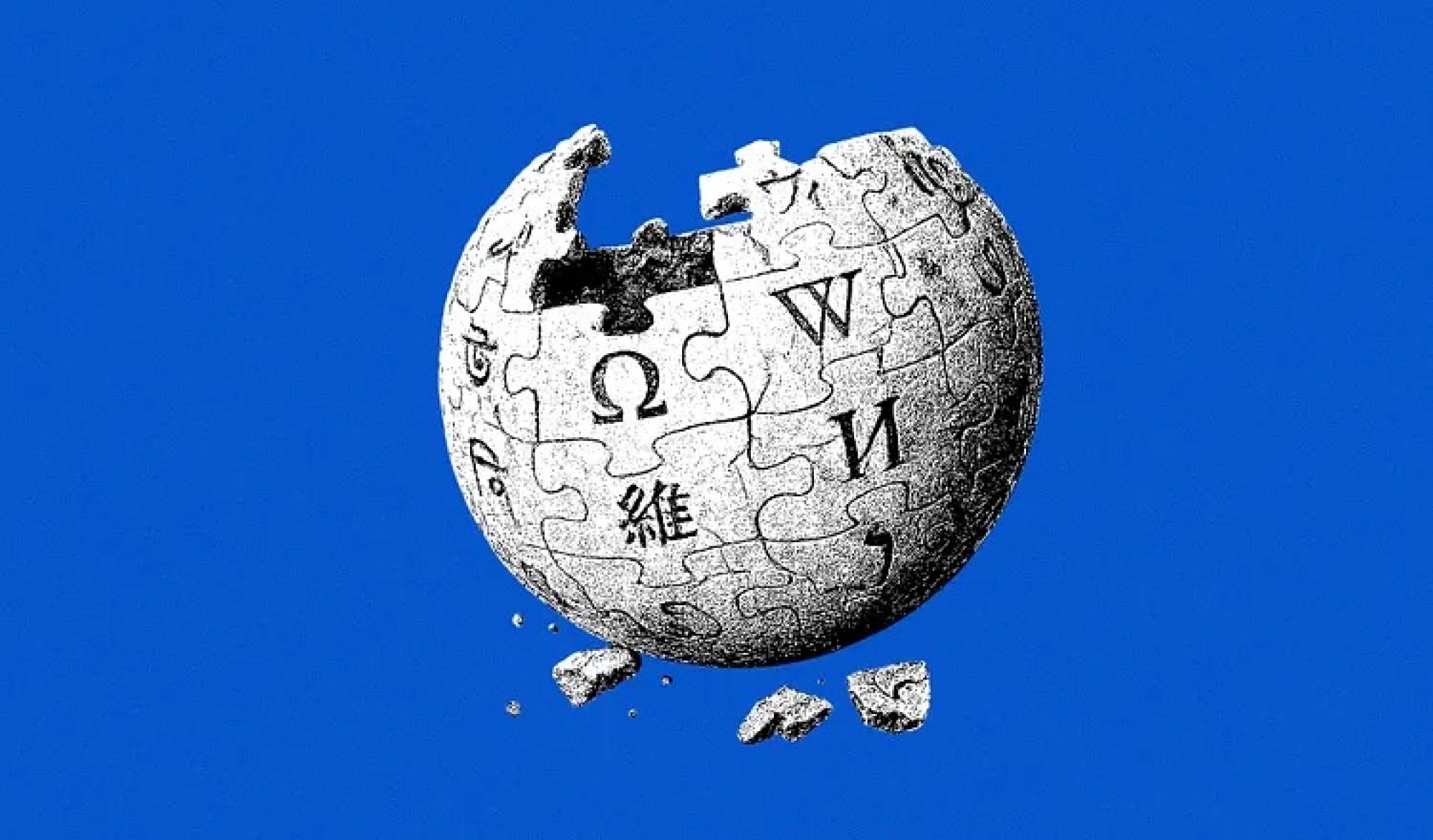
Wikipedia was founded on an idealistic mission to provide all the world's information for freeand to do so democratically. But, as we've reported before in these pages, the site has been hijacked by ideologues. One of the site's founders, Larry Sanger ... has been a vocal critic of what the site he built has become. At present, Wikipedians offer their own well-managed, curated perspective on global opinion. But any opinion outside of that perspective is an unwelcome "minority or fringe view""as global opinion usually is. They will be silenced, should they have the audacity to speak for themselves. To better record the chorus of worldwide voices, Wikipedia should permit multiple, competing articles per topic, written within explicitly declared frameworks, each aiming at neutrality within its own framework. Wikipedia's editorial work is self-managed by a group of volunteers. But things are not as democratic as they seem. There are 62 accounts with the most authority, who have the ability to install and remove administrators or check the IP addresses of problem users. But only 14.5 percent of these accounts reveal a full, real name. The vast majority of Wikipedia's top editorial leadership is anonymous. These accounts are the people who are ultimately responsible for Wikipedia's content. There is no legitimate, well-established way to ratify significant reforms. There have been few, if any, significant changes since 2006. Wikipedia needs an editorial legislature chosen by fair elections.
Latest
Latest News
Each news summary is created according to strict standards. Here's how we do it.
Each summary is created using a consistent editorial procedure. The target length is approximately 16 lines of 11-point Arial text in a 650-pixel-wide column. Up to 25% of a summary may be set in bold to emphasize the most important ideas. Summaries are composed of verbatim excerpts presented in the same sequence as they appear in the original news source, with very minor editorial additions. Where material has been omitted between excerpts, the omission is indicated with ellipses (...). Any words added by an editor for clarity or context appear in [brackets]. Our original news editor was Fred Burks. Tod Fletcher edited most summaries from 2007 through 2014, and Mark Bailey has served as news editor since 2014.