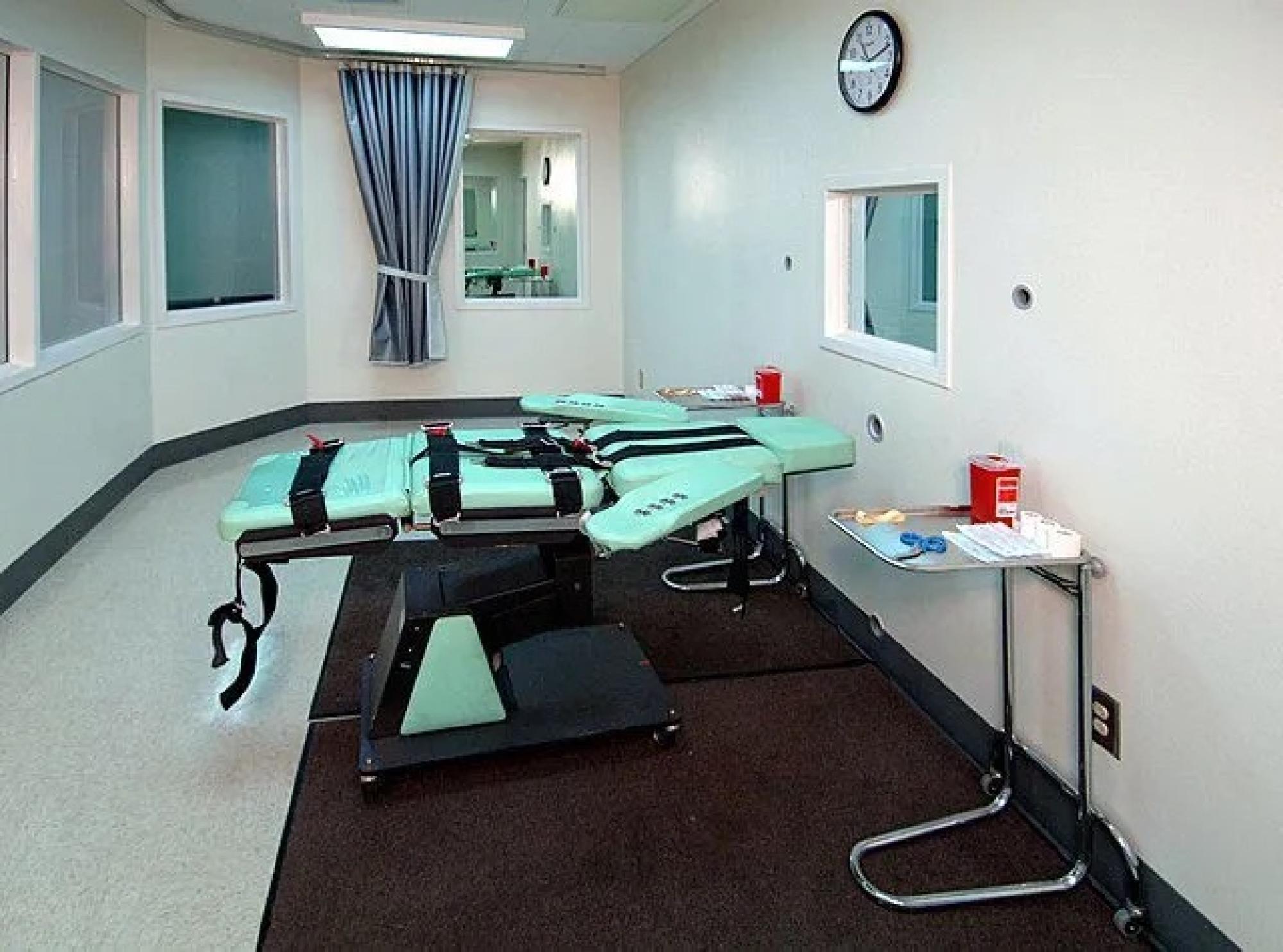
Since 1973, at least 194 people have been freed from death row after evidence of innocence revealed that they had been wrongfully convicted. That's almost one person exonerated for every ten who've been executed. Wrongful convictions rob innocent people of decades of their lives, waste tax dollars, and re-traumatize the victim's family, while the people responsible remain unaccountable. Contrary to popular belief, the appeals process is not designed to catch cases of innocence. It is simply to determine whether the original trial was conducted properly. Most exonerations came only because of the extraordinary efforts of people working outside the system pro bono lawyers, family members, even students. Wrongfully convicted people have spent up to 33 years on death row ... before the truth came to light. Any effort to streamline the death penalty process or cut appeals will only increase the risk that an innocent person is executed. Frank Lee Smith was sentenced to death in Florida on the testimony of a single witness. Four years later, the same witness saw a photo of a different man and realized she had made a mistake. DNA tests later confirmed that Smith was innocent, but it was too late. He had died in prison. Cameron Todd Willingham was executed in Texas in 2004 for setting fire to his home, killing his three children. Experts now say that the arson theories used in the investigation are scientifically invalid. Willingham may very well have been executed for an accidental fire.
Latest
Latest News
Each news summary is created according to strict standards. Here's how we do it.
Each summary is created using a consistent editorial procedure. The target length is approximately 16 lines of 11-point Arial text in a 650-pixel-wide column. Up to 25% of a summary may be set in bold to emphasize the most important ideas. Summaries are composed of verbatim excerpts presented in the same sequence as they appear in the original news source, with very minor editorial additions. Where material has been omitted between excerpts, the omission is indicated with ellipses (...). Any words added by an editor for clarity or context appear in [brackets]. Our original news editor was Fred Burks. Tod Fletcher edited most summaries from 2007 through 2014, and Mark Bailey has served as news editor since 2014.