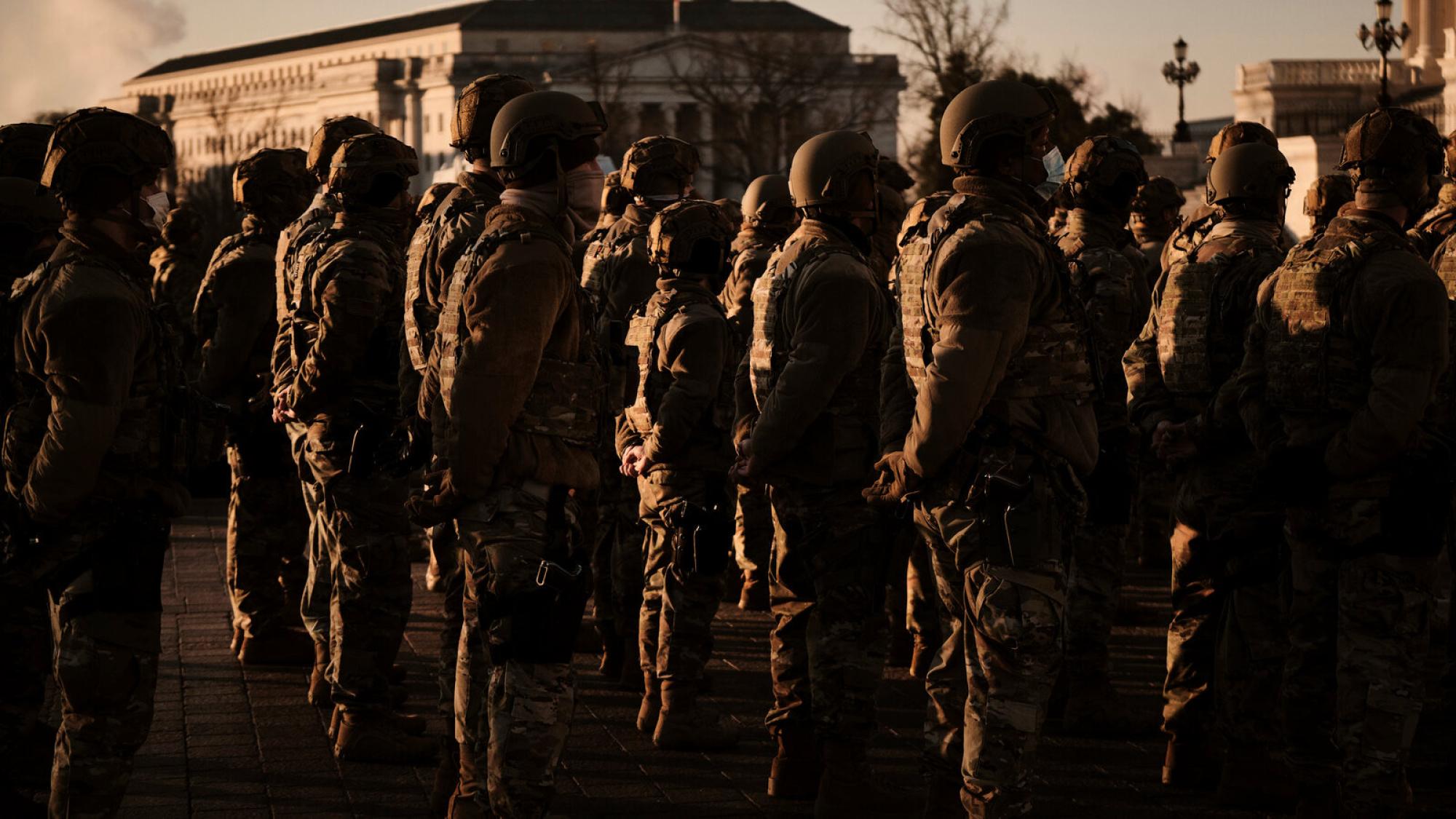
The largest undercover force the world has ever known is the one created by the Pentagon over the past decade. Some 60,000 people now belong to this secret army, many working under masked identities and in low profile, all part of a broad program called signature reduction." The force, more than ten times the size of the clandestine elements of the CIA, carries out domestic and foreign assignments ... sometimes hiding in private businesses and consultancies. The newest and fastest growing group is the clandestine army that never leaves their keyboards. These are the cutting-edge cyber fighters and intelligence collectors who assume false personas online ... or even engage in campaigns to influence and manipulate social media. Hundreds work in and for the NSA, but over the past five years, every military intelligence and special operations unit has developed some kind of "web" operations cell that both collects intelligence and tends to the operational security of its very activities. No one knows the program's total size, and the explosion of signature reduction has never been examined for its impact on military policies and culture. Congress has never held a hearing on the subject. And yet the military developing this gigantic clandestine force challenges U.S. laws, the Geneva Conventions, the code of military conduct and basic accountability. A major task of signature reduction is keeping all of the organizations and people, even the automobiles and aircraft involved in the clandestine operations, masked. The signature reduction industry also works to figure out ways of spoofing and defeating everything from fingerprinting and facial recognition at border crossings, to ensuring that undercover operatives can enter and operate in the United States, manipulating official records to ensure that false identities match up.
Latest
Latest News
Each news summary is created according to strict standards. Here's how we do it.
Each summary is created using a consistent editorial procedure. The target length is approximately 16 lines of 11-point Arial text in a 650-pixel-wide column. Up to 25% of a summary may be set in bold to emphasize the most important ideas. Summaries are composed of verbatim excerpts presented in the same sequence as they appear in the original news source, with very minor editorial additions. Where material has been omitted between excerpts, the omission is indicated with ellipses (...). Any words added by an editor for clarity or context appear in [brackets]. Our original news editor was Fred Burks. Tod Fletcher edited most summaries from 2007 through 2014, and Mark Bailey has served as news editor since 2014.