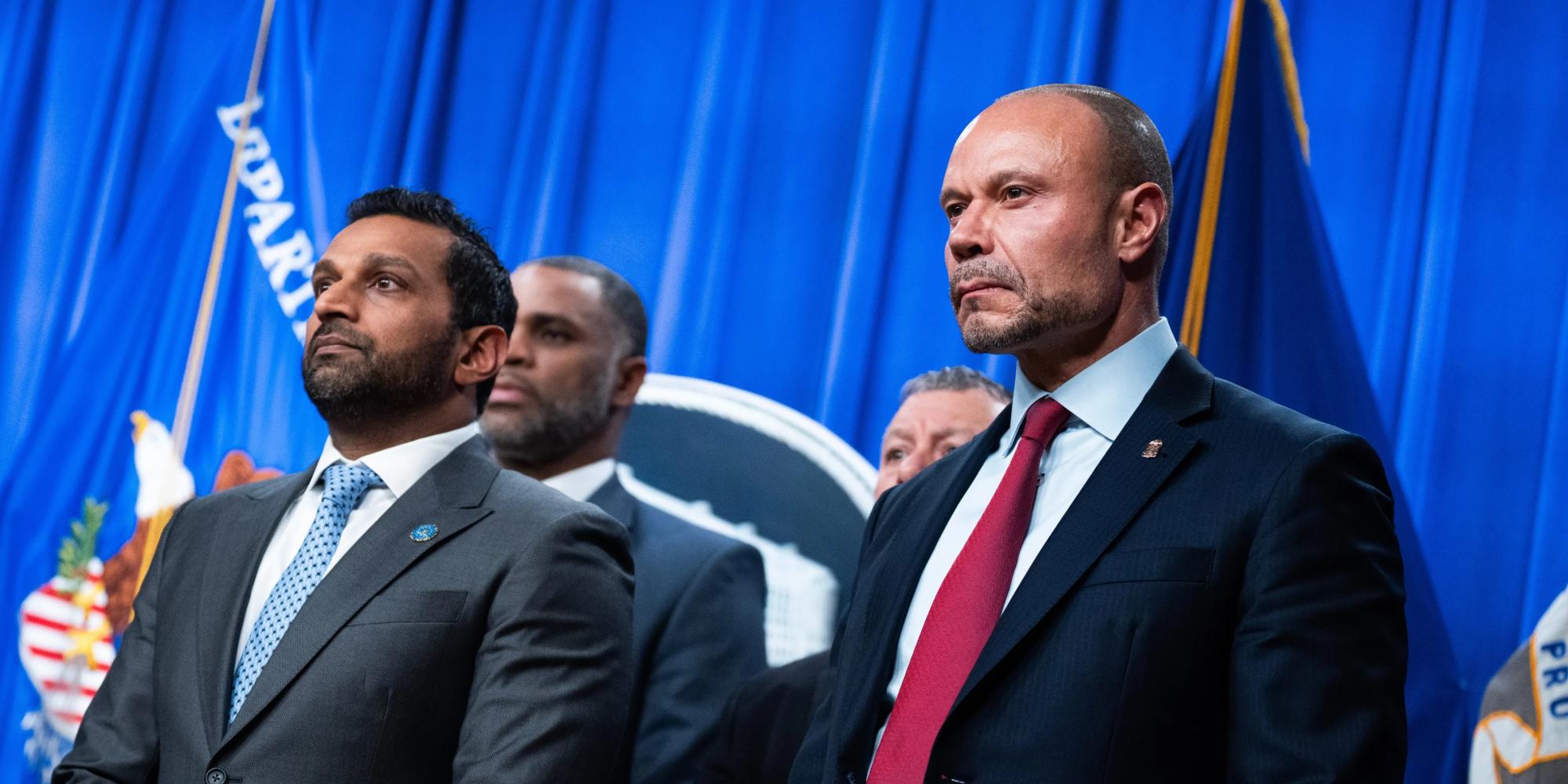
An FBI investigation into an alleged terror plot in Southern California bears the familiar hallmarks of the bureau's long-running use of informants and undercover agents to advance plots that might not otherwise have materialized. The limited details available suggest an investigation that leaned heavily on a paid informant and at least one undercover FBI agent [who] were involved in nearly every stage of the case, including discussions of operational security and transporting members of the group to the site in the Mojave Desert where federal agents ultimately made the arrests. It is still unclear how the FBI first identified the group or how long the informant had been embedded before the bomb plot emerged a period defense attorneys say is central to any serious examination of entrapment, whereby defendants are coerced into crimes they would not otherwise commit, a frequent criticism of stings involving paid informants and undercover agents. Despite comments from Attorney General Pam Bondi, Patel, and others characterizing the Turtle Island Liberation Front as a coherent group ... there's little evidence that any group by that name exists beyond a small digital footprint and a handful of attempts at organizing community events, including a self-defense workshop and a punk rock benefit show. A previous sting operation [involved] the so-called Newburgh Four, in which an aggressive and prolific FBI informant steered four poor Black men into a scheme to bomb synagogues and attack an Air Force base. Years later, a federal judge granted the men compassionate release, describing the case as an "FBI-orchestrated conspiracy."
Latest
Latest News
Each news summary is created according to strict standards. Here's how we do it.
Each summary is created using a consistent editorial procedure. The target length is approximately 16 lines of 11-point Arial text in a 650-pixel-wide column. Up to 25% of a summary may be set in bold to emphasize the most important ideas. Summaries are composed of verbatim excerpts presented in the same sequence as they appear in the original news source, with very minor editorial additions. Where material has been omitted between excerpts, the omission is indicated with ellipses (...). Any words added by an editor for clarity or context appear in [brackets]. Our original news editor was Fred Burks. Tod Fletcher edited most summaries from 2007 through 2014, and Mark Bailey has served as news editor since 2014.