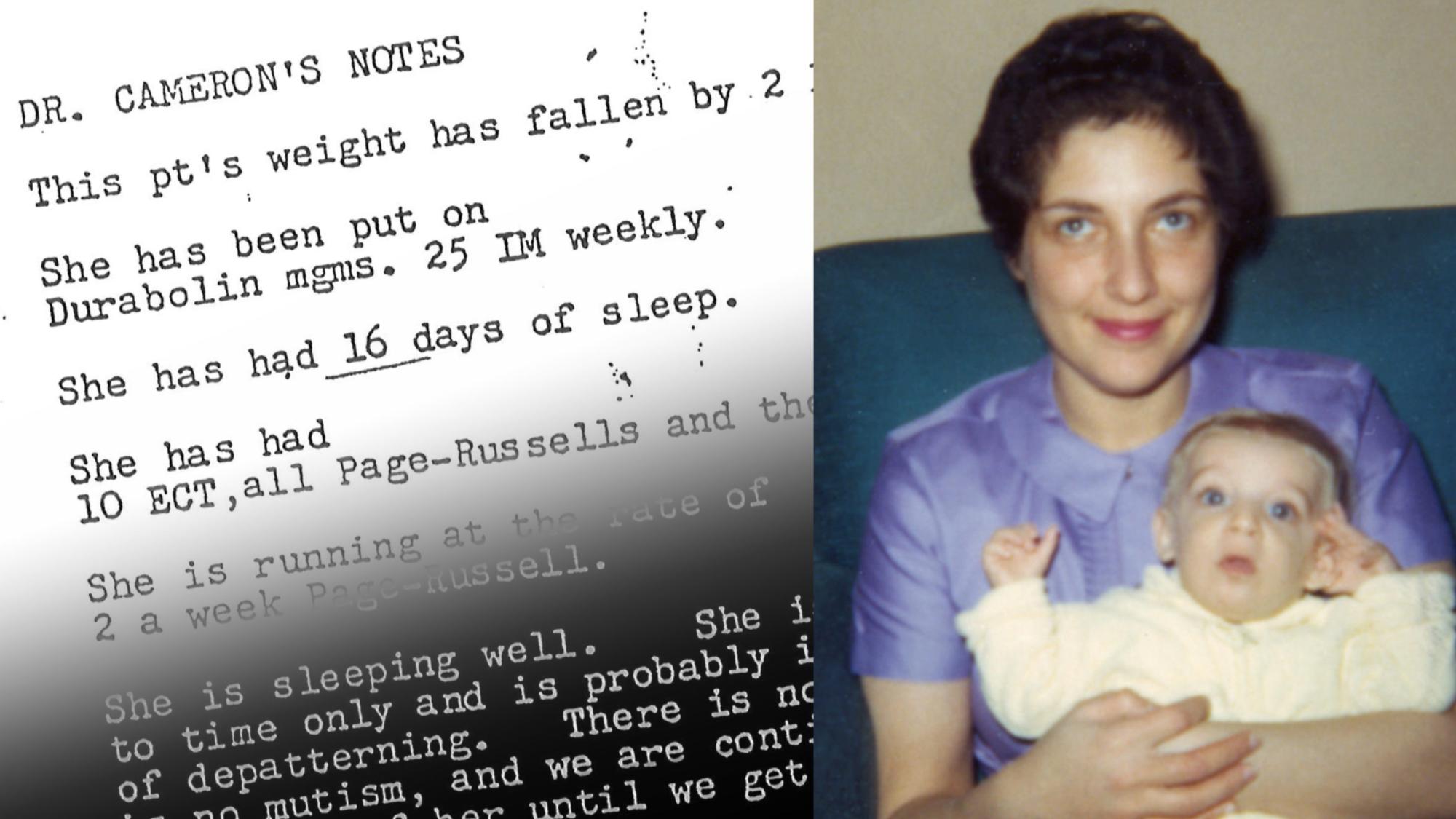
It may be difficult for Americans to comprehend the frame of mind of the men who ... started the Central Intelligence Agency's effort to manipulate human behavior. The C.I.A. leaders were certain the Communists had embarked on a campaign to control men's minds and they were determined to find a defense, setting out in earnest the next year1950with Project Bluebird, which evolved into Project Artichoke, then became MK-ULTRA - MK-DELTA. With each code name change, they broadened their sweep, until there remained virtually no avenue of human behavior control they were not exploring. There was an urgent need," the C.I.A. and other intelligence agencies argued, to develop "effective and practical techniques" to "render an individual subservient to an imposed will or control." The C.I.A. men ... acknowledged among themselves that much of what they were setting out to do was "unethical," bordered on the illegal and would be repugnant to the American people. "Precautions must be taken," one agency official wrote in an internal memo, "not only to protect the operation from exposure to enemy forces, but also to conceal these activities from the American public in general." They wanted to be able to get away with murder without leaving a trace. In attempts to develop ways to administer lethal and mind-altering drugs surreptitiously through clothing as thick as a leather jacket, they tried out small spray guns and pencil-like injectors. They studied the writing of the psychologist who worked with Adolf Hitler, wondered about the use of the "occult" and of "black psychiatry."
Latest
Latest News
Each news summary is created according to strict standards. Here's how we do it.
Each summary is created using a consistent editorial procedure. The target length is approximately 16 lines of 11-point Arial text in a 650-pixel-wide column. Up to 25% of a summary may be set in bold to emphasize the most important ideas. Summaries are composed of verbatim excerpts presented in the same sequence as they appear in the original news source, with very minor editorial additions. Where material has been omitted between excerpts, the omission is indicated with ellipses (...). Any words added by an editor for clarity or context appear in [brackets]. Our original news editor was Fred Burks. Tod Fletcher edited most summaries from 2007 through 2014, and Mark Bailey has served as news editor since 2014.