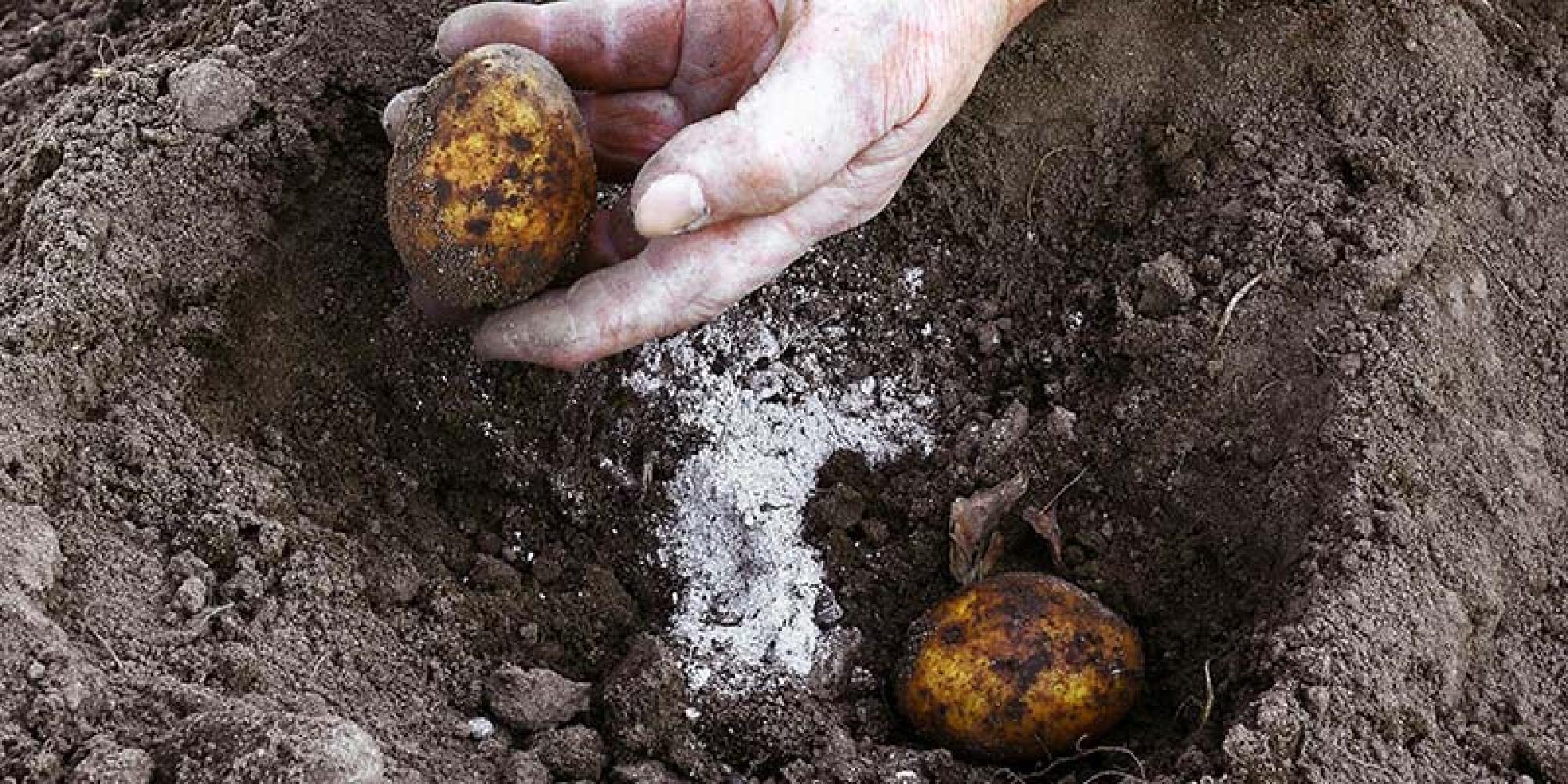
More than 90% of samples of a dozen fruits and vegetables tested positive for potentially harmful pesticide residues, according to the 2025 Shopper's Guide to Pesticides in Produce. Dubbed the "Dirty Dozen," the list is compiled from the latest government testing data on nonorganic produce by the Environmental Working Group, or EWG, a health advocacy organization that has produced the annual report since 2004. Spinach topped the list, with more pesticide residue by weight than any other produce tested, followed by strawberries, kale (along with mustard greens and collards), grapes, peaches, cherries, nectarines, pears, apples, blackberries, blueberries and potatoes. The annual report is [meant] to provide tools for decisions on whether to buy organic for the fruits or vegetables their families consume the most, said Alexis Temkin, EWG's vice president of science. "One of the things that a lot of peer-reviewed studies have shown over and over again (is) that when people switch to an organic diet from a conventional diet, you can really see measurable levels in the reduction of pesticide levels in the urine." EWG also creates an annual "Clean Fifteen" " a list of conventional produce with the least amount of pesticide residue. Pineapple was the least contaminated produce tested, followed by sweet corn (fresh and frozen), avocados, papaya, onions, frozen sweet peas, asparagus, cabbage, watermelon, cauliflower, bananas, mangos, carrots, mushrooms and kiwi.
Latest
Latest News
Each news summary is created according to strict standards. Here's how we do it.
Each summary is created using a consistent editorial procedure. The target length is approximately 16 lines of 11-point Arial text in a 650-pixel-wide column. Up to 25% of a summary may be set in bold to emphasize the most important ideas. Summaries are composed of verbatim excerpts presented in the same sequence as they appear in the original news source, with very minor editorial additions. Where material has been omitted between excerpts, the omission is indicated with ellipses (...). Any words added by an editor for clarity or context appear in [brackets]. Our original news editor was Fred Burks. Tod Fletcher edited most summaries from 2007 through 2014, and Mark Bailey has served as news editor since 2014.