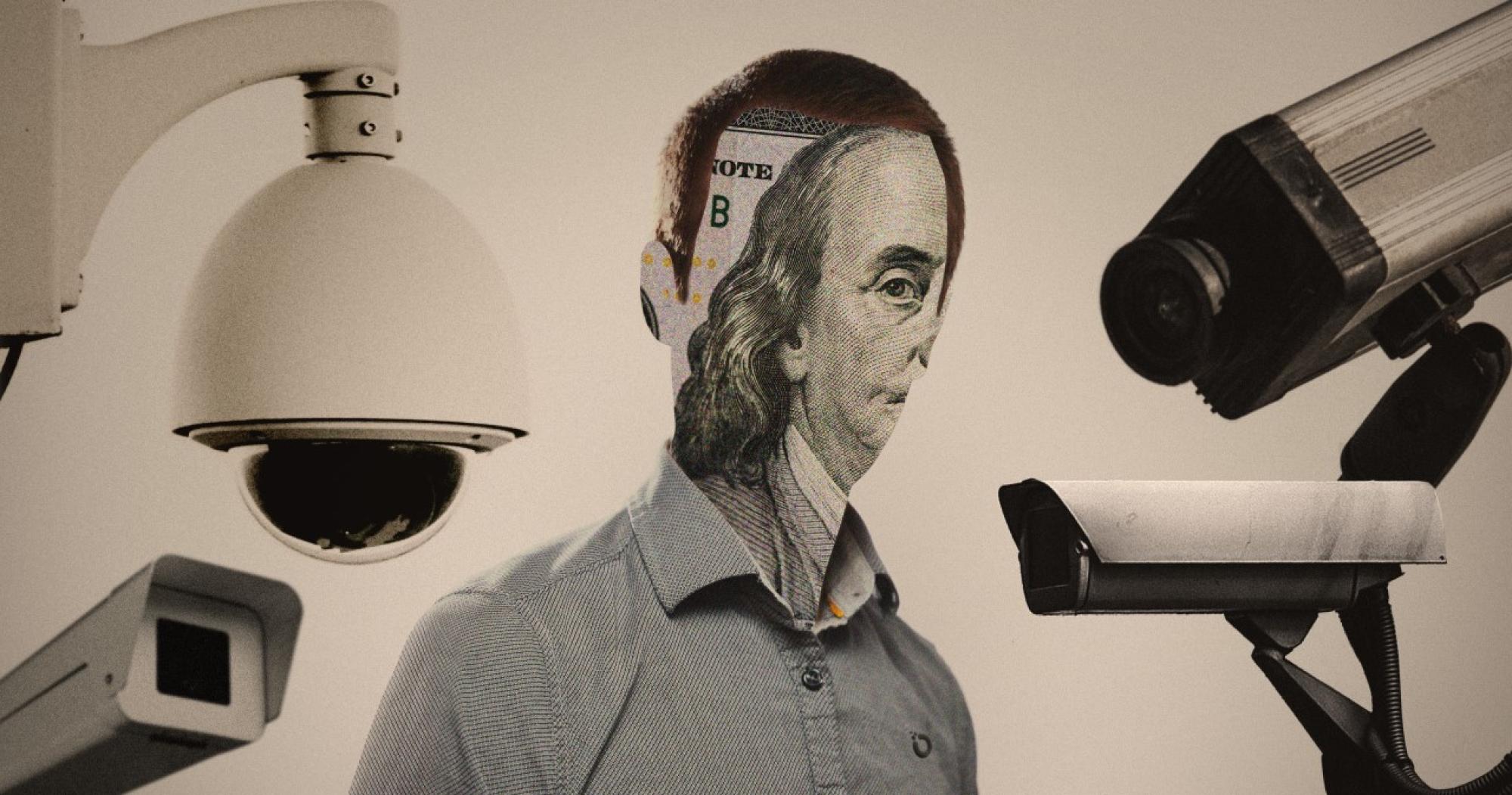
Each time you see a targeted ad, your personal information is exposed to thousands of advertisers and data brokers through a process called "real-time bidding" (RTB). This process does more than deliver ads"it fuels government surveillance, poses national security risks, and gives data brokers easy access to your online activity. RTB might be the most privacy-invasive surveillance system that you've never heard of. The moment you visit a website or app with ad space, it asks a company that runs ad auctions to determine which ads it will display for you. This involves sending information about you and the content you're viewing to the ad auction company. The ad auction company packages all the information they can gather about you into a "bid request" and broadcasts it to thousands of potential advertisers. The bid request may contain personal information like your unique advertising ID, location, IP address, device details, interests, and demographic information. The information in bid requests is called "bidstream data" and can easily be linked to real people. Advertisers, and their ad buying platforms, can store the personal data in the bid request regardless of whether or not they bid on ad space. RTB is regularly exploited for government surveillance. The privacy and security dangers of RTB are inherent to its design. The process broadcasts torrents of our personal data to thousands of companies, hundreds of times per day.
Latest
Latest News
Each news summary is created according to strict standards. Here's how we do it.
Each summary is created using a consistent editorial procedure. The target length is approximately 16 lines of 11-point Arial text in a 650-pixel-wide column. Up to 25% of a summary may be set in bold to emphasize the most important ideas. Summaries are composed of verbatim excerpts presented in the same sequence as they appear in the original news source, with very minor editorial additions. Where material has been omitted between excerpts, the omission is indicated with ellipses (...). Any words added by an editor for clarity or context appear in [brackets]. Our original news editor was Fred Burks. Tod Fletcher edited most summaries from 2007 through 2014, and Mark Bailey has served as news editor since 2014.