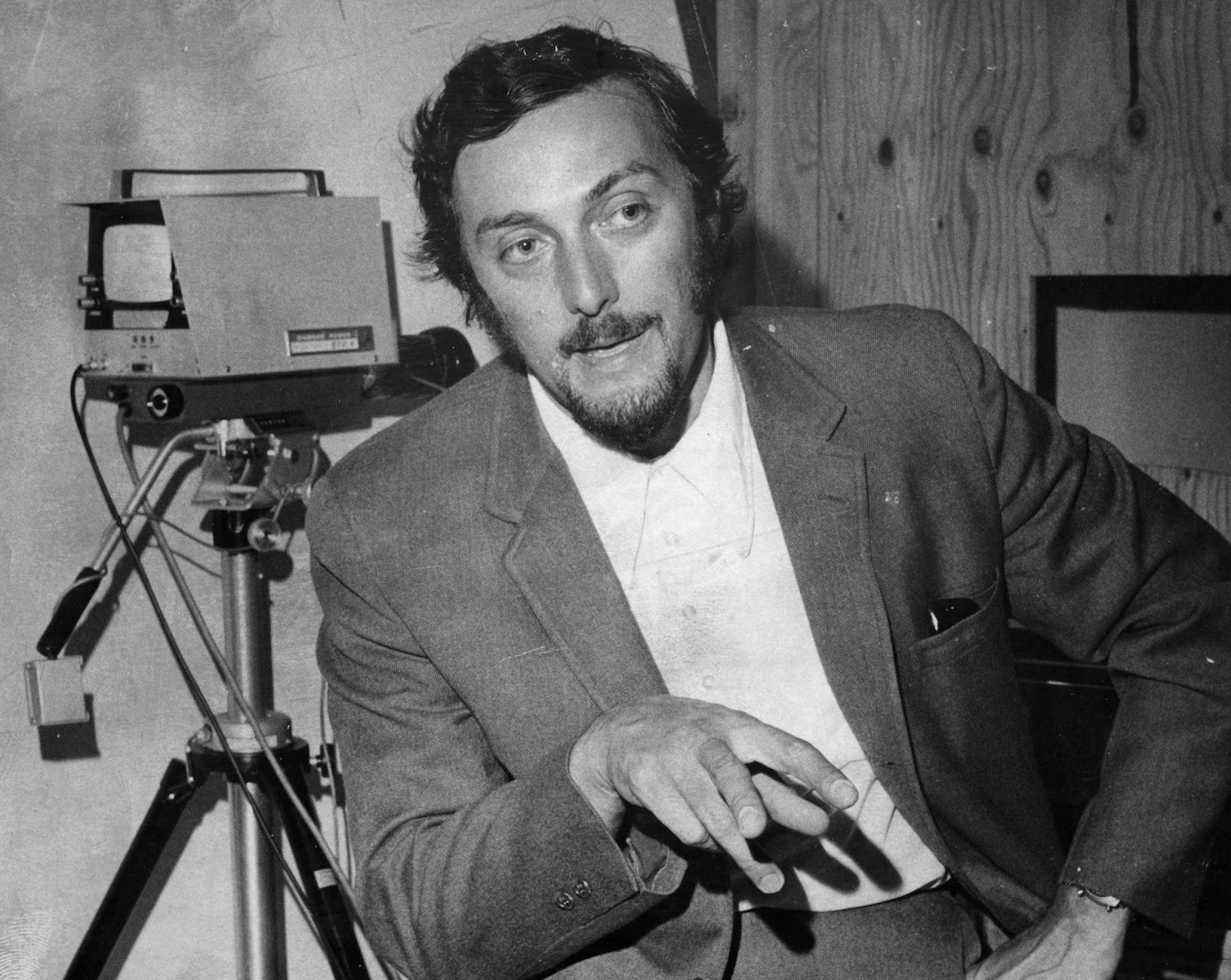
Philip G. Zimbardo, a Stanford University social psychologist whose aborted 1971 experiment, employing college students to play prison guards and inmates, became one of the most controversial episodes in modern psychology and yielded disturbing insights into the effect of stress on human behavior, died Oct. 14. He was 91. For his prison experiment, conducted over a school break, Dr. Zimbardo recruited 24 male students, screening them to ensure that they had no history of crime or violence and that they were emotionally stable. He randomly assigned half to be guards and half to be prisoners. The guards were instructed not to physically harm the prisoners but to otherwise maintain control as they saw fit. Wearing uniforms and sunglasses, they forced the prisoners to follow strict rules, and punishments for violators included solitary confinement in a converted closet. The prisoners ... were referred to by numbers. After an attempted revolt on the second day, the guards began asserting their authority by turning fire extinguishers on the prisoners and demanding that they ... strip naked. Dr. Zimbardo [wrote] that the experiment was "a cautionary tale" about what can happen when "we underestimate the extent to which the power of social roles and external pressures can influence our actions." He saw parallels between the guards' behavior during his exercise and the conduct of U.S. soldiers who had abused prisoners at the Abu Ghraib prison.
Latest
Latest News
Each news summary is created according to strict standards. Here's how we do it.
Each summary is created using a consistent editorial procedure. The target length is approximately 16 lines of 11-point Arial text in a 650-pixel-wide column. Up to 25% of a summary may be set in bold to emphasize the most important ideas. Summaries are composed of verbatim excerpts presented in the same sequence as they appear in the original news source, with very minor editorial additions. Where material has been omitted between excerpts, the omission is indicated with ellipses (...). Any words added by an editor for clarity or context appear in [brackets]. Our original news editor was Fred Burks. Tod Fletcher edited most summaries from 2007 through 2014, and Mark Bailey has served as news editor since 2014.