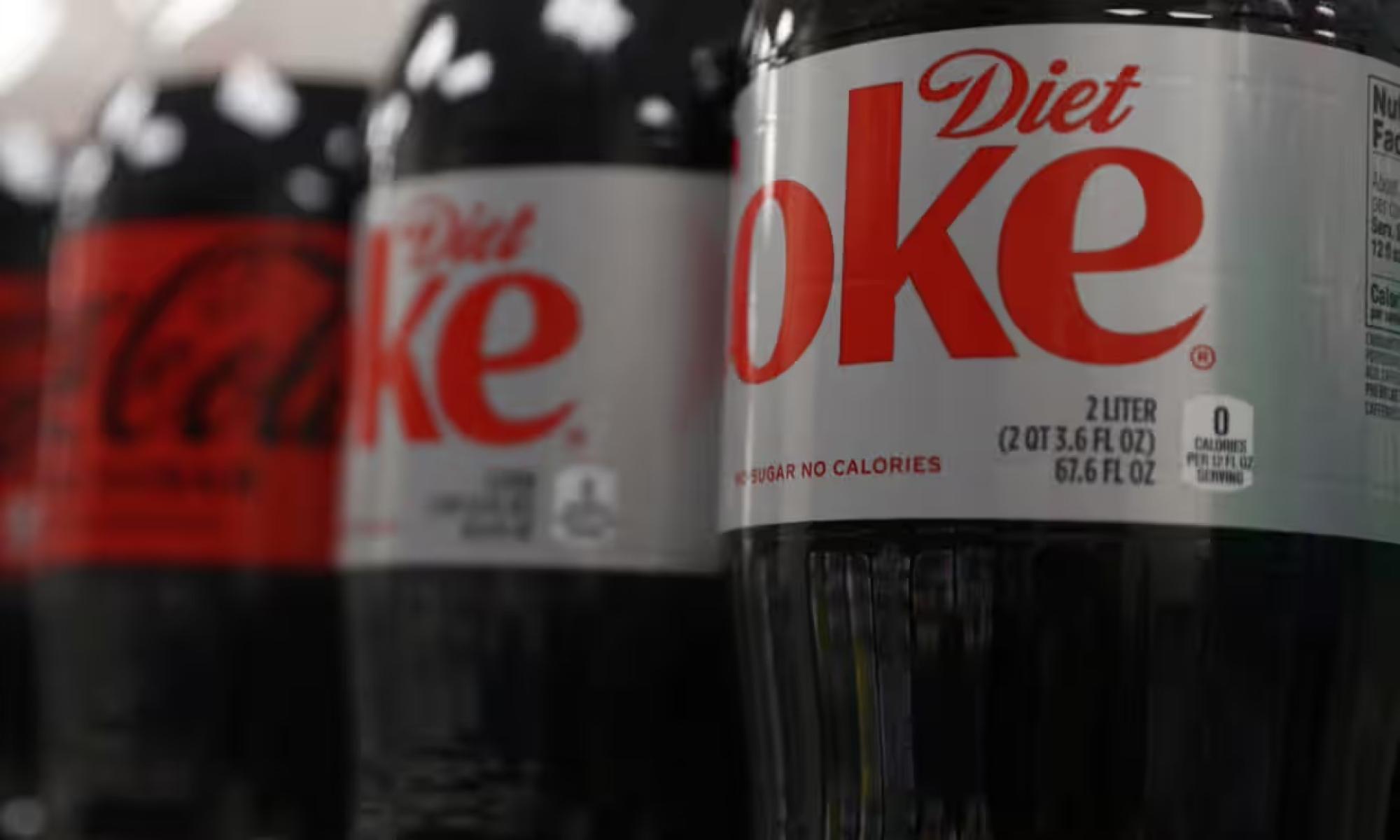
In May, the World Health Organization issued an alarming report that declared widely used non-sugar sweeteners like aspartame are likely ineffective for weight loss, and long term consumption may increase the risk of diabetes, cardiovascular diseases and mortality in adults. A few months later, WHO declared aspartame, a key ingredient in Diet Coke, to be a "possible carcinogen", then quickly issued a third report that seemed to contradict its previous findings " people could continue consuming the product at levels determined to be safe decades ago. That contradiction stems from beverage industry corruption of the review process by consultants tied to an alleged Coca-Cola front group, the public health advocacy group US Right to Know said in a recent report. It uncovered eight WHO panelists involved with assessing safe levels of aspartame consumption who are beverage industry consultants who currently or previously worked with the alleged Coke front group, International Life Sciences Institute (Ilsi). Aspartame was first approved for use in the US in the early 1980s over the objection of some researchers who warned of potential health risks. In recent years, as evidence of health threats has mounted, industry has ramped up a PR campaign to downplay the issues. Ilsi representatives have sought to shape food policy worldwide. [Gary Ruskin, US Right to Know's executive director], characterized the aspartame controversy as a "masterpiece in how Ilsi worms its way into these regulatory processes".
Latest
Latest News
Each news summary is created according to strict standards. Here's how we do it.
Each summary is created using a consistent editorial procedure. The target length is approximately 16 lines of 11-point Arial text in a 650-pixel-wide column. Up to 25% of a summary may be set in bold to emphasize the most important ideas. Summaries are composed of verbatim excerpts presented in the same sequence as they appear in the original news source, with very minor editorial additions. Where material has been omitted between excerpts, the omission is indicated with ellipses (...). Any words added by an editor for clarity or context appear in [brackets]. Our original news editor was Fred Burks. Tod Fletcher edited most summaries from 2007 through 2014, and Mark Bailey has served as news editor since 2014.