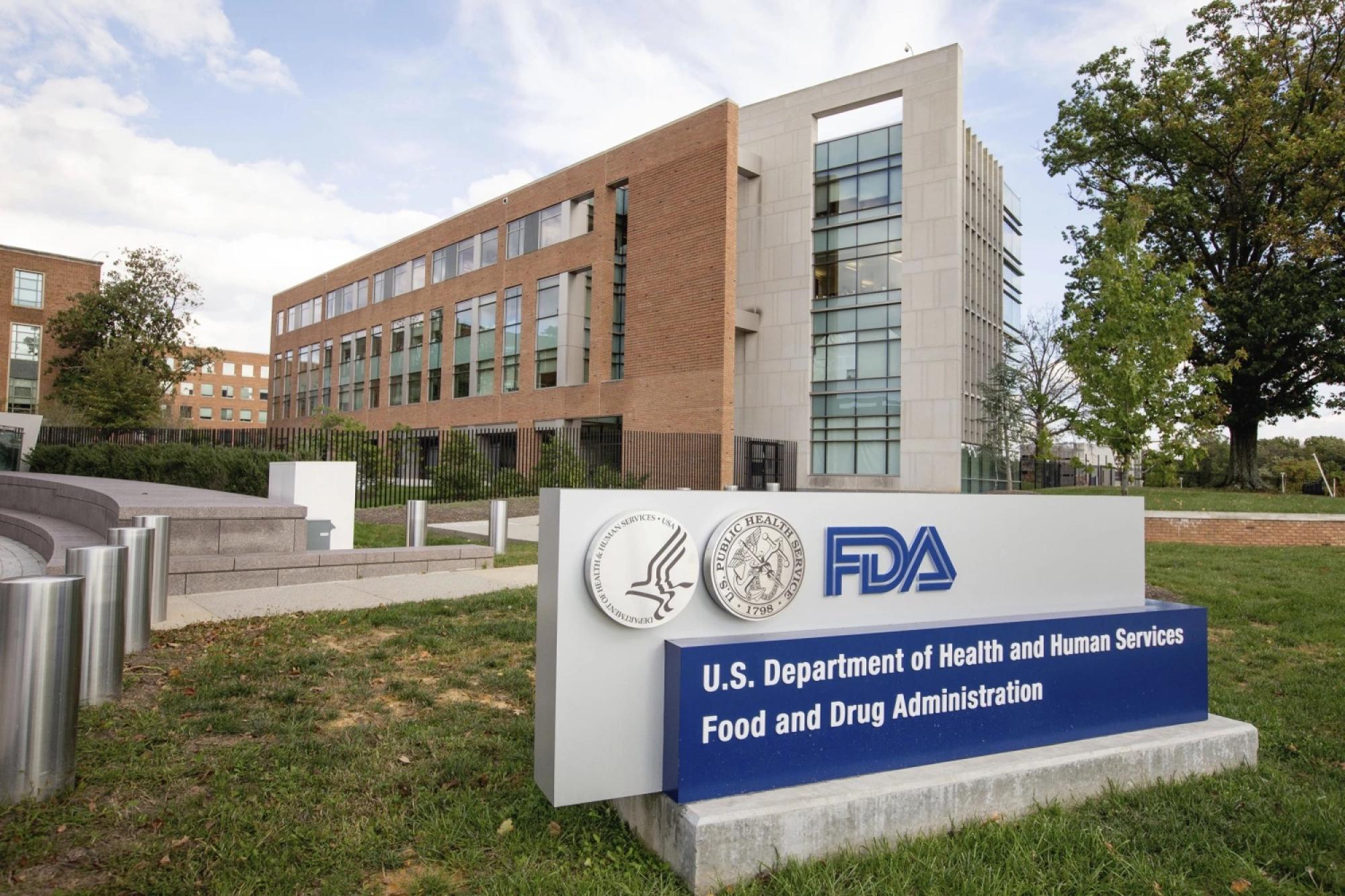
During his final three years at the US Food and Drug Administration the physician scientist Doran Fink's work focused on reviewing covid-19 vaccines. But a decade after joining the agency Fink had accepted a job with Moderna, the covid vaccine manufacturer. As he left for the private sector, the FDA's ethics programme staff emailed him guidelines on post-employment restrictions, "tailored to your situation." The email, obtained by The BMJ under a freedom of information request, explained that, although US law prohibits a variety of types of lobbying contact, "they do not prohibit the former employee from other activities, including working 'behind the scenes.'" The legal ability to work "behind the scenes" is enshrined in federal regulations and highlights a "critical, critical loophole" in US revolving door policy. Craig Holman, a government affairs lobbyist for the organisation Public Citizen, told The BMJ that the rules forbid various forms of direct lobbying contact but permit lobbying activity that is indirect. "So, people will leave government service and can immediately start doing influence peddling and lobbying," Holman explained. "They can even run a lobbying campaign, as long as they don't actually pick up the telephone and make the contact with their former officials." A majority of former FDA reviewers take up jobs in industry. Since 2000 every FDA commissioner, the agency's highest position, has gone on to work for industry.
Latest
Latest News
Each news summary is created according to strict standards. Here's how we do it.
Each summary is created using a consistent editorial procedure. The target length is approximately 16 lines of 11-point Arial text in a 650-pixel-wide column. Up to 25% of a summary may be set in bold to emphasize the most important ideas. Summaries are composed of verbatim excerpts presented in the same sequence as they appear in the original news source, with very minor editorial additions. Where material has been omitted between excerpts, the omission is indicated with ellipses (...). Any words added by an editor for clarity or context appear in [brackets]. Our original news editor was Fred Burks. Tod Fletcher edited most summaries from 2007 through 2014, and Mark Bailey has served as news editor since 2014.