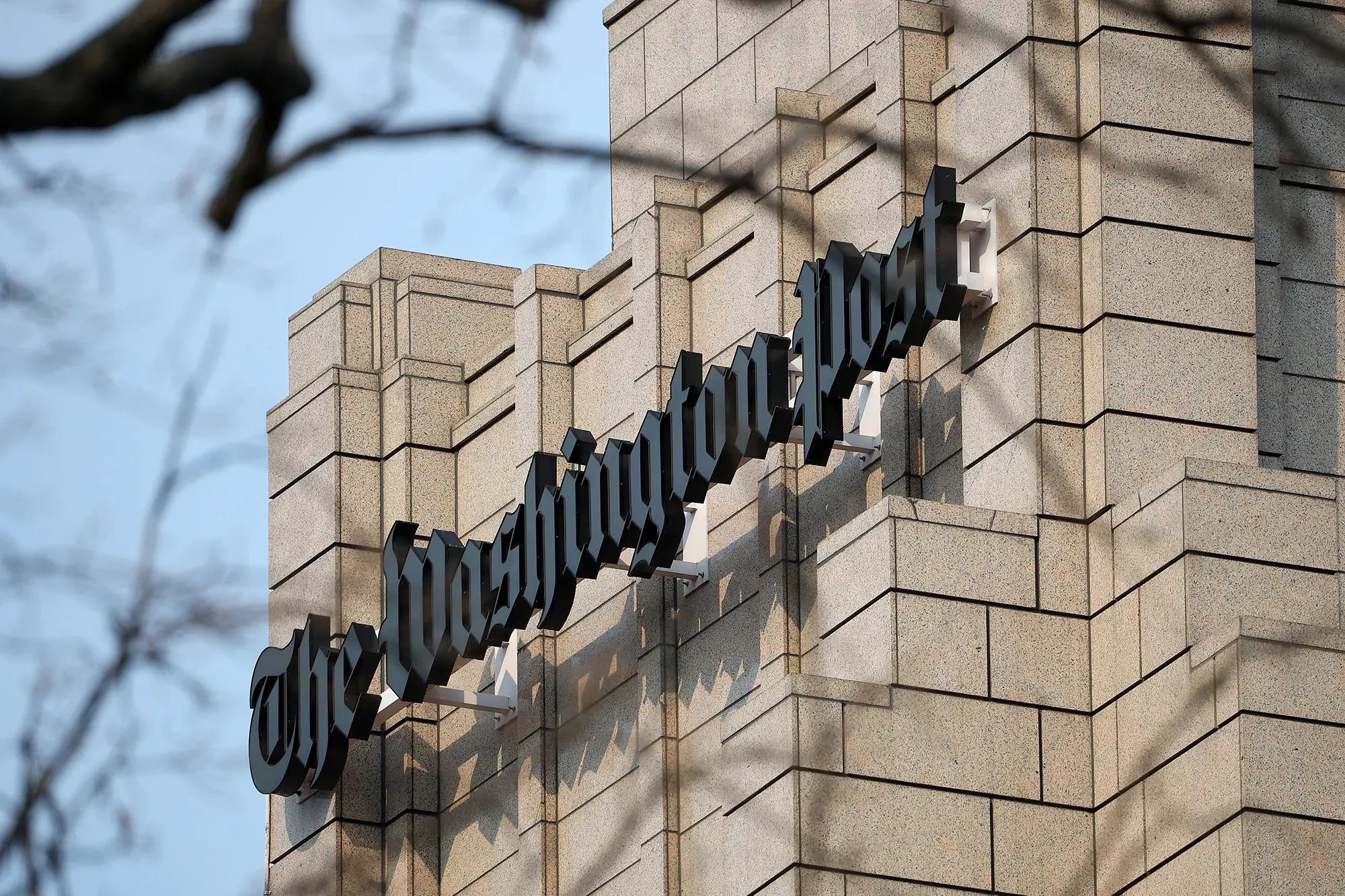
Jeff Bezos' Washington Post is facing a scathing new class-action lawsuit accusing it of using surveillance pricing to gouge loyal readers " in a case that attorneys believe could rack up millions in damages. Since the mid-2010s, WaPo has "covertly harvested" subscriber data, using "deeply personal information" to determine how much they could squeeze out of each loyal reader, according to the suit, which was filed Thursday in the Superior Court of the District of Columbia. Readers largely expected their personal data would be used for "mutually beneficial purposes" like "relevant advertisements" " and did not consent to their personal information being used to hike prices on their subscriptions, the suit alleged. After billionaire Bezos bought WaPo in 2013 for $250 million, the paper started heavily investing in technology and digital subscriptions, the suit noted. "The more loyal a reader became, the more data The Post could gather to estimate how much more that person might tolerate paying at renewal," the complaint said. "Rather than rewarding loyalty, The Post's system converted subscribers' engagement into leverage against them." The suit also alleged WaPo might be collecting extra information from subscribers' use of "affiliates" " including Amazon, Bezos' e-commerce giant. Last year, the publication was forced to reveal it was engaging in surveillance pricing techniques because of a 2025 New York disclosure law.
Latest
Latest News
Each news summary is created according to strict standards. Here's how we do it.
Each summary is created using a consistent editorial procedure. The target length is approximately 16 lines of 11-point Arial text in a 650-pixel-wide column. Up to 25% of a summary may be set in bold to emphasize the most important ideas. Summaries are composed of verbatim excerpts presented in the same sequence as they appear in the original news source, with very minor editorial additions. Where material has been omitted between excerpts, the omission is indicated with ellipses (...). Any words added by an editor for clarity or context appear in [brackets]. Our original news editor was Fred Burks. Tod Fletcher edited most summaries from 2007 through 2014, and Mark Bailey has served as news editor since 2014.