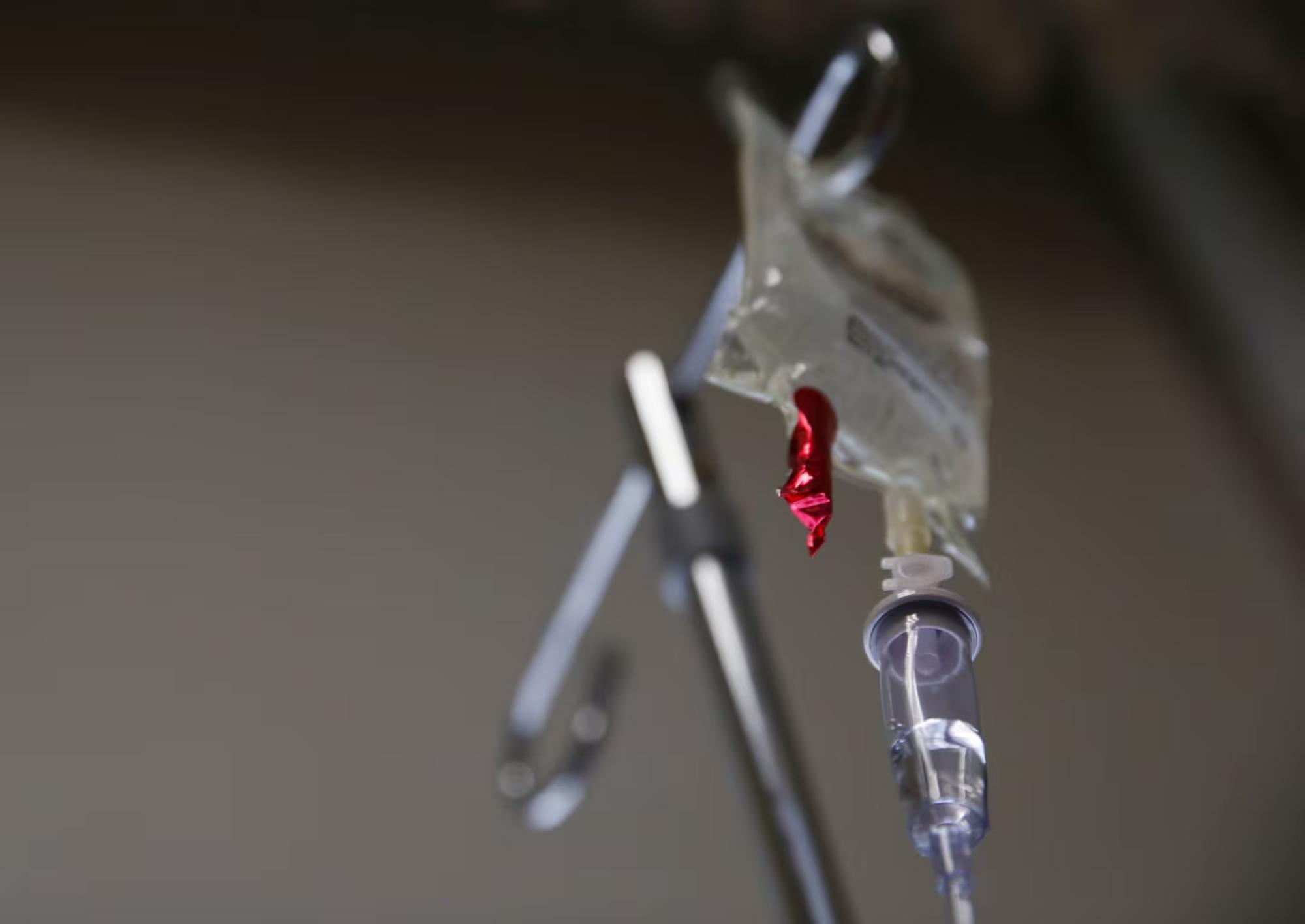
I'm really annoyed, on behalf of the journalist Charles Piller, about the release date of his book "Doctored: Fraud, Arrogance, and Tragedy in the Quest to Cure Alzheimer's." Piller ... presents copious evidence of severe fraud, negligence, and buck-passing in Alzheimer's research. From fabricated images published in major research journals (many of them still unretracted) to data manipulation conducted by pharmaceutical companies to complete negligence on the part of federal watchdogs, Piller's reporting demonstrates indisputably that the field of Alzheimer's research is in sorry shape. Journals ... have proved quite reluctant to retract papers that seem to plainly warrant it, while universities have frequently closed ranks around researchers credibly suspected of fraud rather than engage in prompt and thorough investigations. Journals and individual researchers not only are loath to correct or explain errors but are often unwilling to even respond to basic questions about their work. That's the problem with demanding that people "trust" science just because it calls itself science, or just because it's being conducted by an institution or an individual bearing impressive-seeming credentials. More deference is not the answer, because undue deference lies at the root of almost every major scandal in science. Why should you trust a journal that refuses to correct its errors or a university that protects a star researcher credibly accused of fraud?
Latest
Latest News
Each news summary is created according to strict standards. Here's how we do it.
Each summary is created using a consistent editorial procedure. The target length is approximately 16 lines of 11-point Arial text in a 650-pixel-wide column. Up to 25% of a summary may be set in bold to emphasize the most important ideas. Summaries are composed of verbatim excerpts presented in the same sequence as they appear in the original news source, with very minor editorial additions. Where material has been omitted between excerpts, the omission is indicated with ellipses (...). Any words added by an editor for clarity or context appear in [brackets]. Our original news editor was Fred Burks. Tod Fletcher edited most summaries from 2007 through 2014, and Mark Bailey has served as news editor since 2014.