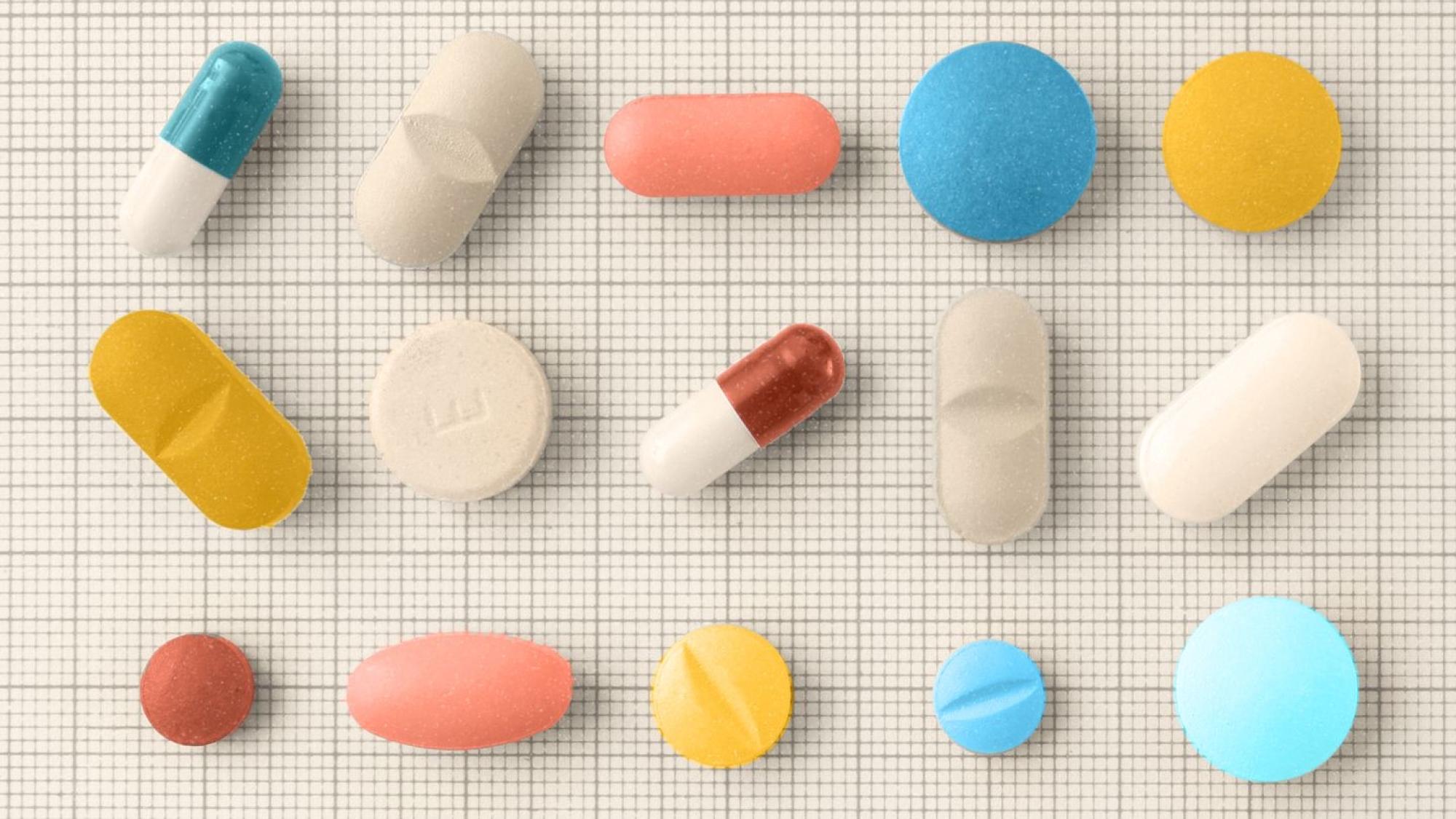
Researchers have long known that any single antidepressant drug is little more effective than a placebo in the majority of trials, shown to be less effective than a placebo in some studies, and generally found to be "clinically negligible" with respect to depression remission, while often resulting in severe adverse effects; for example, resulting in a higher percentage of sexual dysfunction than depression remission. However, for nearly twenty years, psychiatry and Big Pharma have told us that while one antidepressant may not work for the majority of patients, in the "real world," doctors provide patients who have been failed by their initial antidepressant with another antidepressant, and if that fails, still another; and that this real-world treatment is successful for nearly 70% of patients. The problem with this "nearly 70%" story is that the research that has been used to justify it, a 2006 report on the results of the Sequenced Treatment Alternatives to Relieve Depression (STAR*D), has long been disputed by researchers. Moreover, a recent reanalysis of previously undisclosed data reveals that STAR*D, owing to scientific misconduct that dramatically inflated remission rates, may go down in US medical history as one of its most harmful scandals. Even [STAR*D's] fabricated 67% depression remission rate should never have been celebrated. 85% of depressed individuals who go without somatic treatments spontaneously recover within 1 year.
Latest
Latest News
Each news summary is created according to strict standards. Here's how we do it.
Each summary is created using a consistent editorial procedure. The target length is approximately 16 lines of 11-point Arial text in a 650-pixel-wide column. Up to 25% of a summary may be set in bold to emphasize the most important ideas. Summaries are composed of verbatim excerpts presented in the same sequence as they appear in the original news source, with very minor editorial additions. Where material has been omitted between excerpts, the omission is indicated with ellipses (...). Any words added by an editor for clarity or context appear in [brackets]. Our original news editor was Fred Burks. Tod Fletcher edited most summaries from 2007 through 2014, and Mark Bailey has served as news editor since 2014.