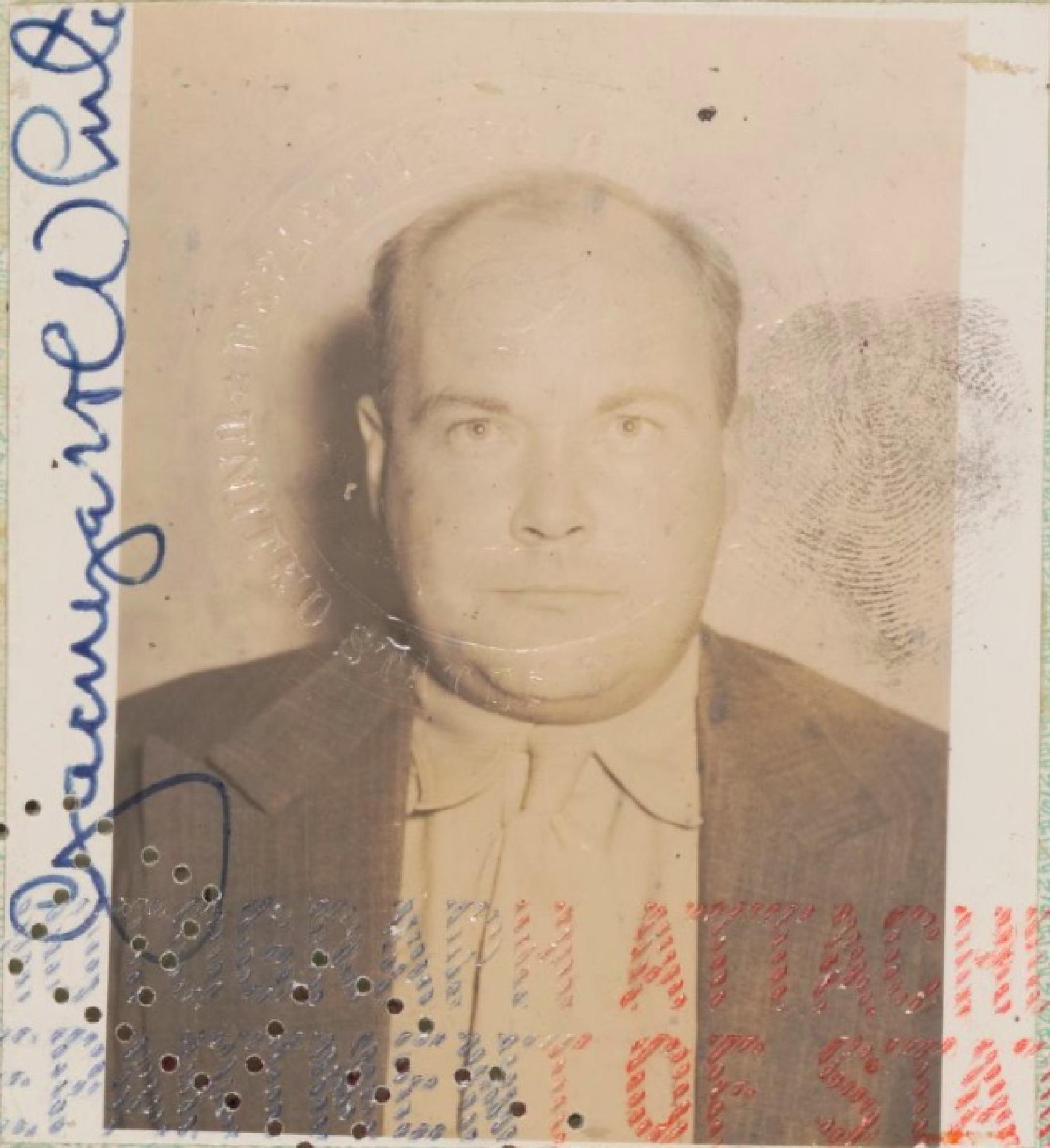
In the late 1950s and early 1960s, numerous men followed sex workers into the apartment at 225 Chestnut Street in San Francisco's Telegraph Hill neighborhood. The johns were the unwitting subjects in a CIA experiment focused on how drugs and sex might be used to obtain secrets from foreign adversaries. Part of MKUltra, the agency's broader and highly controversial mind control research program, Operation Midnight Climax began in 1953. The experiments involved luring men into a heavily surveilled bordello, dosing them with LSD, and filming their reactions to probing questions and subliminal messaging. The goal of Midnight Climax was to understand what roles, if any, sex and drugs could play in getting a target to reveal sensitive or classified information. To run the operation, Gottlieb hired George Hunter White, a federal narcotics agent, who got to work renovating the apartment. Microphones disguised as electrical wall outlets were hooked up to tape recorders, and a large two-way mirror allowed CIA agents to monitor, film, and photograph the encounters. Behind the mirror, a makeshift control room featured a portable toilet and a refrigerator full of adult beverages. Sex workers were given $100 for each man they lured to the bordello, and they would then dose their client with LSD-laced cocktails. Eventually these efforts revealed that a man became increasingly talkative if the sex worker asked him to stay awhileeven after the sexual transaction was complete.
Latest
Latest News
Each news summary is created according to strict standards. Here's how we do it.
Each summary is created using a consistent editorial procedure. The target length is approximately 16 lines of 11-point Arial text in a 650-pixel-wide column. Up to 25% of a summary may be set in bold to emphasize the most important ideas. Summaries are composed of verbatim excerpts presented in the same sequence as they appear in the original news source, with very minor editorial additions. Where material has been omitted between excerpts, the omission is indicated with ellipses (...). Any words added by an editor for clarity or context appear in [brackets]. Our original news editor was Fred Burks. Tod Fletcher edited most summaries from 2007 through 2014, and Mark Bailey has served as news editor since 2014.