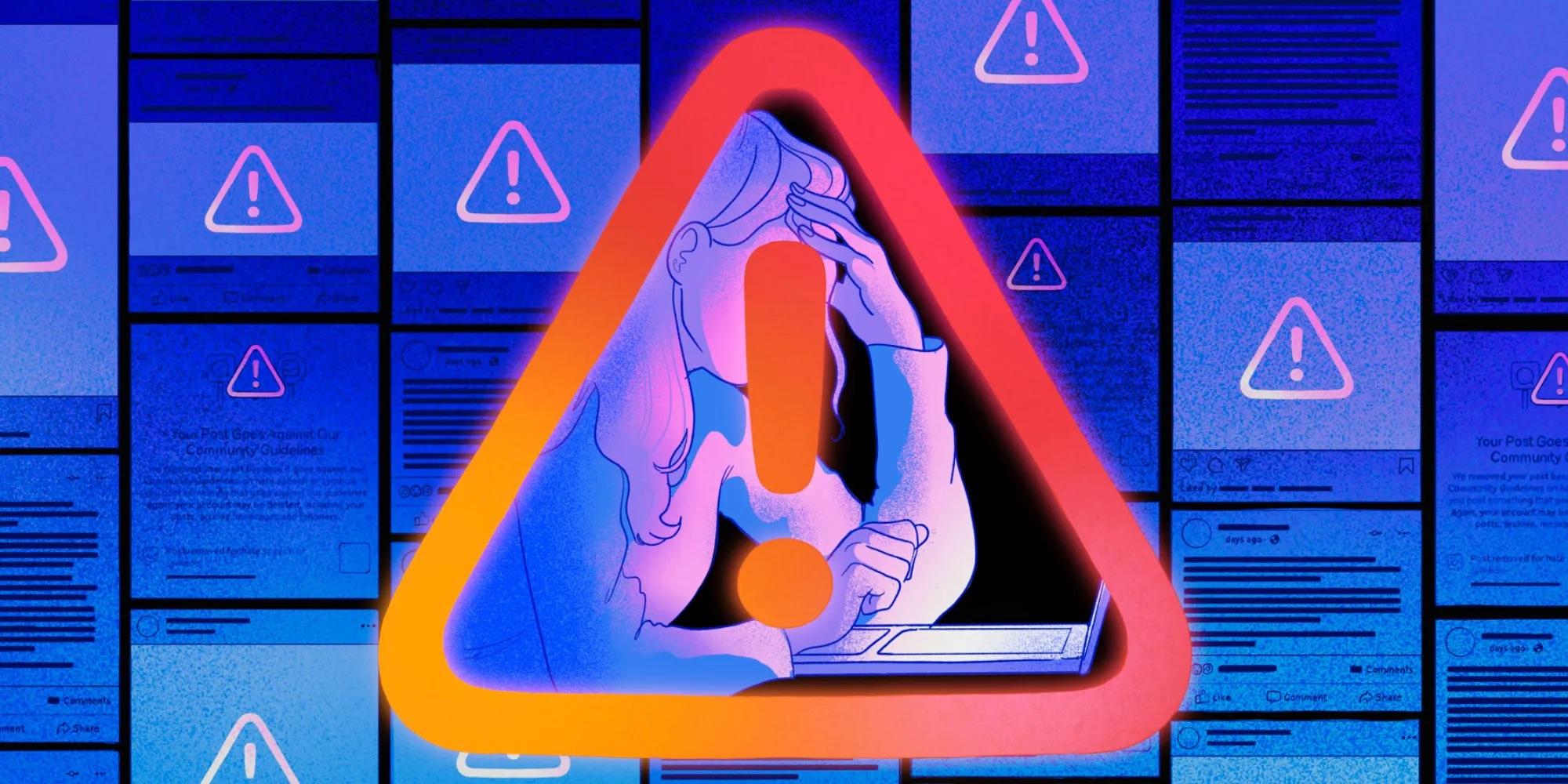
Within Meta's Counterterrorism and Dangerous Organizations team, [Hannah] Byrne helped craft one of the most powerful and secretive censorship policies in internet history. She and her team helped draft the rulebook that applies to the world's most diabolical people and groups: the Ku Klux Klan, cartels, and terrorists. Meta bans these so-called Dangerous Organizations and Individuals, or DOI, from using its platforms, but further prohibits its billions of users from engaging in "glorification," "support," or "representation" of anyone on the list. As an armed white supremacist group with credible allegations of human rights violations hanging over it, Azov [Battalion] had landed on the Dangerous Organizations list. Following the Russian invasion of Ukraine, Meta not only moved swiftly to allow users to cheer on the Azov Battalion, but also loosened its rules around incitement, hate speech, and gory imagery so Ukrainian civilians could share images of the suffering around them. Within weeks, Byrne found the moral universe around her inverted: The heavily armed hate group sanctioned by Congress since 2018 were now freedom fighters resisting occupation, not terroristic racists. It seems most galling for Byrne to compare how malleable Meta's Dangerous Organizations policy was for Ukraine, and how draconian it has felt for those protesting the war in Gaza. "I know the U.S. government is in constant contact with Facebook employees," she said. Meta's censorship systems are "basically an extension of the government," Byrne said. "You want military, Department of State, CIA people enforcing free speech? That is what is concerning."
Latest
Latest News
Each news summary is created according to strict standards. Here's how we do it.
Each summary is created using a consistent editorial procedure. The target length is approximately 16 lines of 11-point Arial text in a 650-pixel-wide column. Up to 25% of a summary may be set in bold to emphasize the most important ideas. Summaries are composed of verbatim excerpts presented in the same sequence as they appear in the original news source, with very minor editorial additions. Where material has been omitted between excerpts, the omission is indicated with ellipses (...). Any words added by an editor for clarity or context appear in [brackets]. Our original news editor was Fred Burks. Tod Fletcher edited most summaries from 2007 through 2014, and Mark Bailey has served as news editor since 2014.