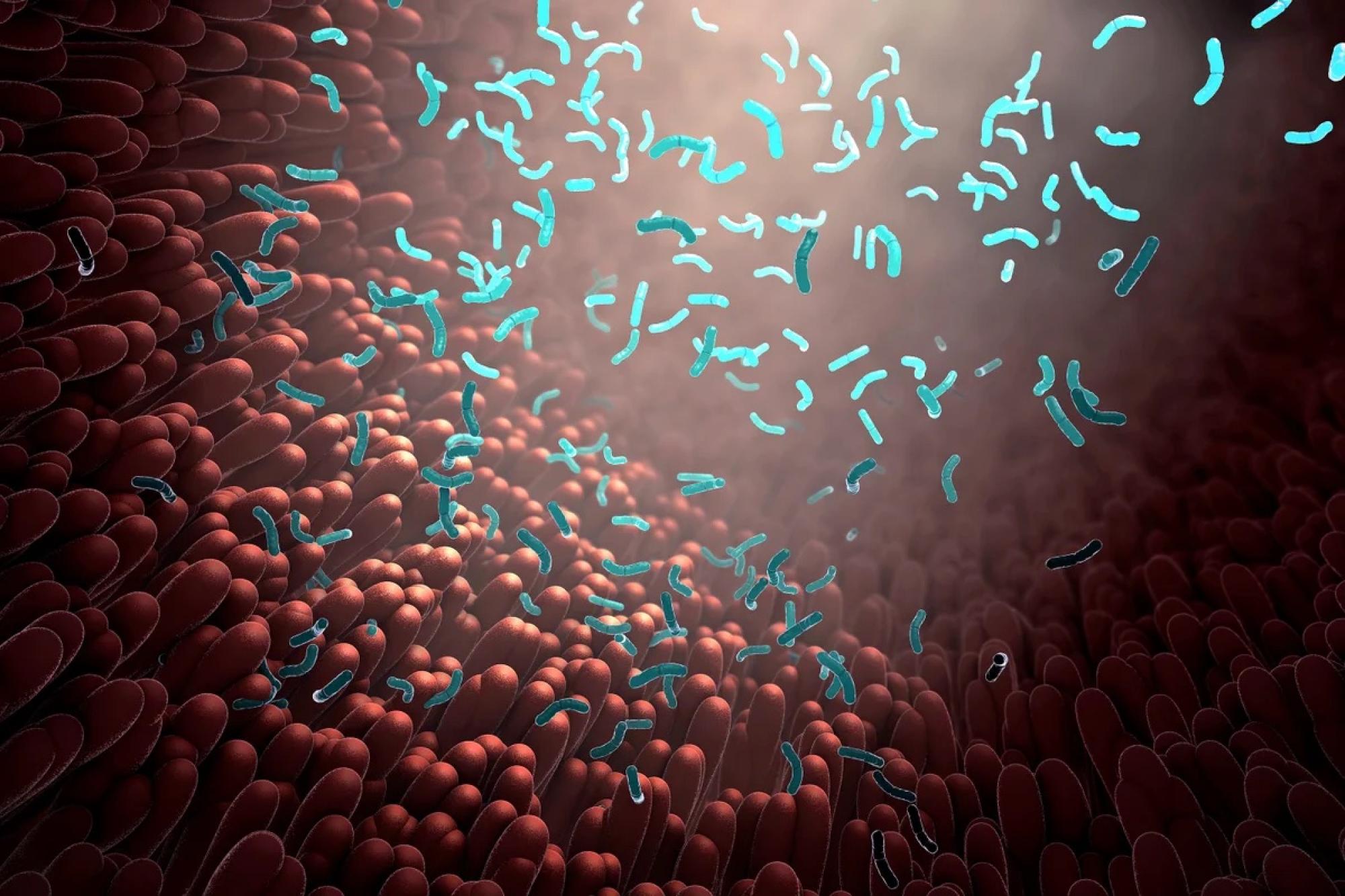
Certain kinds of gut microbes absorb toxic Pfas "forever chemicals" and help expel them from the body via feces, new first-of-its-kind University of Cambridge research shows. The findings are welcome news as the only options that exist for reducing the level of dangerous Pfas compounds from the body are bloodletting and a cholesterol drug that induces unpleasant side effects. The microbes were found to remove up to 75% of some Pfas from the gut of mice. Several of the study's authors plan to develop probiotic dietary supplements that boost levels of helpful microbes in the human gut, which would likely reduce Pfas levels. "If this could be used in humans to create probiotics that can help remove Pfas from the body then this would be a nicer solution in that it wouldn't have so many side effects," said Anna Lindell, Cambridge doctoral student and a co-author of the study. Pfas are a class of about 15,000 compounds most frequently used to make products water-, stain- and grease-resistant. They have been linked to cancer, birth defects, decreased immunity, high cholesterol, kidney disease and a range of other serious health problems. They are dubbed "forever chemicals" because they do not naturally break down in the environment. The microbes [in the study] largely addressed "long-chain" Pfas, which are larger compounds and more dangerous than smaller "short chains" because they stay in the body longer.
Latest
Latest News
Each news summary is created according to strict standards. Here's how we do it.
Each summary is created using a consistent editorial procedure. The target length is approximately 16 lines of 11-point Arial text in a 650-pixel-wide column. Up to 25% of a summary may be set in bold to emphasize the most important ideas. Summaries are composed of verbatim excerpts presented in the same sequence as they appear in the original news source, with very minor editorial additions. Where material has been omitted between excerpts, the omission is indicated with ellipses (...). Any words added by an editor for clarity or context appear in [brackets]. Our original news editor was Fred Burks. Tod Fletcher edited most summaries from 2007 through 2014, and Mark Bailey has served as news editor since 2014.