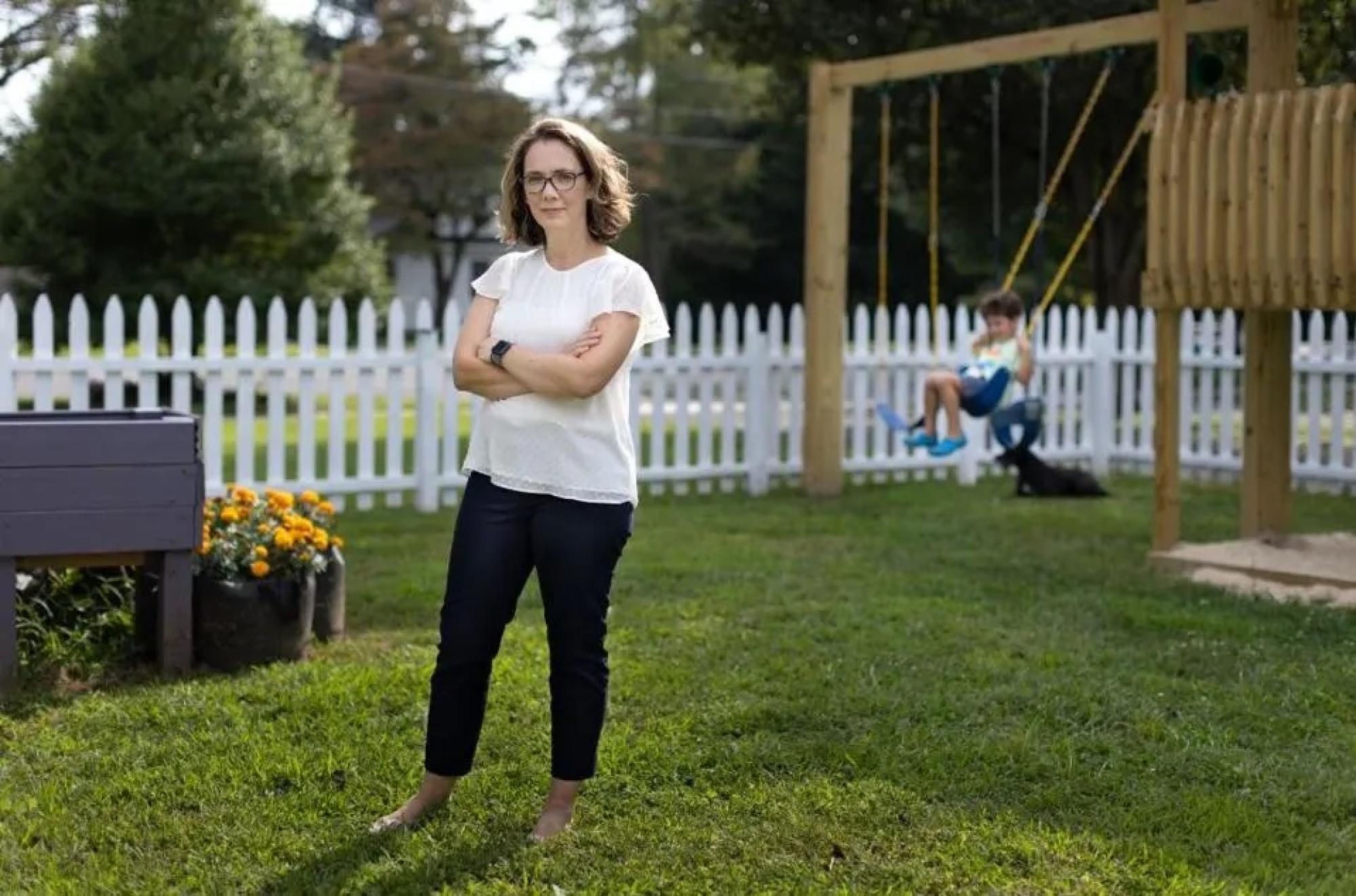
Every state in the U.S. requires hospitals to take a small blood sample from newborns to test for genetic diseases. In most places, the samples are destroyed or given to parents shortly after the testing, but New Jersey keeps them stored in a state facilityfor 23 years"without asking for the parents' consent. During the decades that New Jersey keeps the baby blood samples, it can do whatever it wants with the samples. In fact, on at least a few occasions, samples have been handed over to law enforcement, without consent or a warrant. There is an opt out of testing for religious objections, and parents can request the state to destroy the sample after the testing is complete. But parents don't even know that the state is keeping the blood in the first place. This puts New Jersey out of step with other states, who in recent years were forced to end the sharing of blood samples without consent. Texas destroyed more than 5.3 million blood samples after a 2009 lawsuit revealed that the state had sold some of them to private companies and the Pentagon. Suits in Minnesota and Michigan also led those states to destroy millions of samples. The New Jersey parents aren't suing for money. What they want is for the state to do one of three things: 1) obtain informed consent including the specific uses New Jersey may have for the samples; 2) promptly return all samples that are produced without consent; or 3) destroy all samples once the screening tests are completed.
Latest
Latest News
Each news summary is created according to strict standards. Here's how we do it.
Each summary is created using a consistent editorial procedure. The target length is approximately 16 lines of 11-point Arial text in a 650-pixel-wide column. Up to 25% of a summary may be set in bold to emphasize the most important ideas. Summaries are composed of verbatim excerpts presented in the same sequence as they appear in the original news source, with very minor editorial additions. Where material has been omitted between excerpts, the omission is indicated with ellipses (...). Any words added by an editor for clarity or context appear in [brackets]. Our original news editor was Fred Burks. Tod Fletcher edited most summaries from 2007 through 2014, and Mark Bailey has served as news editor since 2014.