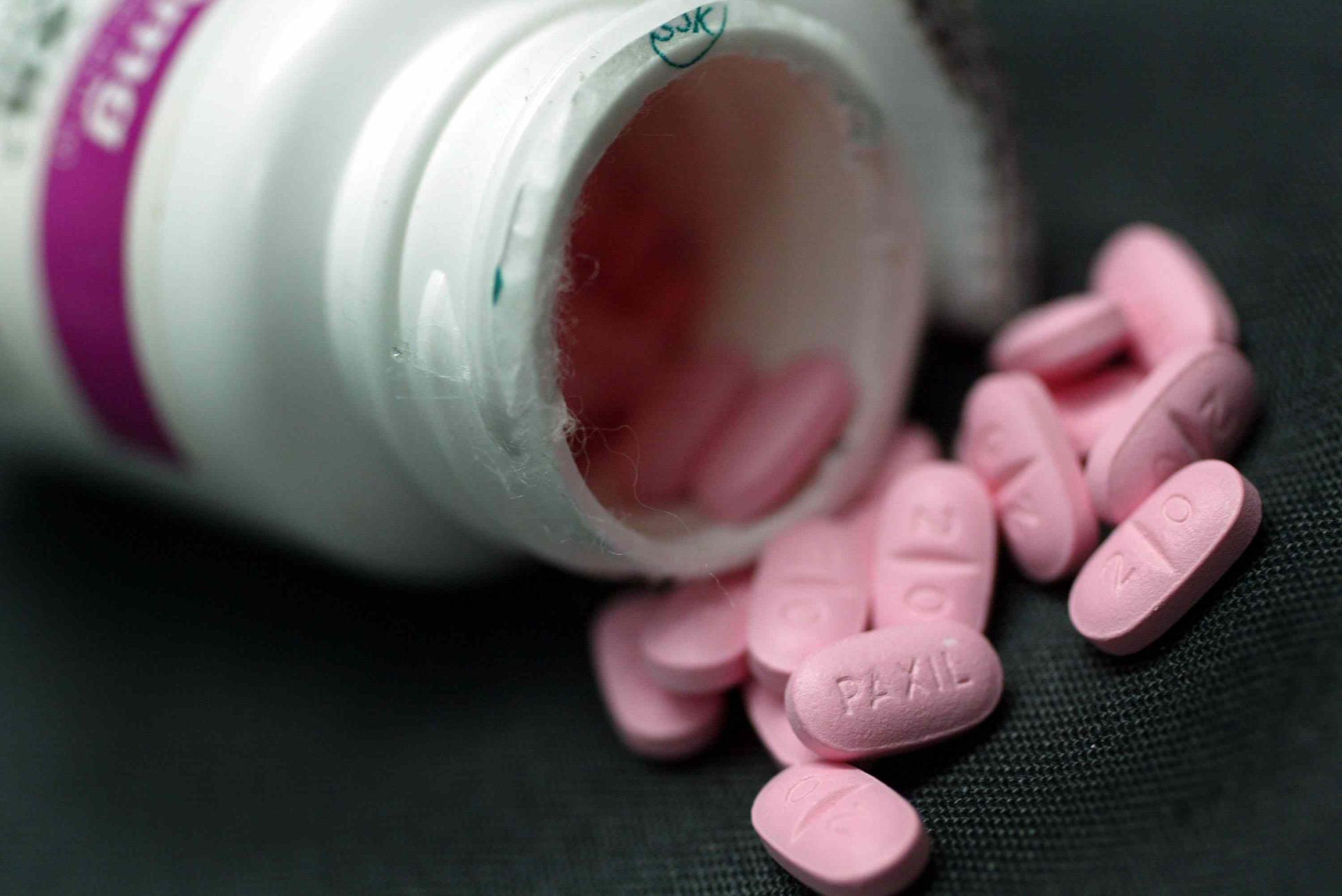
In 2001, the Journal of the American Academy of Child & Adolescent Psychiatry (JAACAP) published a paper declaring that the antidepressant paroxetine (Paxil) was "generally well tolerated and effective" for adolescent depression. That conclusion was false. The manufacturer, GlaxoSmithKline (GSK), knew from its own data that the drug failed to outperform placebo and carried a serious risk of suicidal behaviour. Instead of telling the truth, GSK hired a public-relations firm to ghostwrite the paper, enlisted academic co-authors who never saw the raw data, and used the publication to promote Paxil to doctors treating children. It became known as Study 329 " one of the most infamous cases of scientific fraud in modern psychiatry. The paper remained in circulation " cited hundreds of times, shaping prescribing habits, and legitimising a lie that cost young lives. The paper listed 22 authors " two were GSK employees, and most had never reviewed the raw data or disclosed their financial ties to the company. Once the article appeared in print, GSK's sales force distributed it to thousands of doctors as "proof" that Paxil worked in teens. Within three years, the company made more than a billion dollars from what it called the "adolescent market." In 2003, the FDA concluded: "There is currently no evidence that Paxil is effective in children and adolescents with major depressive disorder." In 2012, GSK pleaded guilty and paid a $3 billion settlement to resolve criminal and civil charges.
Latest
Latest News
Each news summary is created according to strict standards. Here's how we do it.
Each summary is created using a consistent editorial procedure. The target length is approximately 16 lines of 11-point Arial text in a 650-pixel-wide column. Up to 25% of a summary may be set in bold to emphasize the most important ideas. Summaries are composed of verbatim excerpts presented in the same sequence as they appear in the original news source, with very minor editorial additions. Where material has been omitted between excerpts, the omission is indicated with ellipses (...). Any words added by an editor for clarity or context appear in [brackets]. Our original news editor was Fred Burks. Tod Fletcher edited most summaries from 2007 through 2014, and Mark Bailey has served as news editor since 2014.