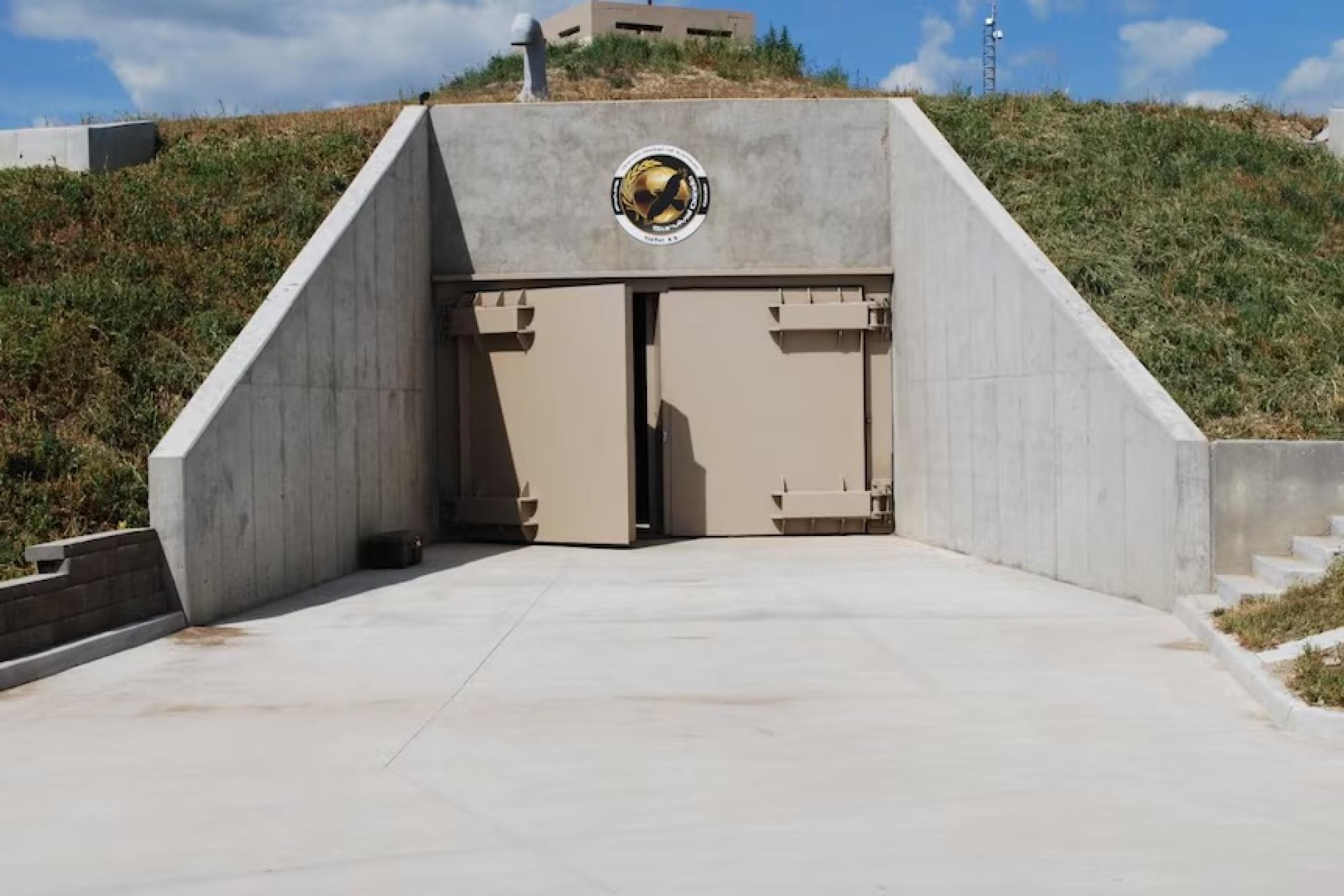
Mark Zuckerberg is said to have started work on Koolau Ranch, his sprawling 1,400-acre compound on the Hawaiian island of Kauai, as far back as 2014. It is set to include a shelter, complete with its own energy and food supplies, though the carpenters and electricians working on the site were banned from talking about it. Asked last year if he was creating a doomsday bunker, the Facebook founder gave a flat no". The underground space spanning some 5,000 square feet is, he explained, "just like a little shelter, it's like a basement". Other tech leaders ... appear to have been busy buying up chunks of land with underground spaces, ripe for conversion into multi-million pound luxury bunkers. Reid Hoffman, the co-founder of LinkedIn, has talked about "apocalypse insurance". So, could they really be preparing for war, the effects of climate change, or some other catastrophic event the rest of us have yet to know about? The advancement of artificial intelligence (AI) has only added to that list of potential existential woes. Ilya Sutskever, chief scientist and a co-founder of Open AI, is reported to be one of them. Mr Sutskever was becoming increasingly convinced that computer scientists were on the brink of developing artificial general intelligence (AGI). In a meeting, Mr Sutskever suggested to colleagues that they should dig an underground shelter for the company's top scientists before such a powerful technology was released on the world.
Latest
Latest News
Each news summary is created according to strict standards. Here's how we do it.
Each summary is created using a consistent editorial procedure. The target length is approximately 16 lines of 11-point Arial text in a 650-pixel-wide column. Up to 25% of a summary may be set in bold to emphasize the most important ideas. Summaries are composed of verbatim excerpts presented in the same sequence as they appear in the original news source, with very minor editorial additions. Where material has been omitted between excerpts, the omission is indicated with ellipses (...). Any words added by an editor for clarity or context appear in [brackets]. Our original news editor was Fred Burks. Tod Fletcher edited most summaries from 2007 through 2014, and Mark Bailey has served as news editor since 2014.