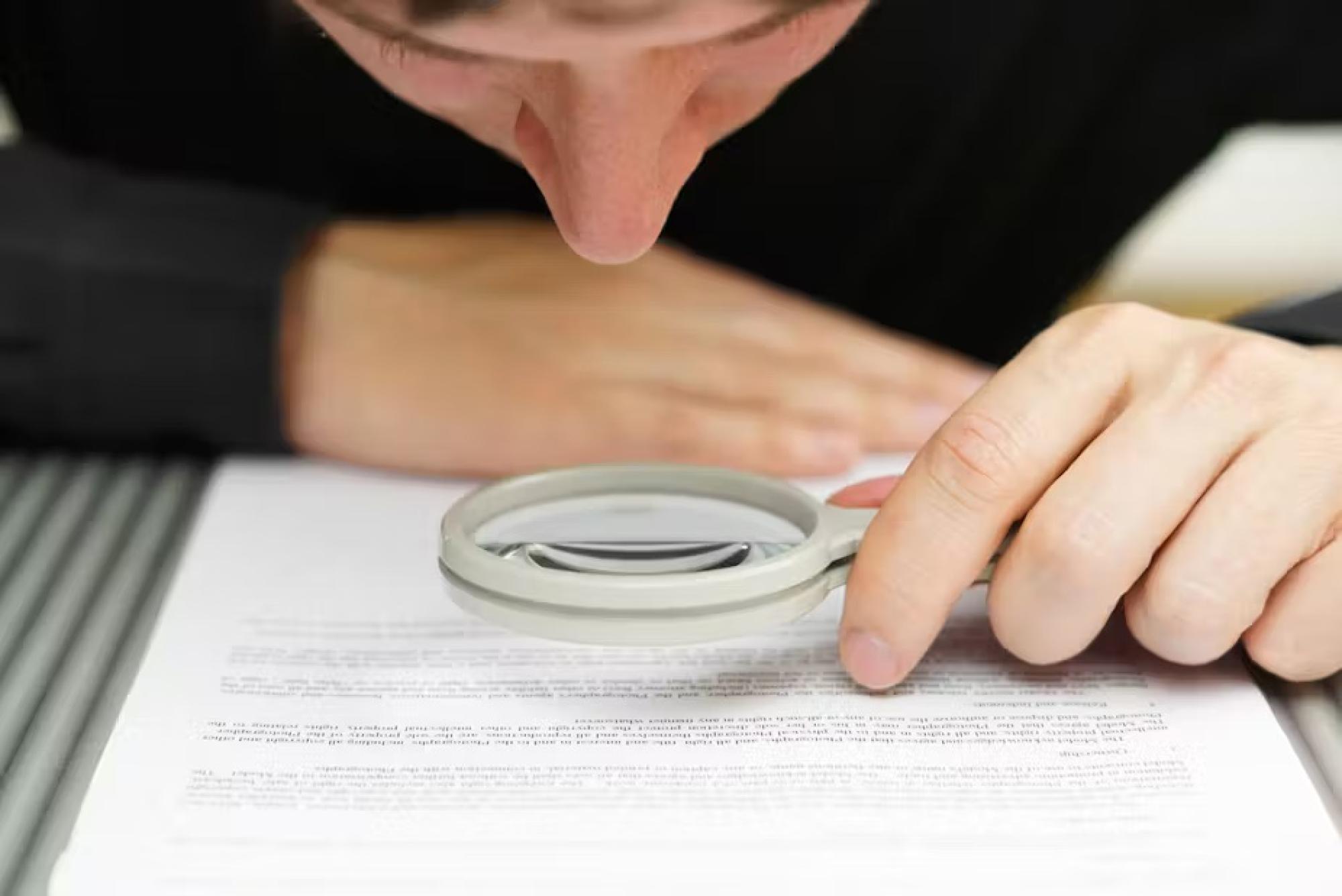
A small, tight-knit community of scientific sleuths has been unearthing growing evidence that many studies, including landmark papers published in top journals, contain manipulated images and falsified findings. These revelations have led to high-profile investigations, raised concerns about clinical trials, and culminated in the departure of university presidents. Their work " often posted on PubPeer, a website where users comment on published studies " has also forced a reckoning around how the crushing pressure to publish splashy results incentivizes fraud. "Claire Francis" is a pseudonym for someone who has commented on, by their own reckoning, 20,000 articles since 2010. About 2,000 of these studies were later retracted. Elisabeth Bik ... comments on papers using her real name, and she has earned a reputation for her preternatural ability to spot fishy figures. Bik has flagged issues with about 8,500 studies, contributing to 1,300 retractions and about 1,100 corrections, she told STAT. Those retractions include a study supporting a popular hypothesis for Alzheimer's disease that has been cited more than 2,000 times, as well as a stem cell paper cited nearly 4,500 times. Her work has made her the recipient of more derisive emails, cease-and-desist letters, and legal threats than Bik can count. That's not an uncommon experience, and Bik is an adviser to the Scientific Integrity Fund, which has set aside money to support sleuths being sued for their work.
Latest
Latest News
Each news summary is created according to strict standards. Here's how we do it.
Each summary is created using a consistent editorial procedure. The target length is approximately 16 lines of 11-point Arial text in a 650-pixel-wide column. Up to 25% of a summary may be set in bold to emphasize the most important ideas. Summaries are composed of verbatim excerpts presented in the same sequence as they appear in the original news source, with very minor editorial additions. Where material has been omitted between excerpts, the omission is indicated with ellipses (...). Any words added by an editor for clarity or context appear in [brackets]. Our original news editor was Fred Burks. Tod Fletcher edited most summaries from 2007 through 2014, and Mark Bailey has served as news editor since 2014.