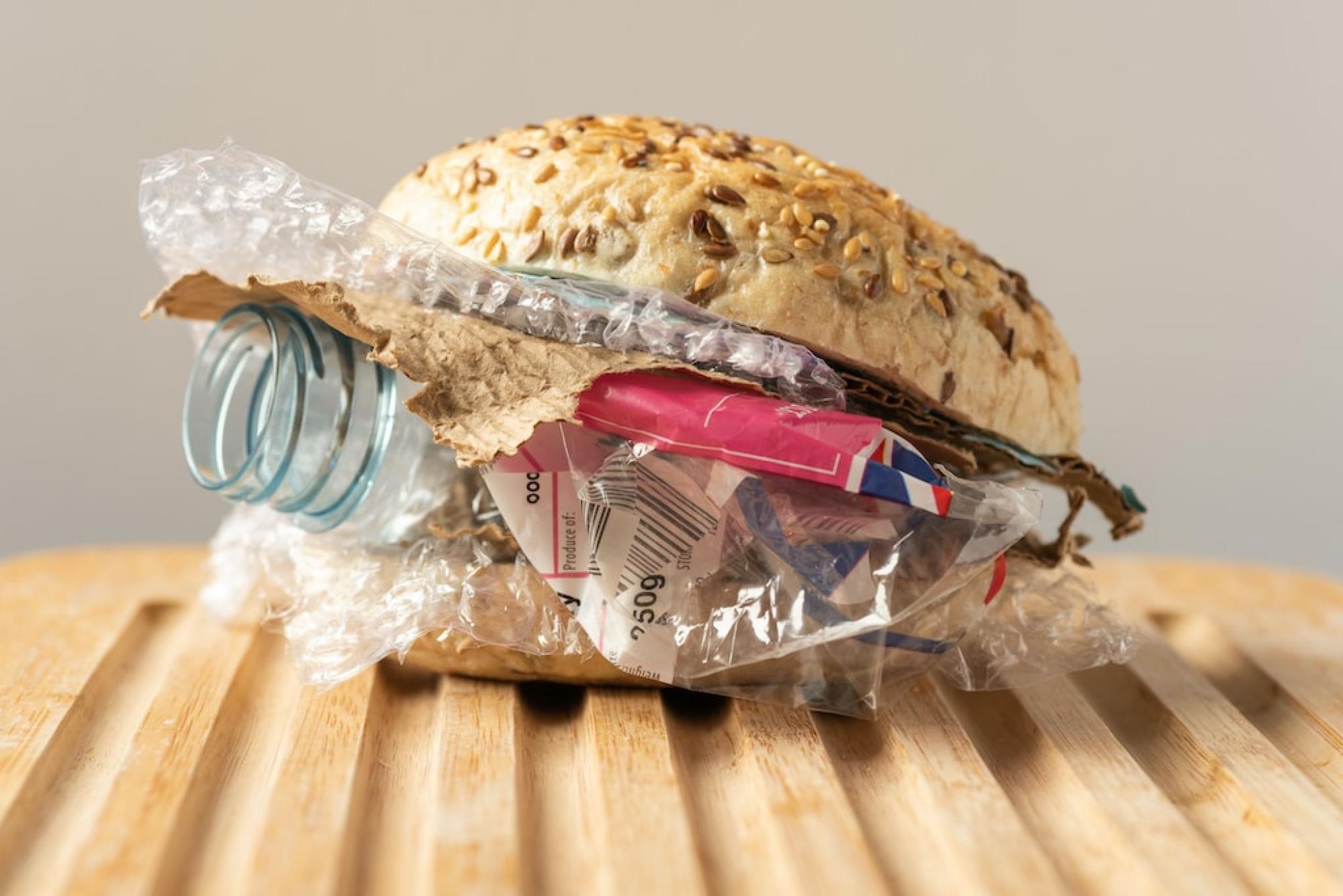
Plastic producers have known for more than 30 years that recycling is not an economically or technically feasible plastic waste management solution. That has not stopped them from promoting it, according to a new report. "The companies lied," said Richard Wiles, president of fossil-fuel accountability advocacy group the Center for Climate Integrity (CCI), which published the report. "It's time to hold them accountable for the damage they've caused." Plastic, which is made from oil and gas, is notoriously difficult to recycle. Doing so requires meticulous sorting, since most of the thousands of chemically distinct varieties of plastic cannot be recycled together. That renders an already pricey process even more expensive. Another challenge: the material degrades each time it is reused, meaning it can generally only be reused once or twice. The industry has known for decades about these existential challenges, but obscured that information in its marketing campaigns. The report does not allege that the companies broke specific laws. But Alyssa Johl, report co-author and attorney, said she suspects they violated public-nuisance, racketeering and consumer-fraud protections. The industry's misconduct continues today. Over the past several years, industry lobbying groups have promoted so-called chemical recycling, which breaks plastic polymers down into tiny molecules. But the process creates pollution and is even more energy intensive than traditional plastic recycling.
Latest
Latest News
Each news summary is created according to strict standards. Here's how we do it.
Each summary is created using a consistent editorial procedure. The target length is approximately 16 lines of 11-point Arial text in a 650-pixel-wide column. Up to 25% of a summary may be set in bold to emphasize the most important ideas. Summaries are composed of verbatim excerpts presented in the same sequence as they appear in the original news source, with very minor editorial additions. Where material has been omitted between excerpts, the omission is indicated with ellipses (...). Any words added by an editor for clarity or context appear in [brackets]. Our original news editor was Fred Burks. Tod Fletcher edited most summaries from 2007 through 2014, and Mark Bailey has served as news editor since 2014.