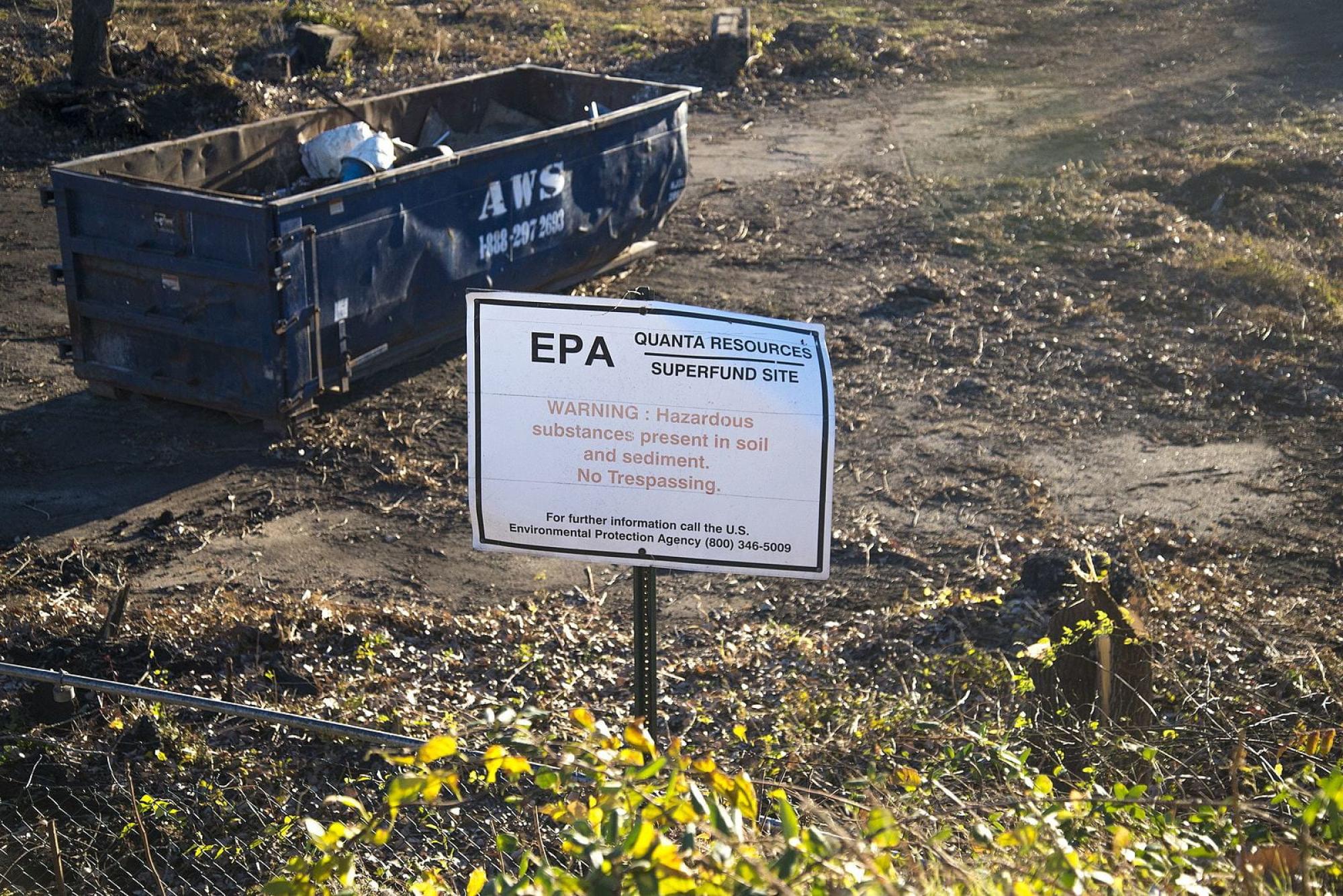
Imet my best friend, Ursula Guidry, in college. Ursula died from cancer when her children were in preschool. We'll never know if her death was pure "bad luck," or whether it had something to do with growing up amidst plastics-manufacturing facilities. What we know for certain is that the toxic chemicals emitted by those facilities can ravage the human body. It's against that backdrop that I watch Environmental Protection Agency Administrator Lee Zeldin work feverishly to dismantle the safeguards protecting people from toxic chemical exposures. The U.S. averages one chemical spill, fire, or explosion every three days, but Zeldin's attacks almost guarantee an increase. Every part of the petrochemical supply chain puts communities at risk, including the nation's millions of miles of pipelines. In Satartia, Miss., a pipeline carrying carbon dioxide used in oil drilling ruptured from heavy rains and floods, spewing carbon dioxide for hours. The carbon dioxide displaced oxygen in the air, so car engines stopped running and people could not escape. Dozens were hospitalized. Acute CO2 emissions cause heart malfunction and death by asphyxiation. Extreme flooding can also submerge Superfund toxic waste dumps. Nearly 1 in 4 Americans live within three miles of a Superfund site. Zeldin's plans are a gift to the fossil fuel and petrochemical corporations. For the rest of us, they are an explosive and hostile attack on our children, our families, and our best friends.
Latest
Latest News
Each news summary is created according to strict standards. Here's how we do it.
Each summary is created using a consistent editorial procedure. The target length is approximately 16 lines of 11-point Arial text in a 650-pixel-wide column. Up to 25% of a summary may be set in bold to emphasize the most important ideas. Summaries are composed of verbatim excerpts presented in the same sequence as they appear in the original news source, with very minor editorial additions. Where material has been omitted between excerpts, the omission is indicated with ellipses (...). Any words added by an editor for clarity or context appear in [brackets]. Our original news editor was Fred Burks. Tod Fletcher edited most summaries from 2007 through 2014, and Mark Bailey has served as news editor since 2014.