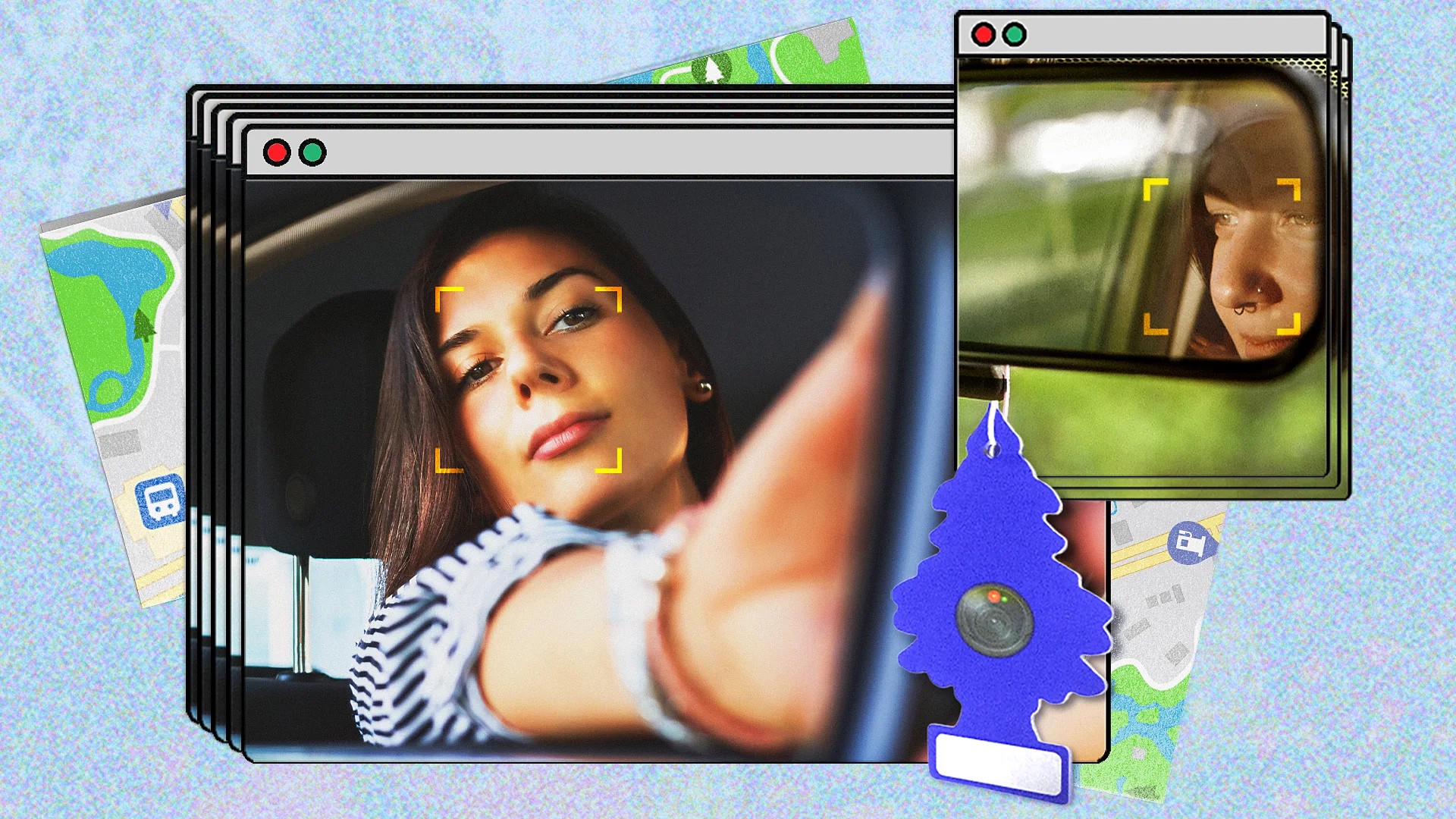
Modern cars are computers on wheels, and giant corporations are using them to suck up intimate details about your life and make more money. The information they harvest can include precise location data about everywhere you go, who's in the car with you, what's on the radio and whether you buckle your seatbelt, drive too fast or brake too hard. Some can gather details you might not expect like your weight, age, race and facial expressions. Some cars have cameras on the inside pointed at the driver's seat. Among the biggest customers for car data are insurance companies, and they're using it to charge some people higher prices. But there's no telling where your information is going. Some car companies admit they sell your data, but they don't have to say who's buying. "People would be shocked at the number of data points that their car collects and transmits to other people, either the manufacturer or third-party applications," says Darrell West, a senior fellow in the Center for Technology Innovation at the Brookings Institute. "It basically means your life can be recreated almost on a second-by-second basis." A federal law ... will soon require American car companies to install infrared biometric cameras and other systems to scan your body language, track your eyes or other aspects of your behavoiur to detect whether you're too drunk or tired to drive. There are no rules limiting what the car companies can do with that information.
Latest
Latest News
Each news summary is created according to strict standards. Here's how we do it.
Each summary is created using a consistent editorial procedure. The target length is approximately 16 lines of 11-point Arial text in a 650-pixel-wide column. Up to 25% of a summary may be set in bold to emphasize the most important ideas. Summaries are composed of verbatim excerpts presented in the same sequence as they appear in the original news source, with very minor editorial additions. Where material has been omitted between excerpts, the omission is indicated with ellipses (...). Any words added by an editor for clarity or context appear in [brackets]. Our original news editor was Fred Burks. Tod Fletcher edited most summaries from 2007 through 2014, and Mark Bailey has served as news editor since 2014.