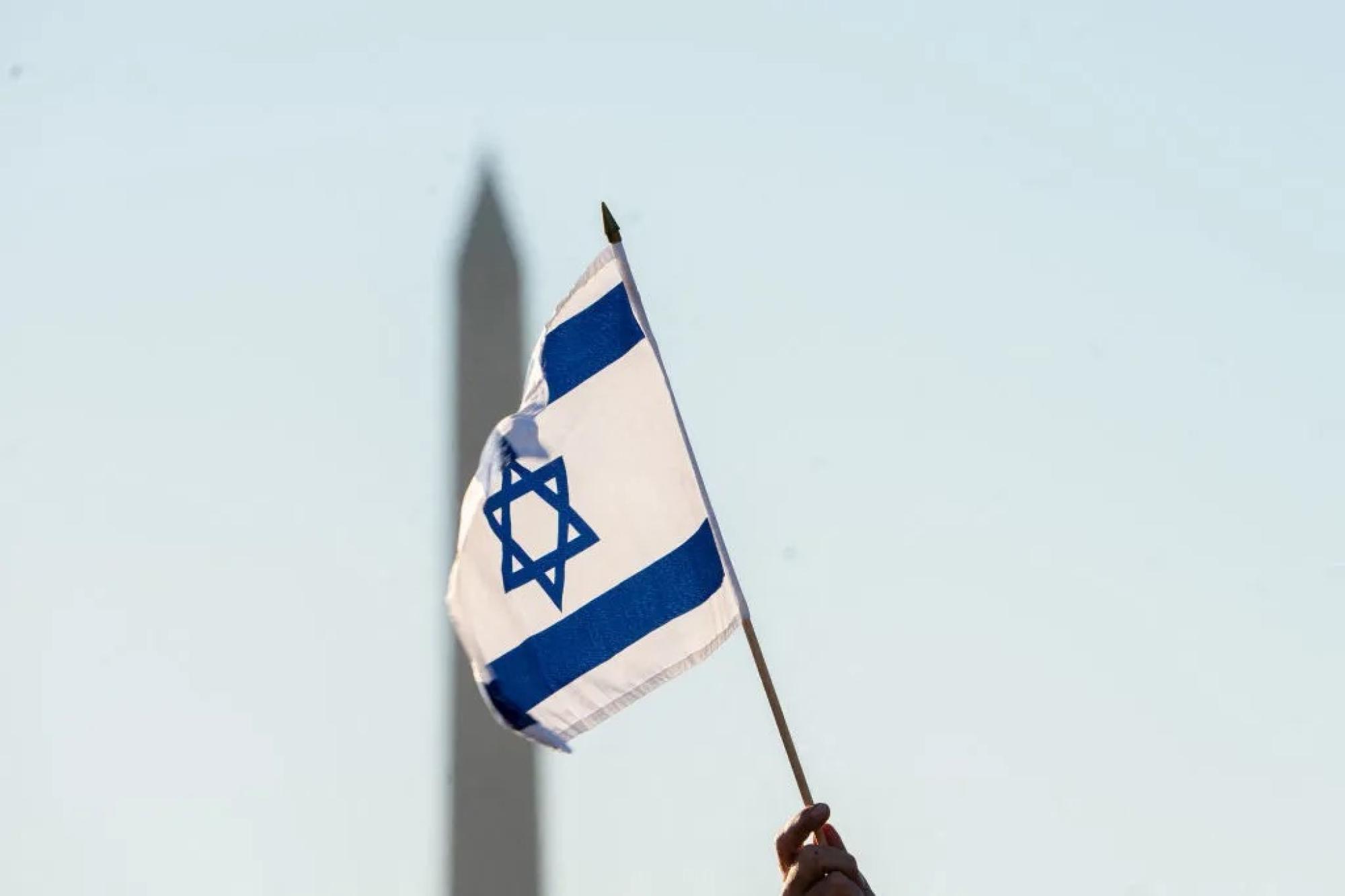
Research institutes and universities may engage in boycotts or divestment to pressure any country or government entity in the world. That right no longer exists when it comes to protests of Israel. Researchers and university employees who engage in certain nonviolent protests or political expression over human rights conditions in Israel may risk civil and criminal penalties, according to a new policy unveiled by the National Institutes of Health yesterday. The agency, the largest public funder of biomedical research in the world, touches virtually every corner of the scientific community. The blanket boycott suppression is a radical expansion of so-called "anti-BDS" rules that restrict Americans from boycotting or simply advocating divestment from Israel-related businesses. The new NIH policy, which mirrors anti-BDS laws applied to contractors in thirty eight states ... applies to all "domestic recipients of new, renewal, supplement, or continuation awards" issued starting April 21. The Trump administration policy reflects a dramatic escalation in speech-policing regarding Israel. Since March 8th, immigration agents have arrested and threatened to deport a number of foreign students who have engaged in protests or criticism of Israel's government. Rumeysa Ozturk, a 30-year old PhD student at Tufts University caught in the recent sweep, was arrested by U.S. Immigration and Customs Enforcement agents last month. She now resides in an ICE prison cell in Louisiana.
Latest
Latest News
Each news summary is created according to strict standards. Here's how we do it.
Each summary is created using a consistent editorial procedure. The target length is approximately 16 lines of 11-point Arial text in a 650-pixel-wide column. Up to 25% of a summary may be set in bold to emphasize the most important ideas. Summaries are composed of verbatim excerpts presented in the same sequence as they appear in the original news source, with very minor editorial additions. Where material has been omitted between excerpts, the omission is indicated with ellipses (...). Any words added by an editor for clarity or context appear in [brackets]. Our original news editor was Fred Burks. Tod Fletcher edited most summaries from 2007 through 2014, and Mark Bailey has served as news editor since 2014.