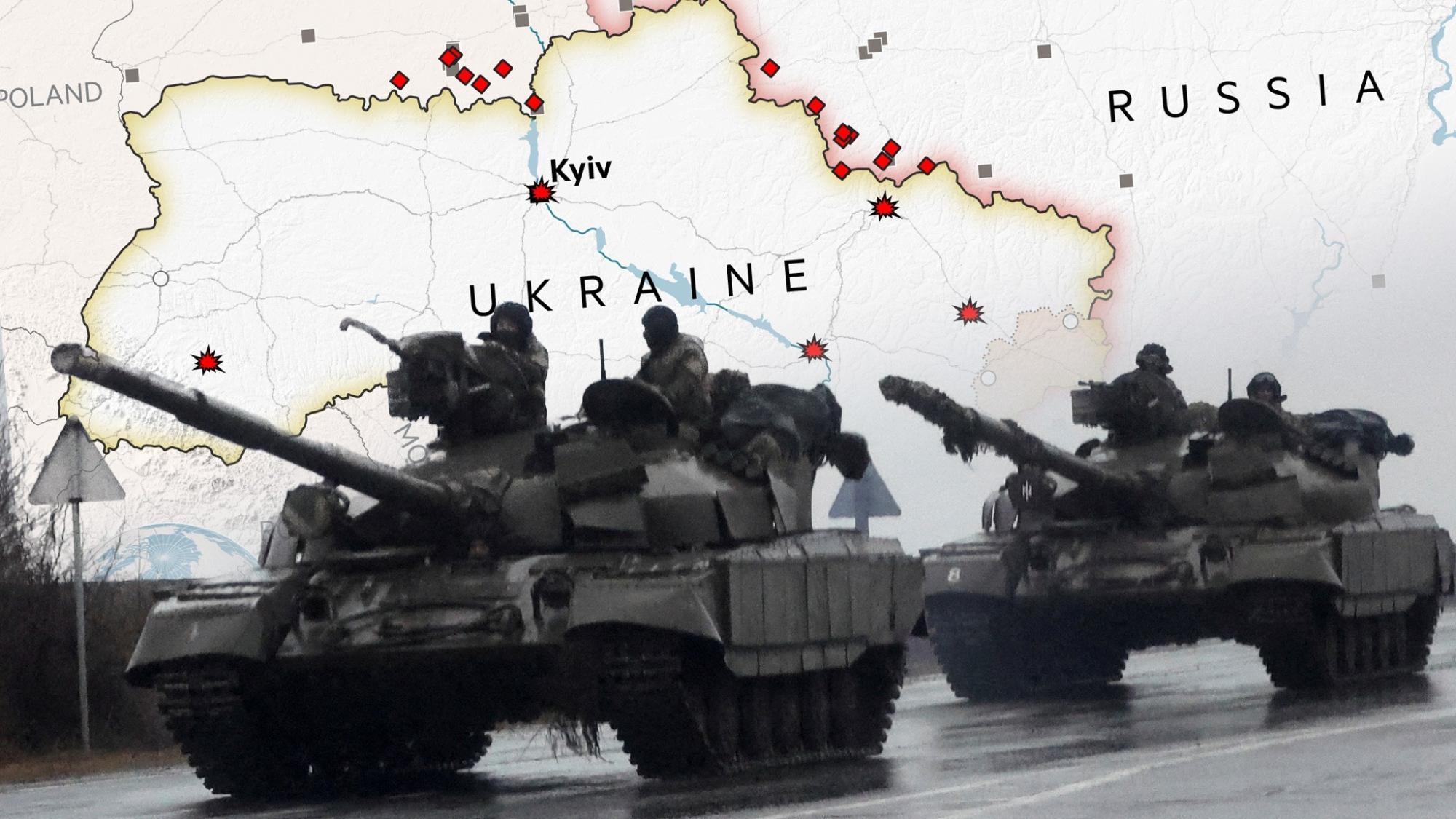
The latest White House spending package includes $50 billion in additional military funding, which is more than Ukraine has received from the United States since the war began in early 2022. There's a better way. The United States can take an active role in organizing a ceasefire, to be followed by negotiations toward a permanent settlement. Unfortunately, so far Biden has made little effort to end the slaughter. In fact, there is serious evidence that Great Britain and the US played a decisive role in blocking a 2022 peace deal between Ukraine and Russia. The State Department reports that the United States has given Ukraine $44.2 billion in military aid since Russia invaded at the end of February, 2022. At the current pace of spending, the additional military aid requested by the White House would keep the Ukraine war going until sometime in mid-2026 " that is, unless there is a plan to intensify the attacks, which would increase the risk of a nuclear conflict. The US has reportedly spent a total of $111 billion on Ukraine since Russia's invasion. If the supplemental spending package is approved ... military-only spending for Ukraine will be greater than the annual budget of the National Institutes of Health, the Centers for Disease Control, and the Food and Drug Administration " combined. The US has already spent ten times as much on Ukraine as we spend on the Centers for Disease Control. That does not mean Ukraine doesn't deserve to be defended, but it does raise serious questions about the direction of the war and our government's priorities.
Latest
Latest News
Each news summary is created according to strict standards. Here's how we do it.
Each summary is created using a consistent editorial procedure. The target length is approximately 16 lines of 11-point Arial text in a 650-pixel-wide column. Up to 25% of a summary may be set in bold to emphasize the most important ideas. Summaries are composed of verbatim excerpts presented in the same sequence as they appear in the original news source, with very minor editorial additions. Where material has been omitted between excerpts, the omission is indicated with ellipses (...). Any words added by an editor for clarity or context appear in [brackets]. Our original news editor was Fred Burks. Tod Fletcher edited most summaries from 2007 through 2014, and Mark Bailey has served as news editor since 2014.