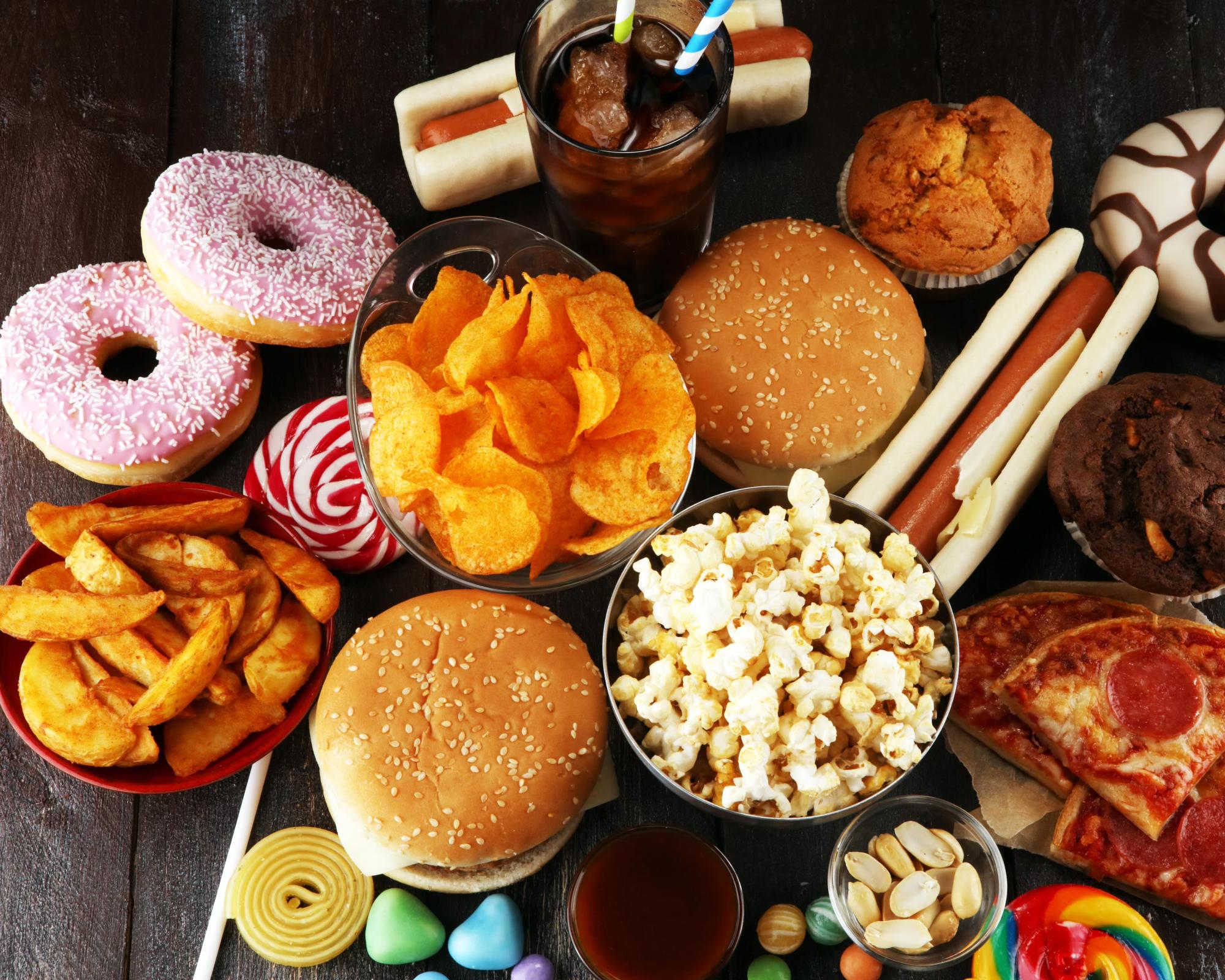
Ultra-processed food (UPF) is linked to harm in every major organ system of the human body and poses a seismic threat to global health. UPF is also rapidly displacing fresh food in the diets of children and adults on every continent, and is associated with an increased risk of a dozen health conditions, including obesity, type 2 diabetes, heart disease and depression. The findings, from a series of three papers published in the Lancet, come as millions of people increasingly consume UPF such as ready meals, cereals, protein bars, fizzy drinks and fast food. In the UK and US, more than half the average diet now consists of UPF. For some, especially people who are younger, poorer or from disadvantaged areas, a diet comprising as much as 80% UPF is typical. Evidence reviewed by 43 of the world's leading experts suggests that diets high in UPF are linked to overeating, poor nutritional quality and higher exposure to harmful chemicals and additives. A systematic review of 104 long-term studies conducted for the series found 92 reported greater associated risks of one or more chronic diseases, and early death from all causes. One of the Lancet series authors, Prof Carlos Monteiro ... said the findings underlined why urgent action is needed to tackle UPF. "The first paper in this Lancet series indicates that ultra-processed foods harm every major organ system in the human body. The evidence strongly suggests that humans are not biologically adapted to consume them."
Latest
Latest News
Each news summary is created according to strict standards. Here's how we do it.
Each summary is created using a consistent editorial procedure. The target length is approximately 16 lines of 11-point Arial text in a 650-pixel-wide column. Up to 25% of a summary may be set in bold to emphasize the most important ideas. Summaries are composed of verbatim excerpts presented in the same sequence as they appear in the original news source, with very minor editorial additions. Where material has been omitted between excerpts, the omission is indicated with ellipses (...). Any words added by an editor for clarity or context appear in [brackets]. Our original news editor was Fred Burks. Tod Fletcher edited most summaries from 2007 through 2014, and Mark Bailey has served as news editor since 2014.