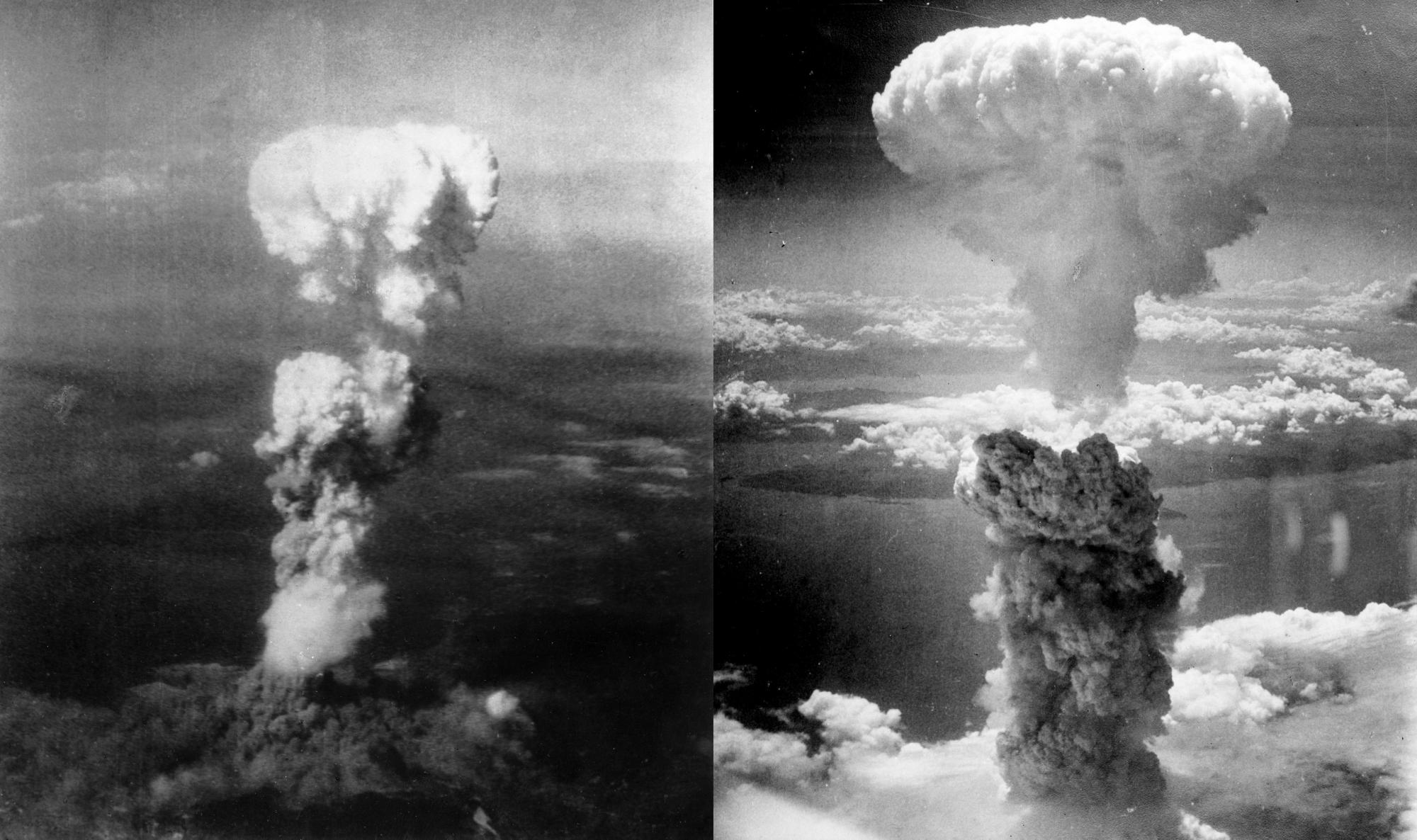
In the weeks following the atomic attacks on Hiroshima and Nagasaki, U.S. authorities seized and suppressed film shot in the bombed cities by U.S. military crews and Japanese newsreel teams to prevent Americans from seeing the full extent of devastation wrought by the new weapons. It remained hidden until the early 1980s and has never been fully aired. Although there are clearly huge differences with Iraq, there are also some similarities," said Mitchell, co-author of "Hiroshima in America" and editor of Editor & Publisher. "The chief similarity is that Americans are still being kept at a distance from images of death, whether of their own soldiers or Iraqi civilians." The Los Angeles Times released a survey of six months of media coverage of the Iraq war in six prominent U.S. newspapers and two news magazines -- a period during which 559 coalition forces, the vast majority American, were killed. It found they had run almost no photographs of Americans killed in action. "So much of the media is owned by big corporations and they would much rather focus on making money than setting themselves up for criticism from the White House and Congress," said Ralph Begleiter, a former CNN correspondent. In 1945, U.S. policymakers wanted to be able to continue to develop and test atomic and eventually nuclear weapons without an outcry of public opinion. "They succeeded but the subject is still a raw nerve."
Latest
Latest News
Each news summary is created according to strict standards. Here's how we do it.
Each summary is created using a consistent editorial procedure. The target length is approximately 16 lines of 11-point Arial text in a 650-pixel-wide column. Up to 25% of a summary may be set in bold to emphasize the most important ideas. Summaries are composed of verbatim excerpts presented in the same sequence as they appear in the original news source, with very minor editorial additions. Where material has been omitted between excerpts, the omission is indicated with ellipses (...). Any words added by an editor for clarity or context appear in [brackets]. Our original news editor was Fred Burks. Tod Fletcher edited most summaries from 2007 through 2014, and Mark Bailey has served as news editor since 2014.