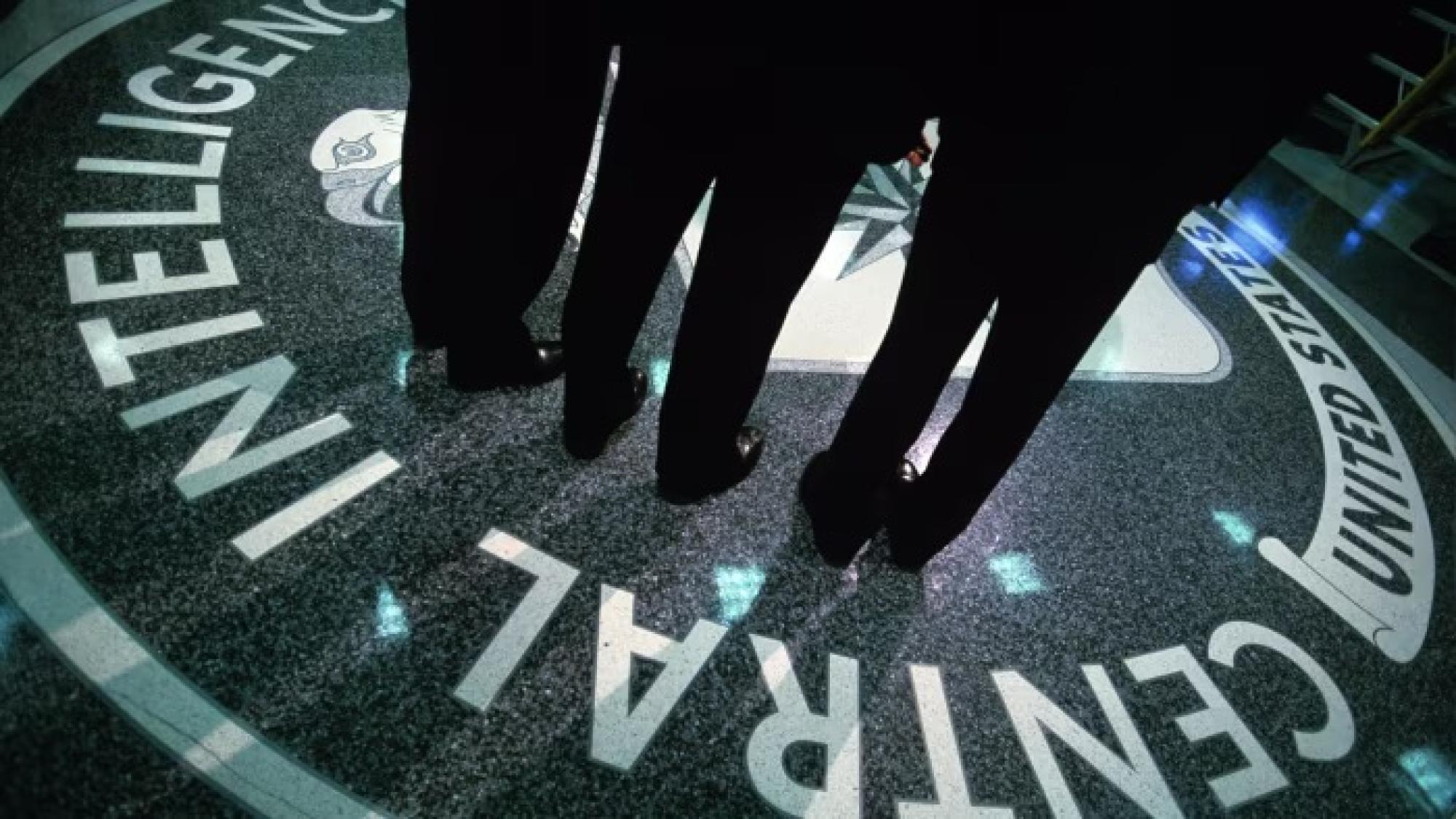
The Obama version of national security looks almost indistinguishable from the one he inherited. Critics tend to focus on Obama himself, but Tufts University political scientist Michael J. Glennon has a more pessimistic answer: Obama couldnt have changed policies much even if he tried. Our government no longer works that way. In a new book, National Security and Double Government, he catalogs the ways that the defence and national security apparatus is effectively self-governing, with virtually no accountability, transparency, or checks and balances of any kind. He uses the term double government: Theres the one we elect, and then theres the one behind it, steering huge swaths of policy almost unchecked. Elected officials end up serving as mere cover for the real decisions made by the bureaucracy. National Security and Double Government comes favorably blurbed by former members of the Defense Department, State Department, White House, and even the CIA. Glennon spoke with Ideas from his office. IDEAS: Where does the term double government come from? GLENNON: Walter Bagehot - the scholar who presided over the birth of The Economist magazine. IDEAS: What evidence exists for saying America has a double government? GLENNON: The documented evidence in the book is substantial there are 800 footnotes. I think the American people ... believe that when they vote for a president or member of Congress or succeed in bringing a case before the courts, that policy is going to change. Policy by and large in the national security realm is made by the concealed institutions.
Latest
Latest News
Each news summary is created according to strict standards. Here's how we do it.
Each summary is created using a consistent editorial procedure. The target length is approximately 16 lines of 11-point Arial text in a 650-pixel-wide column. Up to 25% of a summary may be set in bold to emphasize the most important ideas. Summaries are composed of verbatim excerpts presented in the same sequence as they appear in the original news source, with very minor editorial additions. Where material has been omitted between excerpts, the omission is indicated with ellipses (...). Any words added by an editor for clarity or context appear in [brackets]. Our original news editor was Fred Burks. Tod Fletcher edited most summaries from 2007 through 2014, and Mark Bailey has served as news editor since 2014.