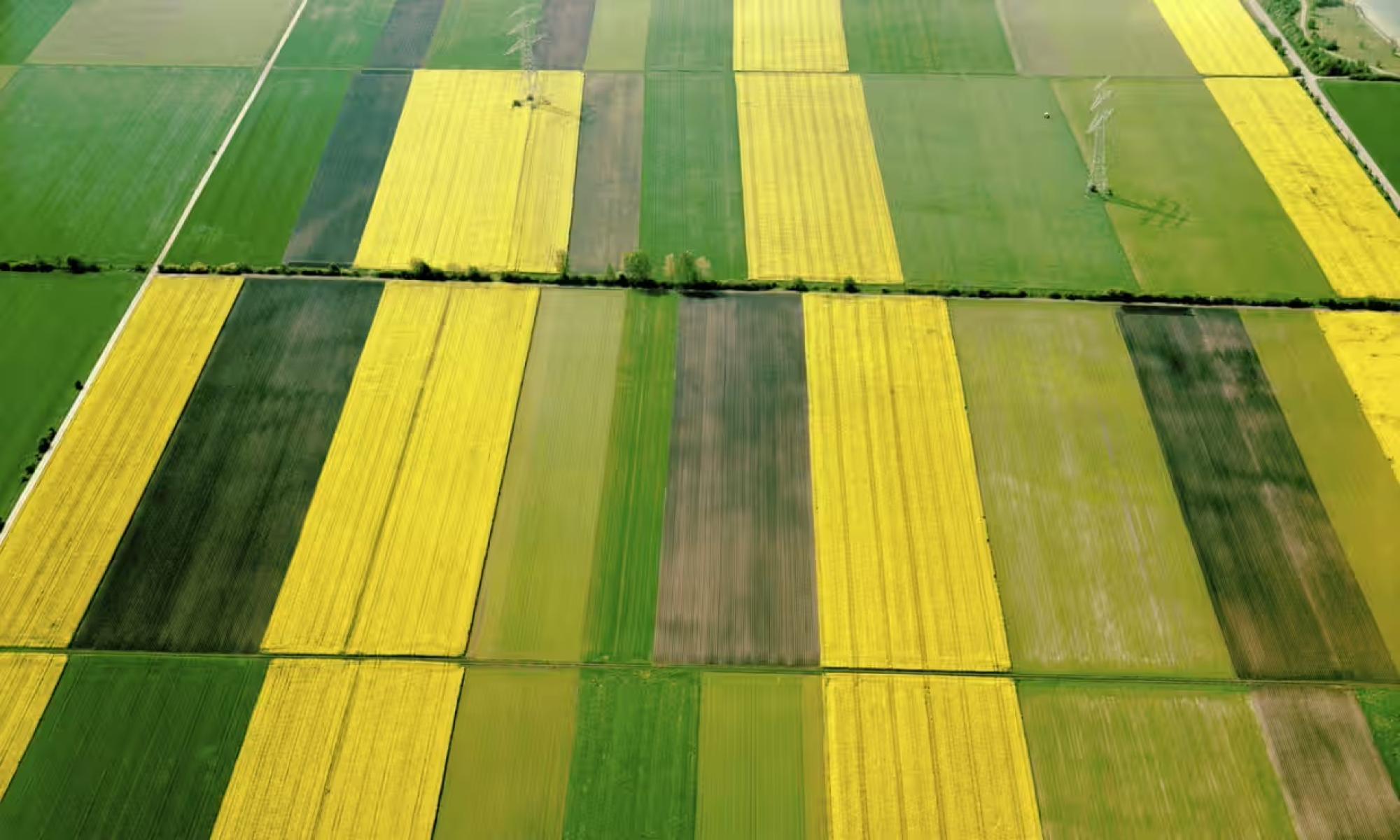
Geoengineering is a technological fix that leaves the economic and industrial system causing climate change untouched. The mindset behind geoengineering stands in sharp contrast to an emerging ecological, systems approach taking shape in the form of regenerative agriculture. More than a mere alternative strategy, regenerative agriculture represents a fundamental shift in our culture's relationship to nature. Regenerative agriculture comprises an array of techniques that rebuild soil and, in the process, sequester carbon. Typically, it uses cover crops and perennials so that bare soil is never exposed, and grazes animals in ways that mimic animals in nature. It also offers ecological benefits far beyond carbon storage: it stops soil erosion, remineralises soil, protects the purity of groundwater and reduces damaging pesticide and fertiliser runoff. Yields from regenerative methods often exceed conventional yields. Likewise, since these methods build soil, crowd out weeds and retain moisture, fertiliser and herbicide inputs can be reduced or eliminated entirely, resulting in higher profits for farmers. No-till methods can sequester as much as a ton of carbon per acre annually. In the US alone, that could amount to nearly a quarter of current emissions. Ultimately, climate change challenges us to rethink our long-standing separation from nature. It is time to fall in love with the land, the soil, and the trees, to halt their destruction and to serve their restoration.
Latest
Latest News
Each news summary is created according to strict standards. Here's how we do it.
Each summary is created using a consistent editorial procedure. The target length is approximately 16 lines of 11-point Arial text in a 650-pixel-wide column. Up to 25% of a summary may be set in bold to emphasize the most important ideas. Summaries are composed of verbatim excerpts presented in the same sequence as they appear in the original news source, with very minor editorial additions. Where material has been omitted between excerpts, the omission is indicated with ellipses (...). Any words added by an editor for clarity or context appear in [brackets]. Our original news editor was Fred Burks. Tod Fletcher edited most summaries from 2007 through 2014, and Mark Bailey has served as news editor since 2014.