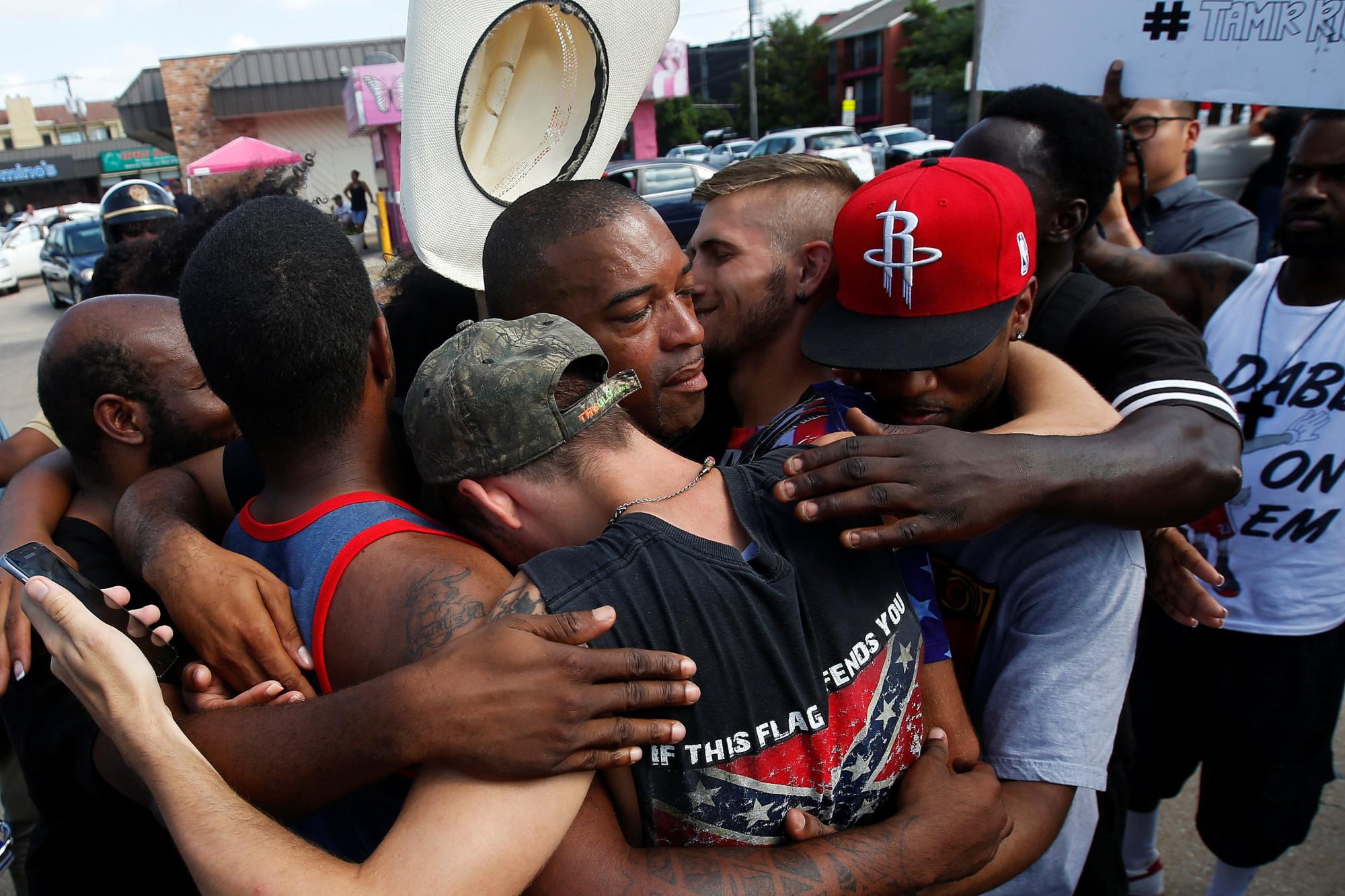
Loretta J. Ross [identifies] the characteristics, and limits, of call-out culture: the act of publicly shaming another person for behavior deemed unacceptable. Civil conversation between parties who disagree has also been part of activism, including her own, for quite some time. "I am challenging the call-out culture," Ross said. "I think you can understand how calling out is toxic. It really does alienate people, and makes them fearful of speaking up." The antidote to that ... Professor Ross believes, is "calling in." Calling in is like calling out, but done privately and with respect. "It's a call out done with love," she said. That may mean simply sending someone a private message, or even ringing them on the telephone to discuss the matter, or simply taking a breath before commenting, screen-shotting or demanding one "do better" without explaining how. Calling out assumes the worst. Calling in involves conversation, compassion and context. "I think we overuse that word 'trigger' when really we mean discomfort," she said. "And we should be able to have uncomfortable conversations." Ross told the students ... "I think we actually sabotage our own happiness with this unrestrained anger. And I have to honestly ask: Why are you making choices to make the world crueler than it needs to be and calling that being woke? She thought of what her organization's founder, the Rev. C.T. Vivian ... told her: "When you ask people to give up hate, you have to be there for them when they do."
Latest
Latest News
Each news summary is created according to strict standards. Here's how we do it.
Each summary is created using a consistent editorial procedure. The target length is approximately 16 lines of 11-point Arial text in a 650-pixel-wide column. Up to 25% of a summary may be set in bold to emphasize the most important ideas. Summaries are composed of verbatim excerpts presented in the same sequence as they appear in the original news source, with very minor editorial additions. Where material has been omitted between excerpts, the omission is indicated with ellipses (...). Any words added by an editor for clarity or context appear in [brackets]. Our original news editor was Fred Burks. Tod Fletcher edited most summaries from 2007 through 2014, and Mark Bailey has served as news editor since 2014.