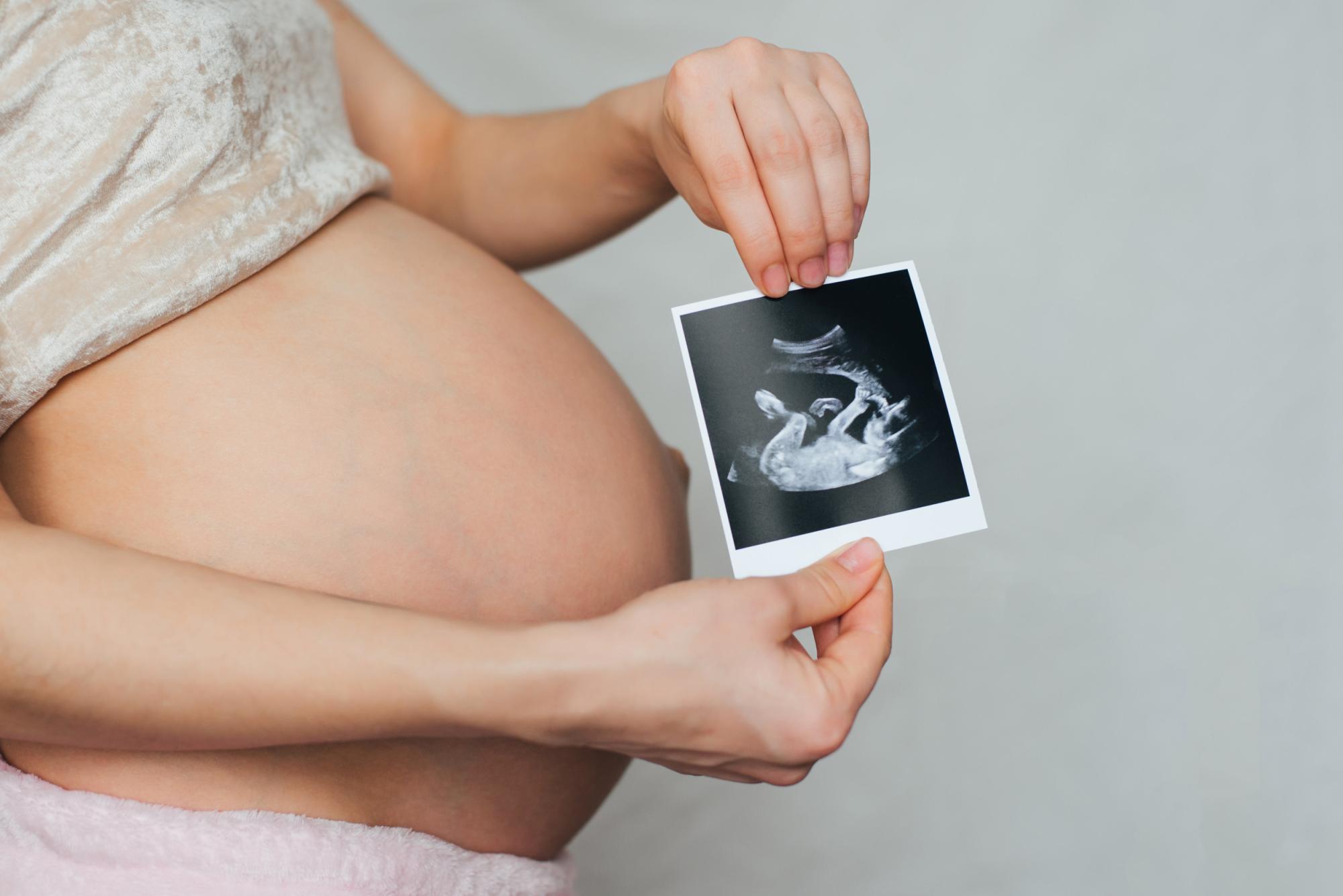
Epigenetics refers to shifts in gene expression that occur without changes to the DNA sequence. Some epigenetic changes are an aspect of cell function, such as those associated with aging. However, environmental factors also affect the functions of genes, meaning people's behaviors affect their genetics. For instance, identical twins develop from a single fertilized egg, and as a result, they share the same genetic makeup. However, as the twins age, their appearances may differ due to distinct environmental exposures. One twin may eat a healthy balanced diet, whereas the other may eat an unhealthy diet, resulting in differences in the expression of their genes that play a role in obesity. Nutritional epigenetics is the study of how your diet, and the diet of your parents and grandparents, affects your genes. The dietary choices a person makes today affects the genetics of their future children. A ... study in sheep showed that a paternal diet supplemented with the amino acid methionine given from birth to weaning affected the growth and reproductive traits of the next three generations. Methionine is an essential amino acid involved in DNA methylation, an example of an epigenetic change. These studies underscore the enduring impact parents' diets have on their children. They also serve as a powerful motivator for would-be parents and current parents to make more healthy dietary choices, as the dietary choices parents make affect their children's diets.
Latest
Latest News
Each news summary is created according to strict standards. Here's how we do it.
Each summary is created using a consistent editorial procedure. The target length is approximately 16 lines of 11-point Arial text in a 650-pixel-wide column. Up to 25% of a summary may be set in bold to emphasize the most important ideas. Summaries are composed of verbatim excerpts presented in the same sequence as they appear in the original news source, with very minor editorial additions. Where material has been omitted between excerpts, the omission is indicated with ellipses (...). Any words added by an editor for clarity or context appear in [brackets]. Our original news editor was Fred Burks. Tod Fletcher edited most summaries from 2007 through 2014, and Mark Bailey has served as news editor since 2014.