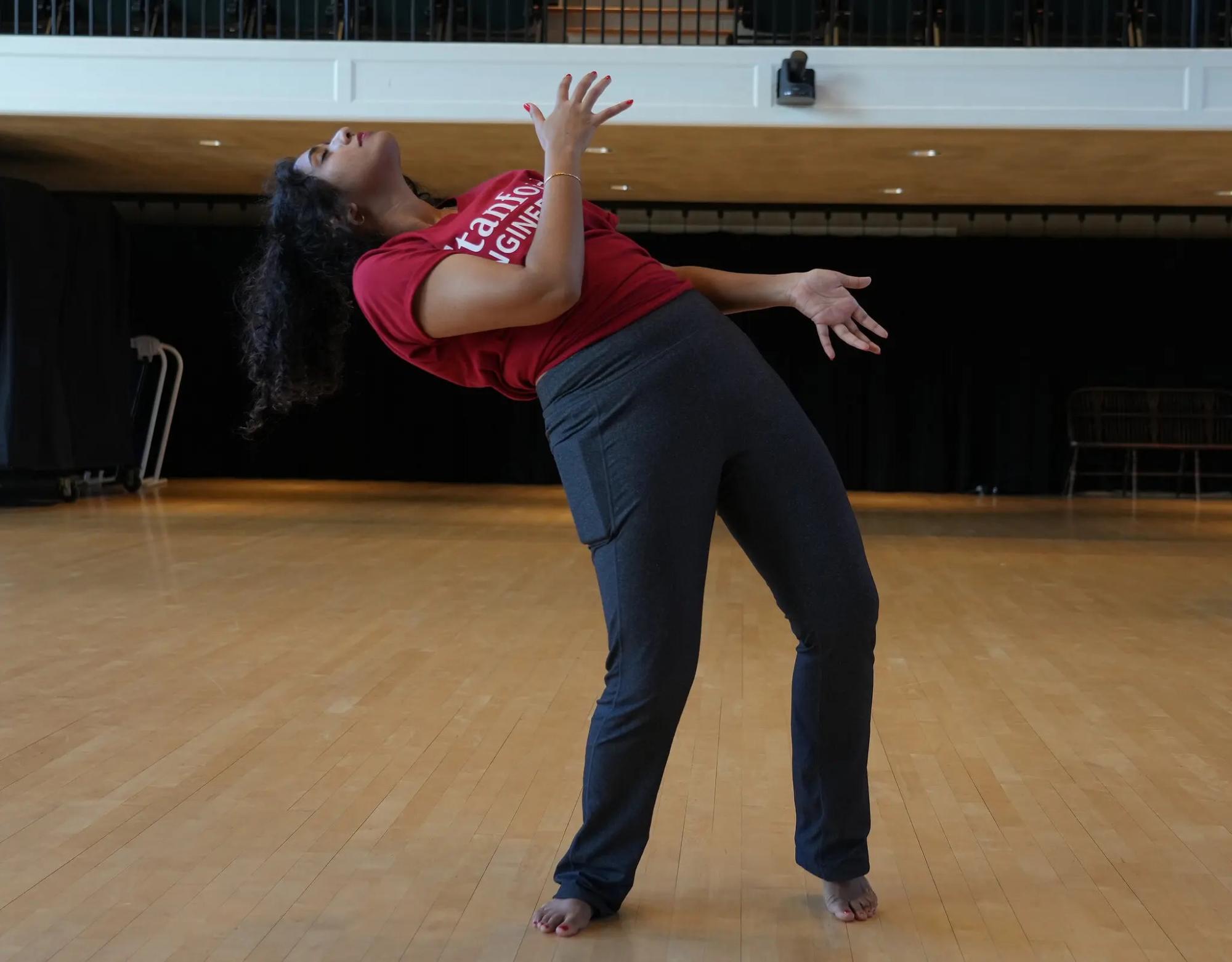
A practice called social prescribing is being explored in the United States, after being adopted in more than 20 other countries. Social prescriptions generally aim to improve health and well-being by connecting people with nonclinical activities that address underlying problems, such as isolation, social stress and lack of nutritious food, which have been shown to play a crucial role in influencing who stays well and for how long. For Ms. Washington, who is among thousands of patients who have received social prescriptions from the nonprofit Open Source Wellness, the experience was transformative. She found a less stressful job, began eating more healthfully and ... was able to stop taking blood pressure medication. At the Cleveland Clinic, doctors are prescribing nature walks, volunteering and ballroom dancing. In Newark, an insurance provider has teamed up with the New Jersey Performing Arts Center to offer patients glassblowing workshops, concerts and museum exhibitions. A nonprofit in Utah is connecting mental health patients with community gardens and helping them participate in other activities that bring them a sense of meaning. Universities have started referring students to arts and cultural activities like comedy shows and concerts. Research on social prescribing suggests that it can improve mental health and quality of life and that it might reduce doctor visits and hospital admissions.
Latest
Latest News
Each news summary is created according to strict standards. Here's how we do it.
Each summary is created using a consistent editorial procedure. The target length is approximately 16 lines of 11-point Arial text in a 650-pixel-wide column. Up to 25% of a summary may be set in bold to emphasize the most important ideas. Summaries are composed of verbatim excerpts presented in the same sequence as they appear in the original news source, with very minor editorial additions. Where material has been omitted between excerpts, the omission is indicated with ellipses (...). Any words added by an editor for clarity or context appear in [brackets]. Our original news editor was Fred Burks. Tod Fletcher edited most summaries from 2007 through 2014, and Mark Bailey has served as news editor since 2014.