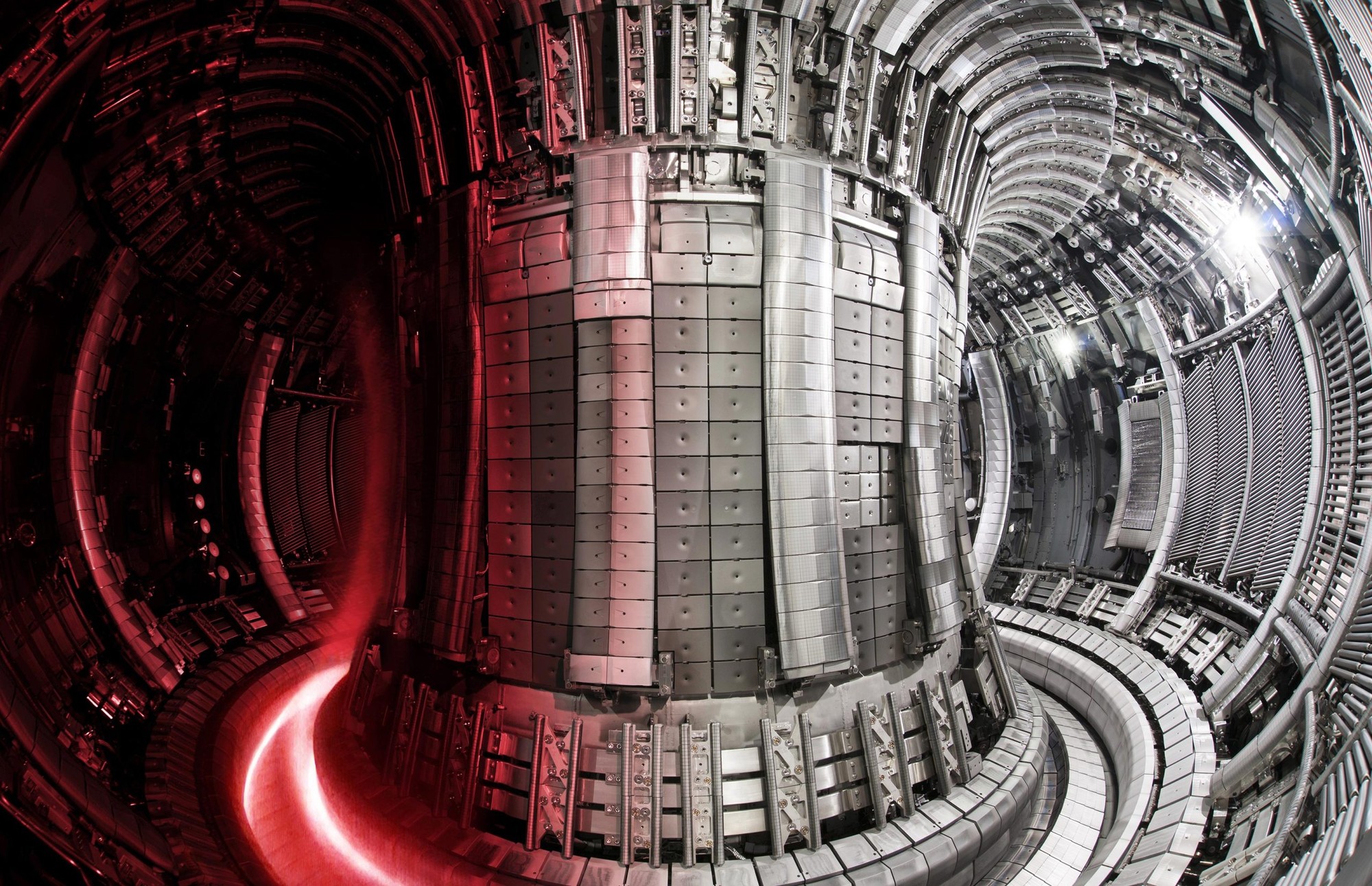
After more than three decades of simmering debate in specialized physics groups and fringe research circles, the controversy over cold fusion (sometimes called low-energy nuclear reactions or LENRs) refuses to go away. On one hand, ardent supporters have lacked the consistent, reproducible results and the theoretical underpinning needed to court mainstream acceptance. On the other, vehement detractors cannot fully ignore the anomalous results that have continued to crop up. Aside from the recent promising findings from NASA, Google published a paper in Nature in 2019 revealing that the company had spent US $10 million to research cold fusion since 2015. The company teamed up with researchers at institutions including MIT, the University of British Columbia, and Lawrence Berkeley National Laboratory. The research group found no evidence of classic Pons-Fleischmann-style cold fusion, but it did find evidence of the larger umbrella category of LENRs—suggesting (as the NASA group also reported) that nuclear fusion may be possible in locally-hot sites in otherwise room temperature metals. Will a grand-unified theory of cold fusion or LENRs or whatever-you-call-it be completed by year’s end? Almost certainly not, say the researchers. “We’re just hoping that out of that brain trust we’re going to get some good analysis, because of this group of people we’ve brought together,” says [project manager Oliver] Barham.
Latest
Latest News
Each news summary is created according to strict standards. Here's how we do it.
Each summary is created using a consistent editorial procedure. The target length is approximately 16 lines of 11-point Arial text in a 650-pixel-wide column. Up to 25% of a summary may be set in bold to emphasize the most important ideas. Summaries are composed of verbatim excerpts presented in the same sequence as they appear in the original news source, with very minor editorial additions. Where material has been omitted between excerpts, the omission is indicated with ellipses (...). Any words added by an editor for clarity or context appear in [brackets]. Our original news editor was Fred Burks. Tod Fletcher edited most summaries from 2007 through 2014, and Mark Bailey has served as news editor since 2014.