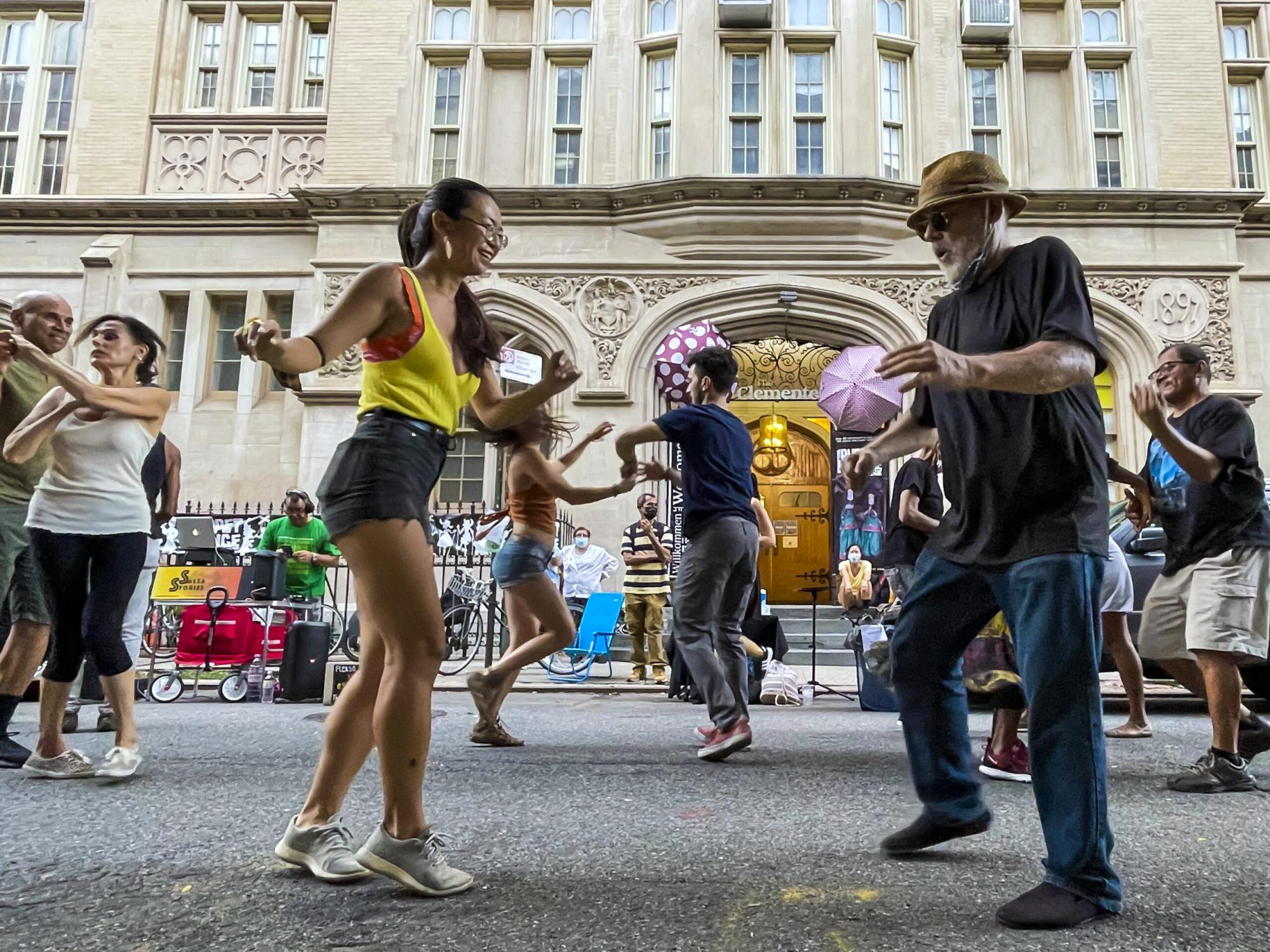
"Dance is a language of the body," says Julia F. Christensen, a neuroscientist at the Max Planck Institute for Empirical Aesthetics and author of Dancing is the Best Medicine. "Our brain understands gestures that we may do as we dance like an expressive language." For centuries, communities have turned to dance not only for celebration but for ritual and healing. Long before scientists tracked brain waves or measured neurotransmitters, dancers had an intuitive understanding of the power of moving together. Now, the research is starting to catch up. A 2024 meta-analysis published in The BMJ reviewed 218 clinical trials and found that dance reduced symptoms of depression more than walking, yoga, strength training, and even standard antidepressants. While only 15 of the studies focused specifically on dance, the results were enough to grab the attention of researchers. Our brains are wired for rhythm"and dancing engages our entire nervous system. Some neuroscientists describe this full-body stimulation as a neurochemical symphony. Anticipating a melody can trigger the release of dopamine. Physical movement boosts endorphins. Dancing with others increases oxytocin. Studies have shown that this trifecta can enhance mood, increase social bonding, and reduce stress. Dance offers a unique way to reconnect with oneself. It can activate emotional, cognitive, and sensory pathways, reawakening a sense of connection within and beyond the self.
Latest
Latest News
Each news summary is created according to strict standards. Here's how we do it.
Each summary is created using a consistent editorial procedure. The target length is approximately 16 lines of 11-point Arial text in a 650-pixel-wide column. Up to 25% of a summary may be set in bold to emphasize the most important ideas. Summaries are composed of verbatim excerpts presented in the same sequence as they appear in the original news source, with very minor editorial additions. Where material has been omitted between excerpts, the omission is indicated with ellipses (...). Any words added by an editor for clarity or context appear in [brackets]. Our original news editor was Fred Burks. Tod Fletcher edited most summaries from 2007 through 2014, and Mark Bailey has served as news editor since 2014.