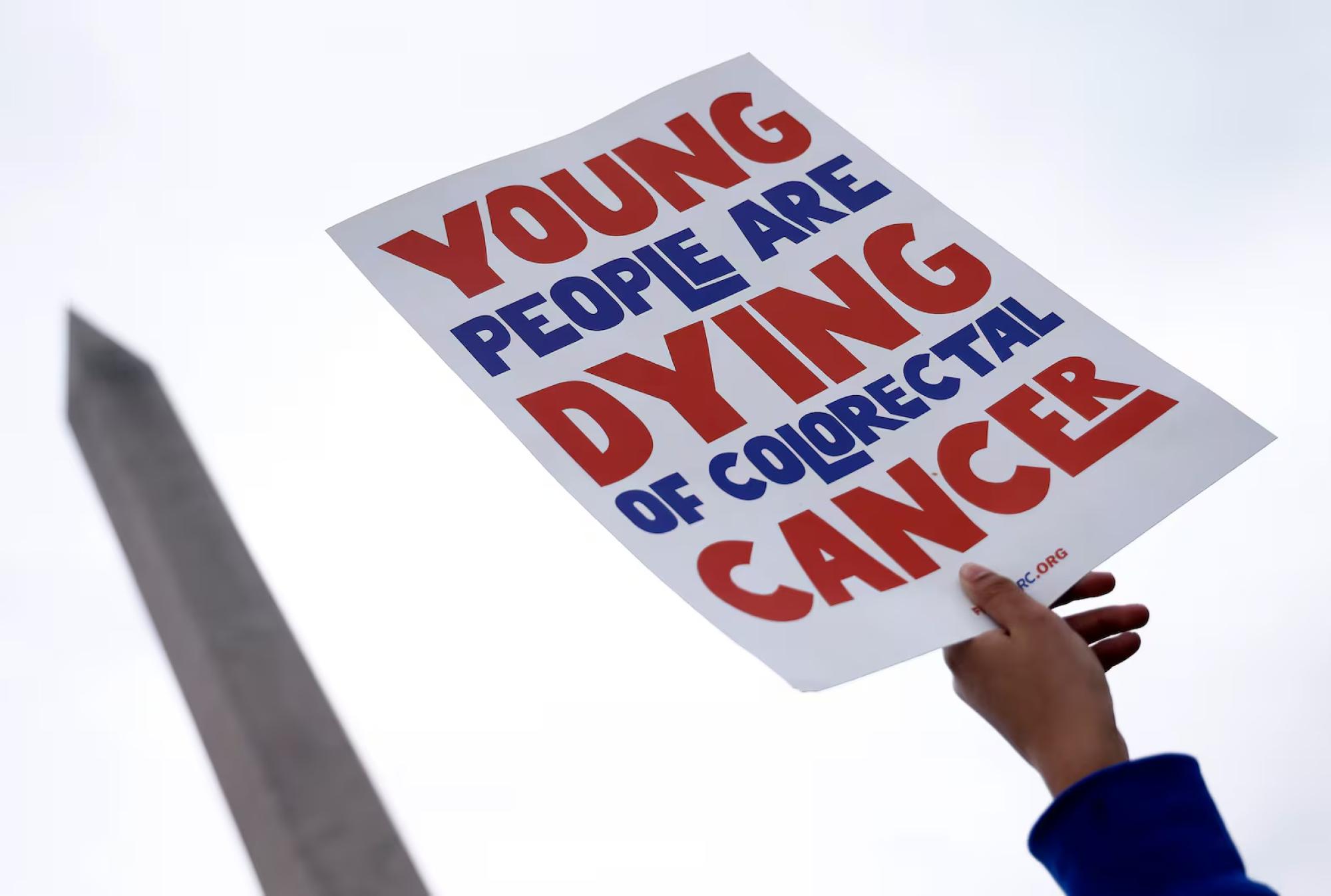
A new study suggests a common weed killer may be linked to the mysterious global rise of young colorectal cancer. The first-of-its kind study published Tuesday in the journal Nature Medicine, suggests that picloram " a herbicide used globally to kill woody plants and shrubs while keeping grasses intact " could explain the rising incidence of colon and rectal cancer cases in people under 50. [Senior study author Jose] Seoane's team found that certain "fingerprints" appeared in the DNA of young colorectal cancer tumors they studied, and those fingerprints were linked back to exposures, including: Smoking; Poor diets, lacking fresh vegetables, beans, nuts and other "Mediterranean" staples; Obesity; Educational attainment (which is also linked to poorer diets); and finally, the weed killer picloram. His team checked to see if this same pattern persisted across populations, comparing the incidence of young colorectal cancer in seven US states, including California, Connecticut, Georgia, Iowa, New Mexico, Utah, and Washington, to the level of county-wide pesticide use. The strongest pesticide signal of all tied to higher rates of young colon cancer was for picloram. (In second place was glyphosate.) Picloram, which was developed in the 1960s, was one of many herbicides used in the "agents" the US Military used to clear forest during the Vietnam War. It works by disrupting the way plant hormones normally function, and can persist in the soil for years.
Latest
Latest News
Each news summary is created according to strict standards. Here's how we do it.
Each summary is created using a consistent editorial procedure. The target length is approximately 16 lines of 11-point Arial text in a 650-pixel-wide column. Up to 25% of a summary may be set in bold to emphasize the most important ideas. Summaries are composed of verbatim excerpts presented in the same sequence as they appear in the original news source, with very minor editorial additions. Where material has been omitted between excerpts, the omission is indicated with ellipses (...). Any words added by an editor for clarity or context appear in [brackets]. Our original news editor was Fred Burks. Tod Fletcher edited most summaries from 2007 through 2014, and Mark Bailey has served as news editor since 2014.