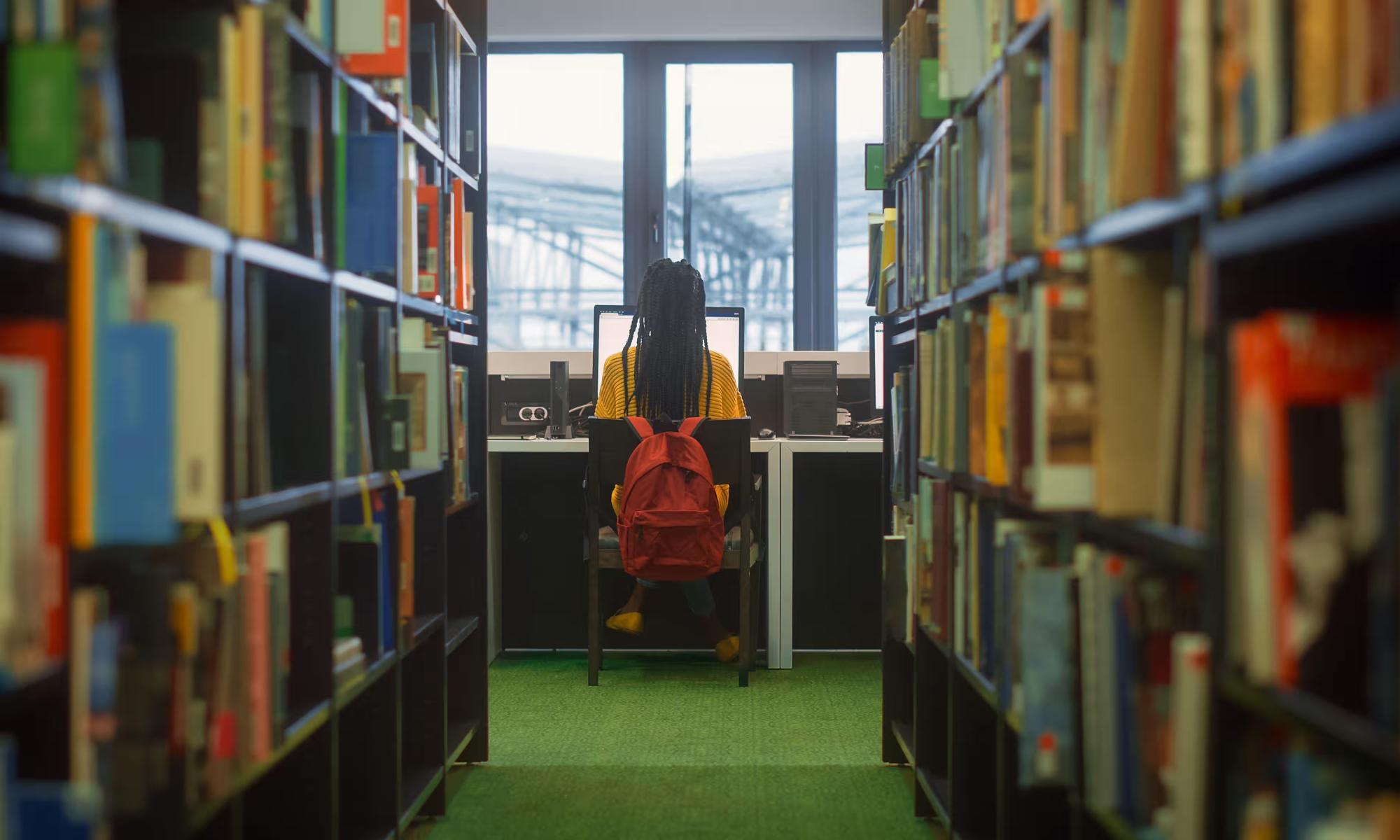
In 2009, Pennsylvania's Lower Merion school district remotely activated its school-issued laptop webcams to capture 56,000 pictures of students outside of school, including in their bedrooms. After the Covid-19 pandemic closed US schools at the dawn of this decade, student surveillance technologies were conveniently repackaged as "remote learning tools" and found their way into virtually every K-12 school, thereby supercharging the growth of the $3bn EdTech surveillance industry. Products by well-known EdTech surveillance vendors such as Gaggle, GoGuardian, Securly and Navigate360 review and analyze our children's digital lives, ranging from their private texts, emails, social media posts and school documents to the keywords they search and the websites they visit. In 2025, wherever a school has access to a student's data whether it be through school accounts, school-provided computers or even private devices that utilize school-associated educational apps " they also have access to the way our children think, research and communicate. As schools normalize perpetual spying, today's kids are learning that nothing they read or write electronically is private. Big Brother is indeed watching them, and that negative repercussions may result from thoughts or behaviors the government does not endorse. Accordingly, kids are learning that the safest way to avoid revealing their private thoughts, and potentially subjecting themselves to discipline, may be to stop or sharply restrict their digital communications and to avoid researching unpopular or unconventional ideas altogether.
Latest
Latest News
Each news summary is created according to strict standards. Here's how we do it.
Each summary is created using a consistent editorial procedure. The target length is approximately 16 lines of 11-point Arial text in a 650-pixel-wide column. Up to 25% of a summary may be set in bold to emphasize the most important ideas. Summaries are composed of verbatim excerpts presented in the same sequence as they appear in the original news source, with very minor editorial additions. Where material has been omitted between excerpts, the omission is indicated with ellipses (...). Any words added by an editor for clarity or context appear in [brackets]. Our original news editor was Fred Burks. Tod Fletcher edited most summaries from 2007 through 2014, and Mark Bailey has served as news editor since 2014.