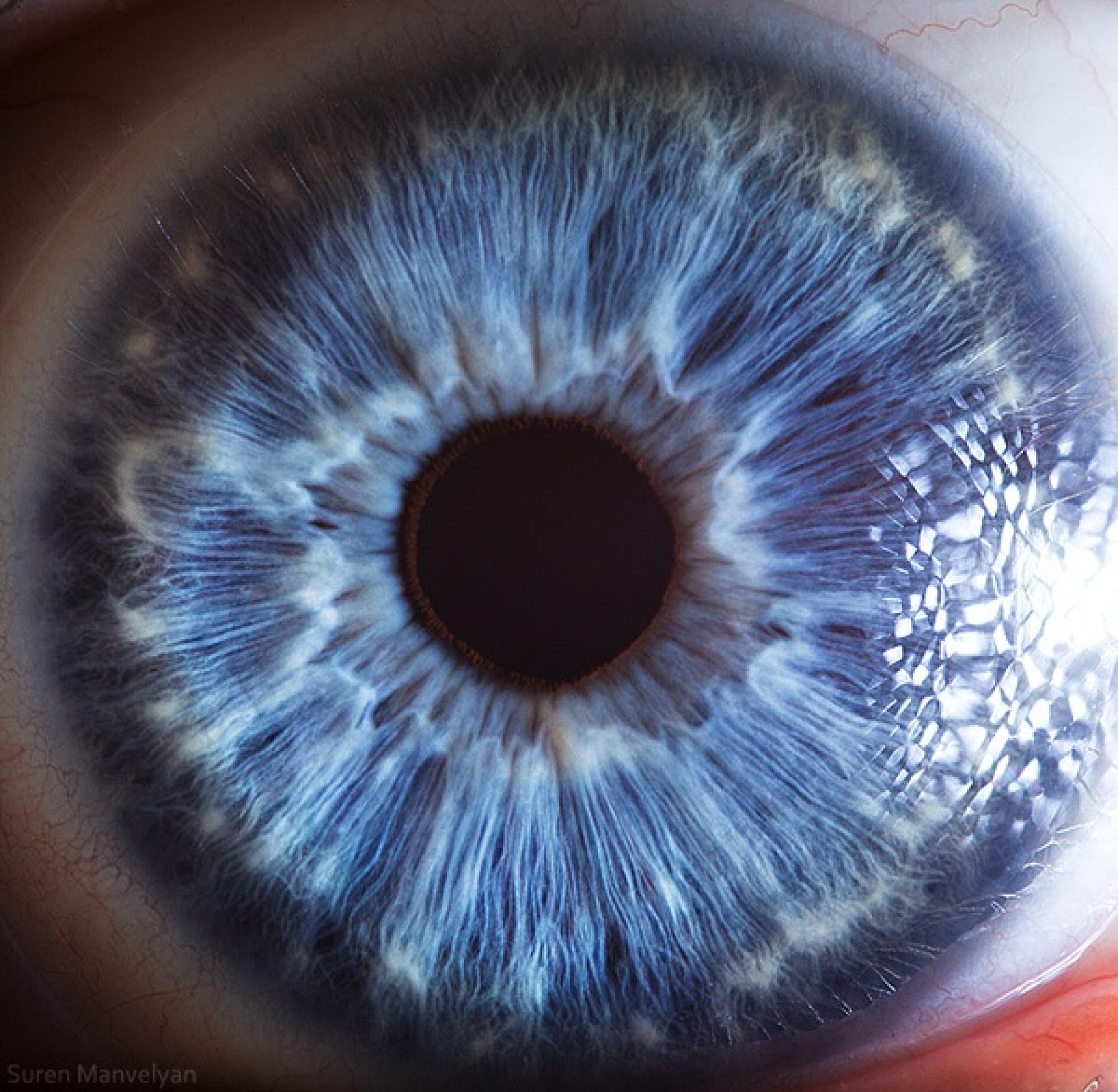
A great deal of visual processing in the brain goes on well below our conscious awareness. Some studies have probed the unconscious depths of vision. One source of evidence comes from the neurological condition known as blindsight, which is caused by damage to areas of the brain involved in processing visual information. People with blindsight report that they are unable to see, either entirely or in a portion of their visual field. However, when asked to guess what is there, they can often do so with remarkable accuracy. The phenomenon of inattentional blindness seems to show you can see without the information crossing into your consciousness. Anyone can experience inattentional blindness. In this experiment, participants are shown a video of people playing basketball, and told to count the number of passes between the players wearing a white shirt. If you've never done this before, I urge to you stop reading now and watch the video. In many cases, people are so busy counting the passes that they completely miss a large gorilla walking across the middle of the scene and beating its chest, then walking off. The gorilla's right there, in the centre of your visual field. Light from the gorilla enters your eyes, and is processed in the visual system, but somehow you missed it, because you weren't paying attention to it. The question is: what makes some information conscious, rather than the information that stays unconscious?
Latest
Latest News
Each news summary is created according to strict standards. Here's how we do it.
Each summary is created using a consistent editorial procedure. The target length is approximately 16 lines of 11-point Arial text in a 650-pixel-wide column. Up to 25% of a summary may be set in bold to emphasize the most important ideas. Summaries are composed of verbatim excerpts presented in the same sequence as they appear in the original news source, with very minor editorial additions. Where material has been omitted between excerpts, the omission is indicated with ellipses (...). Any words added by an editor for clarity or context appear in [brackets]. Our original news editor was Fred Burks. Tod Fletcher edited most summaries from 2007 through 2014, and Mark Bailey has served as news editor since 2014.