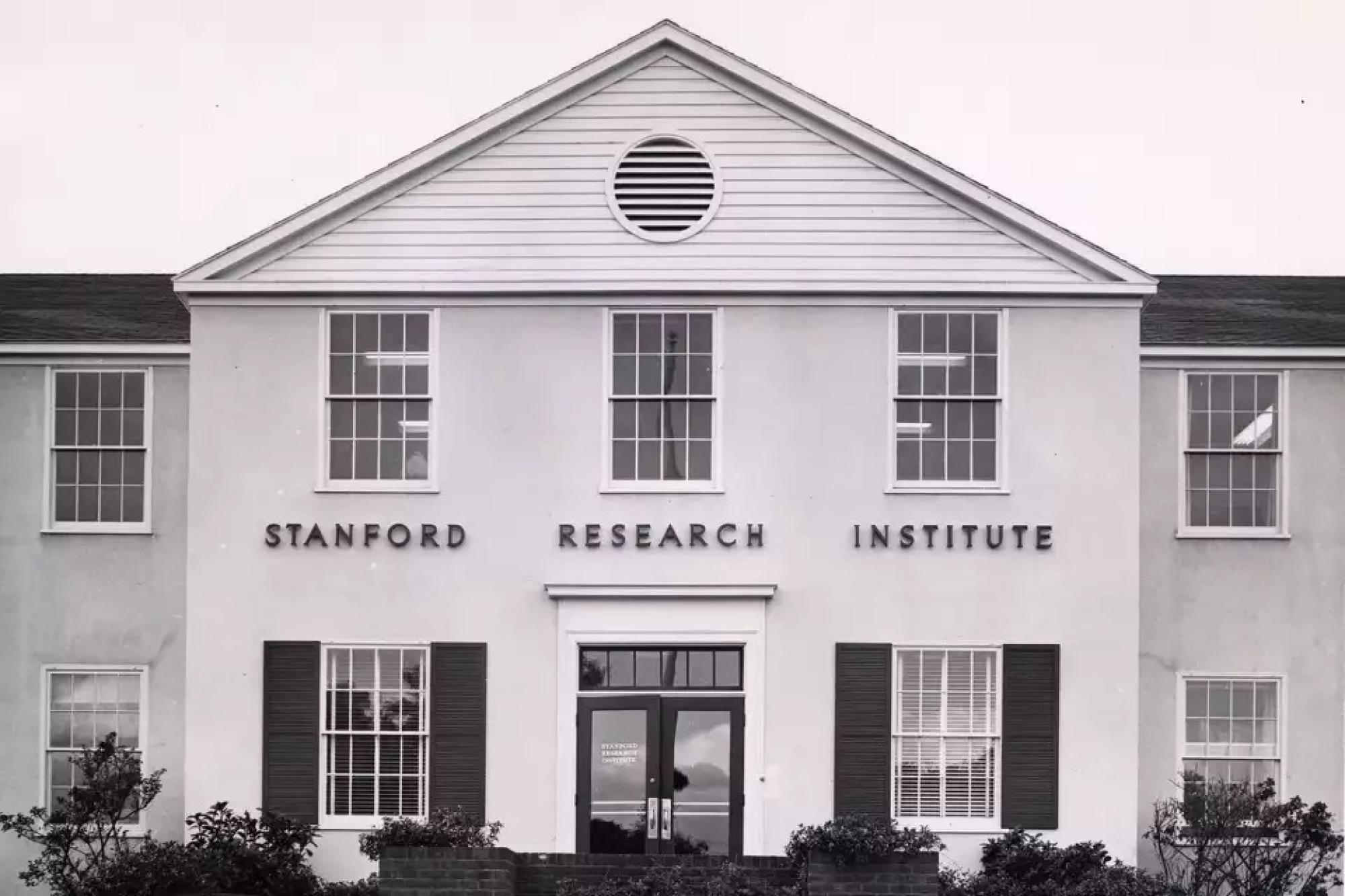
In April of 1972, Russell Targ, a Columbia-trained physicist with an unusual interest in the paranormal, met with the Office of Scientific Intelligence, a secretive branch of the CIA that monitored biological warfare, nuclear weapons and guided missiles during the Cold War. Their Soviet enemies, who had likely been experimenting with drugs, hypnotism, yoga and black magic, were now reportedly moving inanimate objects with their minds. From a military standpoint, the implications were horrifying. So the U.S. government brokered a deal: For an initial investment of $874, or just under $7,000 in today's dollars, Targ and his colleague, fellow physicist Harold Puthoff, would test the feasibility of using psychic spies at their Menlo Park lab. The operation, called Stargate, would go on to explore whether ordinary civilians could locate clandestine military facilities across the world using their hidden third eye. According to archived news reports, in total, officials spent $20 million on the secret program. Almost immediately, "curious" data started to emerge: Subjects began describing secret locations thousands of miles away with frightening accuracy. Others reportedly levitated small weights with their minds, while some allegedly controlled temperatures and read information inside sealed envelopes. One man, Patrick Price, who later became known as the SRI's "psychic treasure," was especially prolific. "We want to make it clear," [Targ] told reporters in 1976, "that the functioning is ordinary, rather than extraordinary. It is a regular human capability."
Latest
Latest News
Each news summary is created according to strict standards. Here's how we do it.
Each summary is created using a consistent editorial procedure. The target length is approximately 16 lines of 11-point Arial text in a 650-pixel-wide column. Up to 25% of a summary may be set in bold to emphasize the most important ideas. Summaries are composed of verbatim excerpts presented in the same sequence as they appear in the original news source, with very minor editorial additions. Where material has been omitted between excerpts, the omission is indicated with ellipses (...). Any words added by an editor for clarity or context appear in [brackets]. Our original news editor was Fred Burks. Tod Fletcher edited most summaries from 2007 through 2014, and Mark Bailey has served as news editor since 2014.