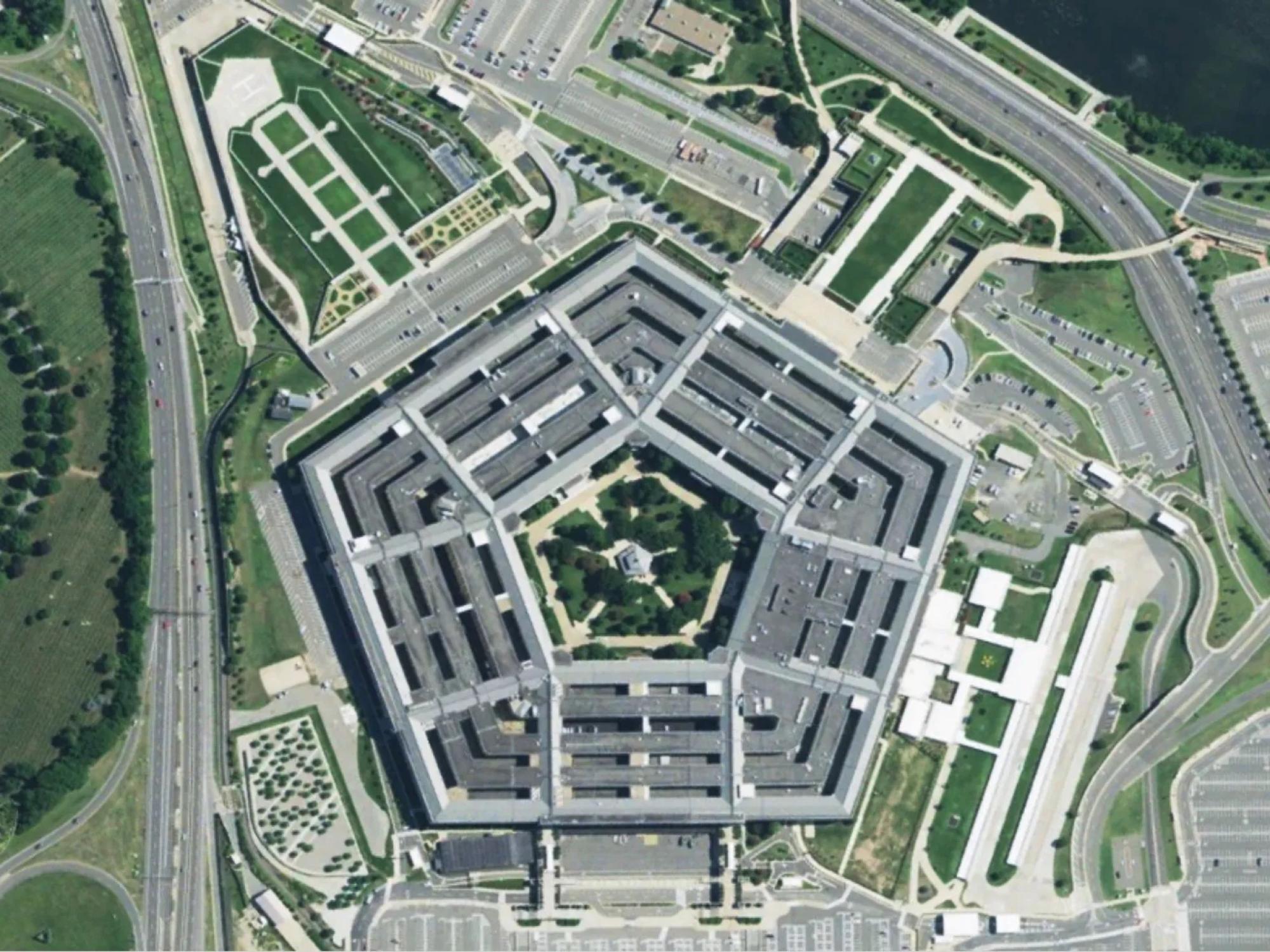
The United States' secretive Special Operations Command is looking for companies to help create deepfake internet users so convincing that neither humans nor computers will be able to detect they are fake. Academic and private sector researchers have been engaged in a race ... to create undetectable deepfakes. The plan, mentioned in a new 76-page wish list by the Department of Defense's Joint Special Operations Command, or JSOC, outlines advanced technologies desired for country's most elite, clandestine military efforts. "Special Operations Forces (SOF) are interested in technologies that can generate convincing online personas for use on social media platforms, social networking sites, and other online content." JSOC wants the ability to create online user profiles that "appear to be a unique individual that ... does not exist in the real world," with each featuring "multiple expressions" and "Government Identification quality photos." The document notes that "the solution should include facial & background imagery, facial & background video, and audio layers." JSOC hopes to be able to generate "selfie video" from these fabricated humans. Each deepfake selfie will come with a matching faked background, "to create a virtual environment undetectable by social media algorithms." A joint statement by the NSA, FBI, and CISA warned [that] the global proliferation of deepfake technology [is] a "top risk" for 2023. An April paper by the U.S. Army's Strategic Studies Institute was similarly concerned: "Experts expect the malicious use of AI, including the creation of deepfake videos to sow disinformation to polarize societies and deepen grievances, to grow over the next decade."
Latest
Latest News
Each news summary is created according to strict standards. Here's how we do it.
Each summary is created using a consistent editorial procedure. The target length is approximately 16 lines of 11-point Arial text in a 650-pixel-wide column. Up to 25% of a summary may be set in bold to emphasize the most important ideas. Summaries are composed of verbatim excerpts presented in the same sequence as they appear in the original news source, with very minor editorial additions. Where material has been omitted between excerpts, the omission is indicated with ellipses (...). Any words added by an editor for clarity or context appear in [brackets]. Our original news editor was Fred Burks. Tod Fletcher edited most summaries from 2007 through 2014, and Mark Bailey has served as news editor since 2014.