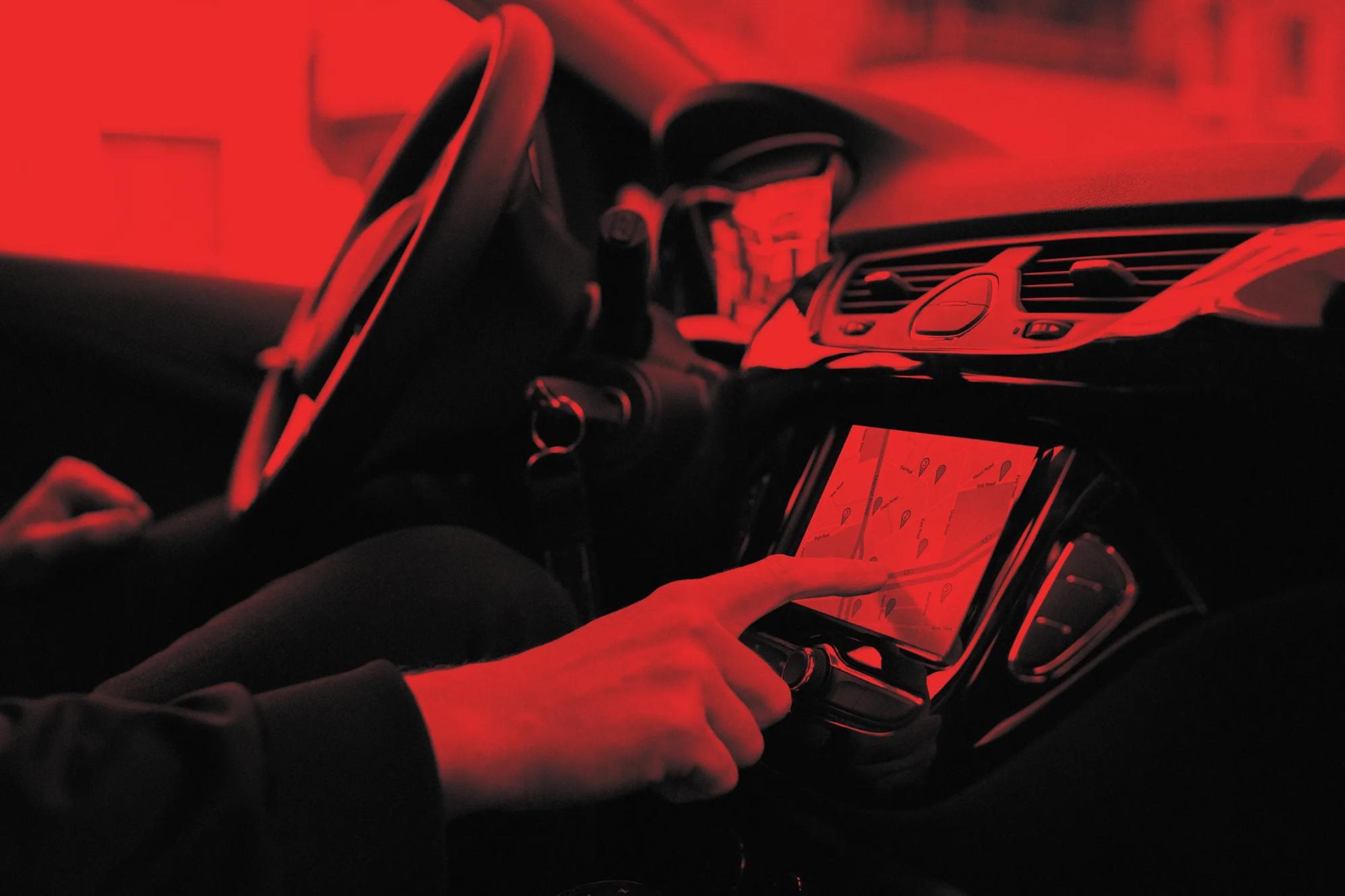
Automakers are increasingly pushing consumers to accept monthly and annual fees to unlock preinstalled safety and performance features, from hands-free driving systems and heated seats to cameras that can automatically record accident situations. But the additional levels of internet connectivity this subscription model requires can increase drivers' exposure to government surveillance and the likelihood of being caught up in police investigations. Police records recently reviewed by WIRED show US law enforcement agencies regularly trained on how to take advantage of "connected cars," with subscription-based features drastically increasing the amount of data that can be accessed during investigations. Nearly all subscription-based car features rely on devices that come preinstalled in a vehicle, with a cellular connection necessary only to enable the automaker's recurring-revenue scheme. The ability of car companies to charge users to activate some features is effectively the only reason the car's systems need to communicate with cell towers. Companies often hook customers into adopting the services through free trial offers, and in some cases the devices are communicating with cell towers even when users decline to subscribe. In a letter sent in April 2024 ... US senators Ron Wyden and Edward Markey ... noted that a range of automakers, from Toyota, Nissan, and Subaru, among others, are willing to disclose location data to the government.
Latest
Latest News
Each news summary is created according to strict standards. Here's how we do it.
Each summary is created using a consistent editorial procedure. The target length is approximately 16 lines of 11-point Arial text in a 650-pixel-wide column. Up to 25% of a summary may be set in bold to emphasize the most important ideas. Summaries are composed of verbatim excerpts presented in the same sequence as they appear in the original news source, with very minor editorial additions. Where material has been omitted between excerpts, the omission is indicated with ellipses (...). Any words added by an editor for clarity or context appear in [brackets]. Our original news editor was Fred Burks. Tod Fletcher edited most summaries from 2007 through 2014, and Mark Bailey has served as news editor since 2014.