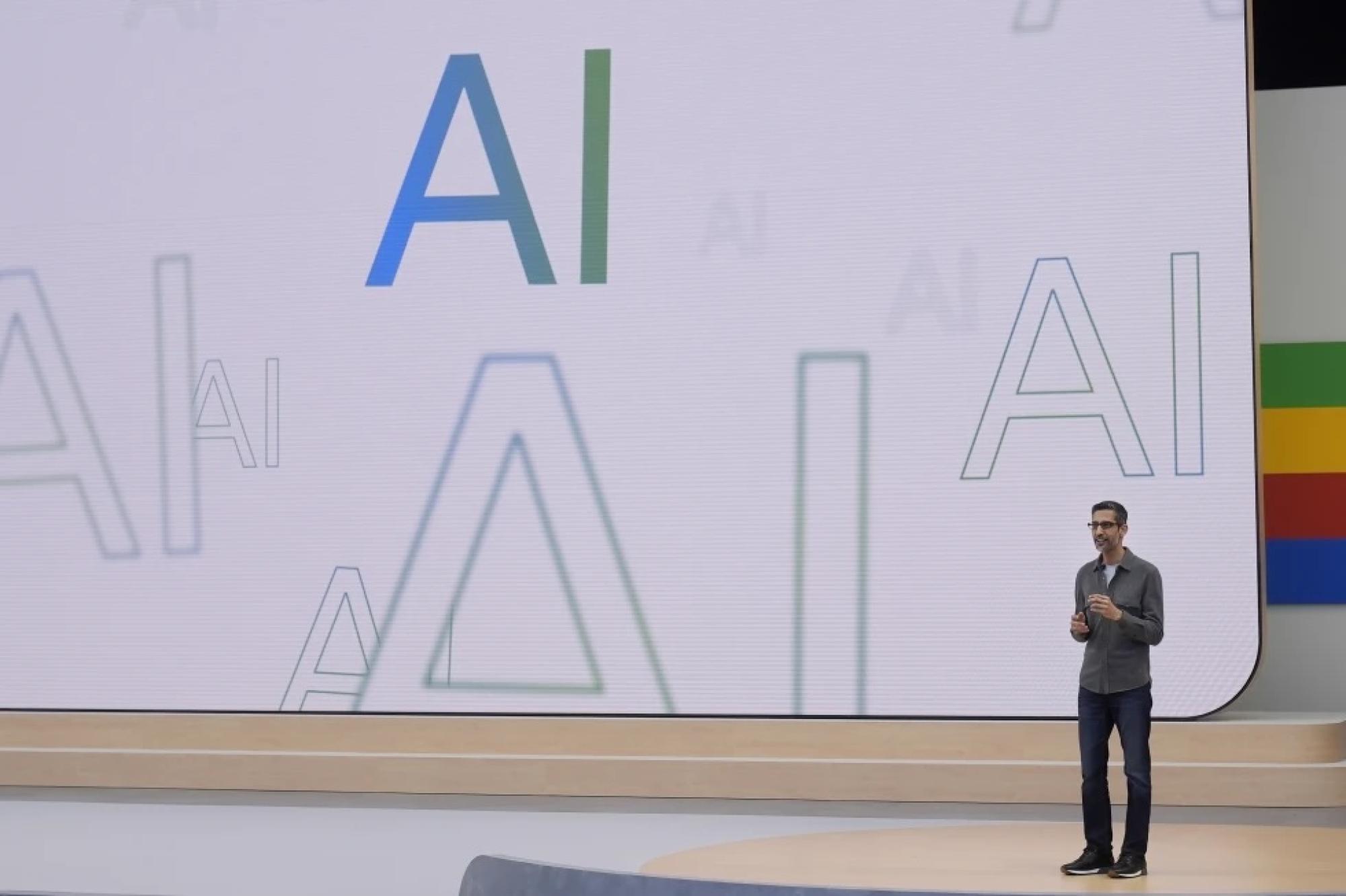
Ask Google if cats have been on the moon and it used to spit out a ranked list of websites so you could discover the answer for yourself. Now it comes up with an instant answer generated by artificial intelligence - which may or may not be correct. "Yes, astronauts have met cats on the moon, played with them, and provided care," said Google's newly retooled search engine. It added: "For example, Neil Armstrong said, 'One small step for man' because it was a cat's step. Buzz Aldrin also deployed cats on the Apollo 11 mission." None of this is true. Similar errors some funny, others harmful falsehoods " have been shared on social media since Google this month unleashed AI overviews, a makeover of its search page that frequently puts the summaries on top of search results. It's hard to reproduce errors made by AI language models " in part because they're inherently random. They work by predicting what words would best answer the questions asked of them based on the data they've been trained on. They're prone to making things up " a widely studied problem known as hallucination. Another concern was a deeper one " that ceding information retrieval to chatbots was degrading the serendipity of human search for knowledge, literacy about what we see online, and the value of connecting in online forums with other people who are going through the same thing.Those forums and other websites count on Google sending people to them, but Google's new AI overviews threaten to disrupt the flow of money-making internet traffic.
Latest
Latest News
Each news summary is created according to strict standards. Here's how we do it.
Each summary is created using a consistent editorial procedure. The target length is approximately 16 lines of 11-point Arial text in a 650-pixel-wide column. Up to 25% of a summary may be set in bold to emphasize the most important ideas. Summaries are composed of verbatim excerpts presented in the same sequence as they appear in the original news source, with very minor editorial additions. Where material has been omitted between excerpts, the omission is indicated with ellipses (...). Any words added by an editor for clarity or context appear in [brackets]. Our original news editor was Fred Burks. Tod Fletcher edited most summaries from 2007 through 2014, and Mark Bailey has served as news editor since 2014.