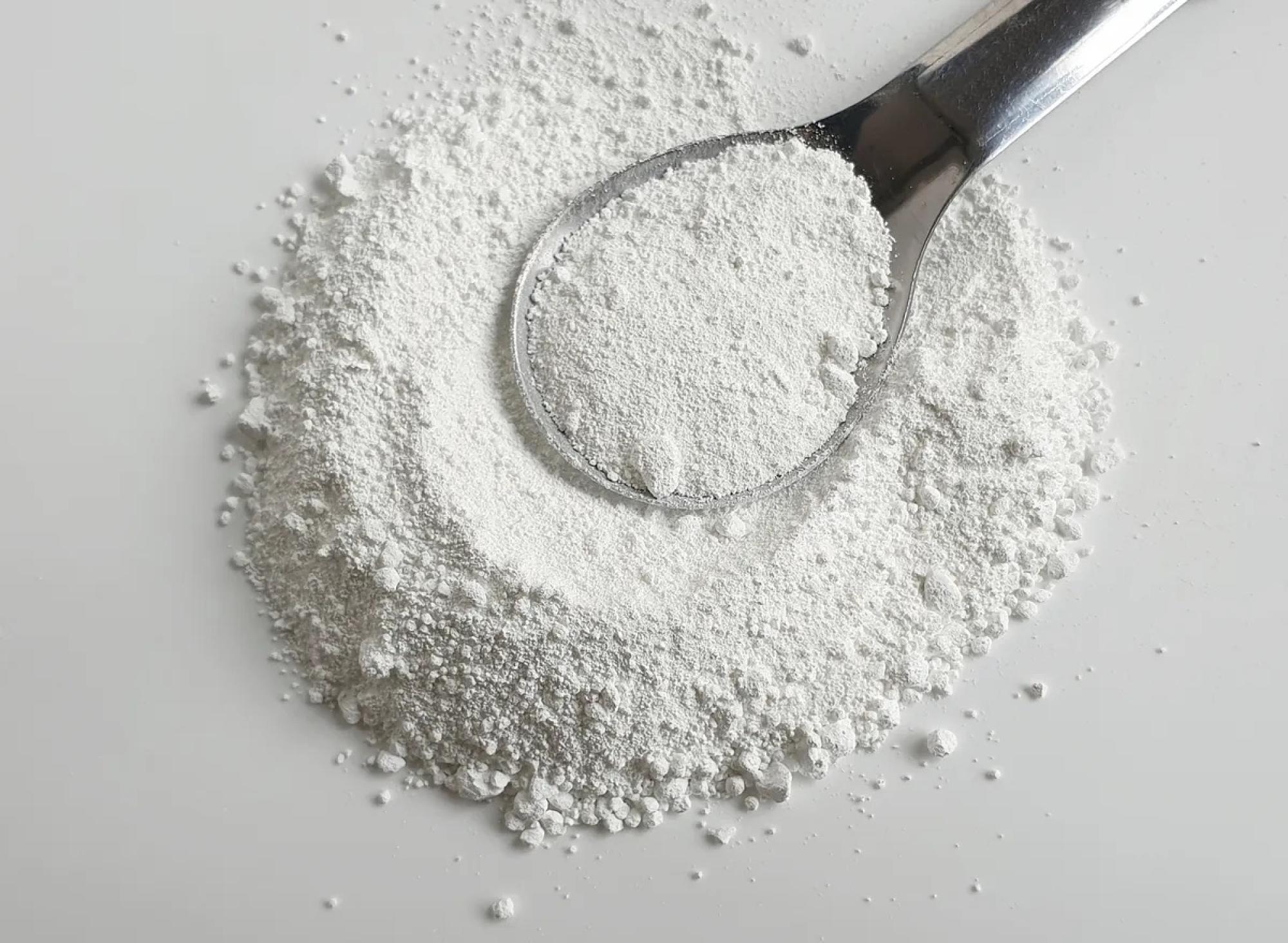
There's a hidden ingredient used as a whitener in an array of foods. It's called titanium dioxide, and while commonly used in the US, it's being banned in the EU as a possible carcinogen. The additive, also known as E171, joins a host of other chemicals that are banned in foods in the European Union but allowed in the US. These include Azodicarbonamide, a whitening agent found in food such as breads, bagels, pizza, and pastries in the US, which has been banned in the EU for more than a decade. The additive has been linked to asthma and respiratory issues in exposed workers and, when baked, to cancer in mice studies. The Food and Drug Administration classifies these food chemicals, and many others prohibited by the EU, as "generally recognized as safe". Chemical safety processes in the EU and US work in starkly different ways. Where European policy tends to take a precautionary approach " trying to prevent harm before it happens " the US is usually more reactive. And while the EU has consistently updated its methods and processes for evaluating new chemicals, some experts say the US system, set up more than half a century ago, needs updating. In the case of additives like titanium dioxide, manufacturers petition the FDA for its approval by submitting evidence that the substance is safe for its intended use. The FDA evaluates the application, and will authorize the additive if it concludes the data provided demonstrates that the substance is safe to use.
Latest
Latest News
Each news summary is created according to strict standards. Here's how we do it.
Each summary is created using a consistent editorial procedure. The target length is approximately 16 lines of 11-point Arial text in a 650-pixel-wide column. Up to 25% of a summary may be set in bold to emphasize the most important ideas. Summaries are composed of verbatim excerpts presented in the same sequence as they appear in the original news source, with very minor editorial additions. Where material has been omitted between excerpts, the omission is indicated with ellipses (...). Any words added by an editor for clarity or context appear in [brackets]. Our original news editor was Fred Burks. Tod Fletcher edited most summaries from 2007 through 2014, and Mark Bailey has served as news editor since 2014.