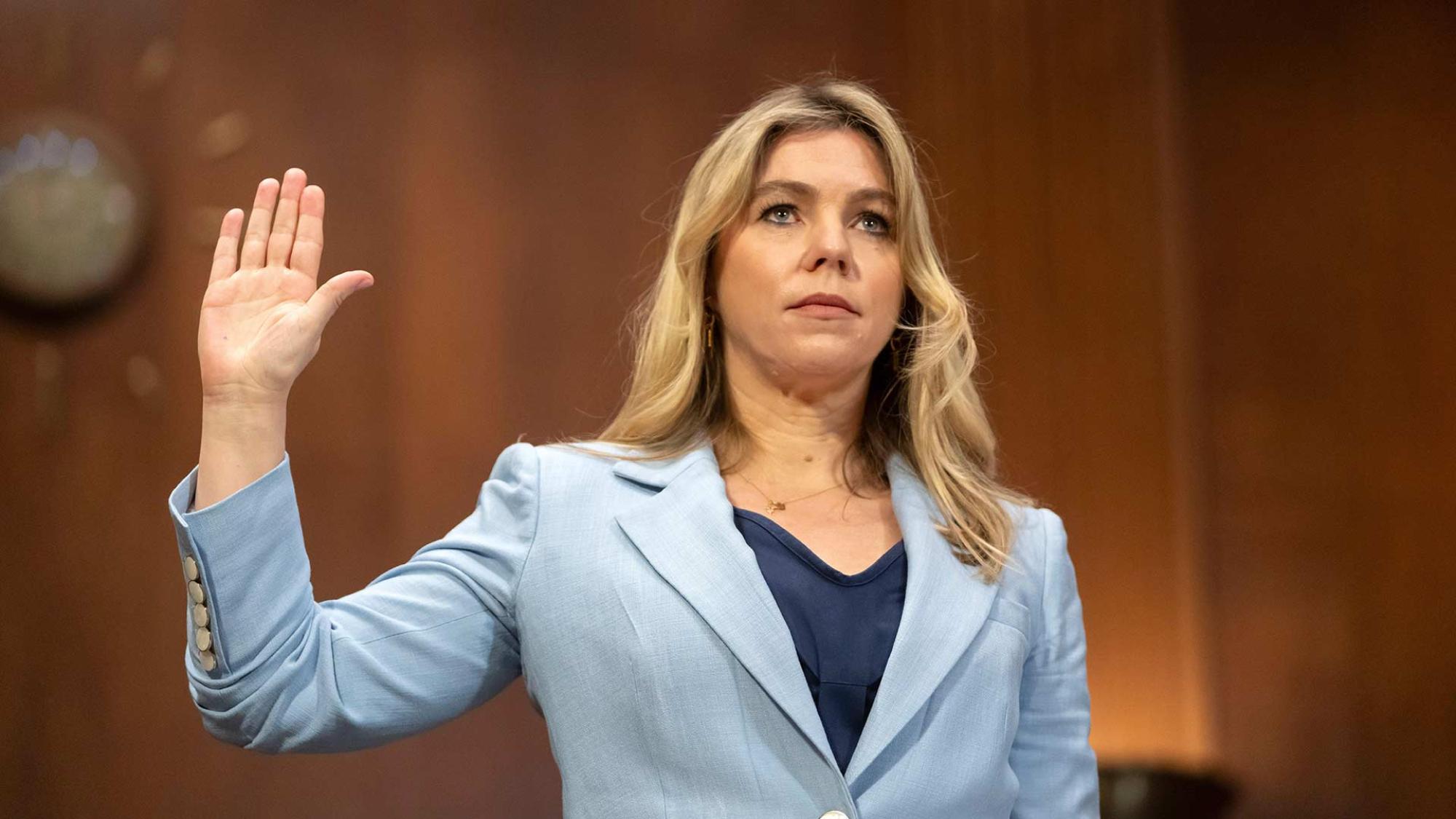
Former Meta employee Sarah Wynn-Williams [was] silenced by Meta's legal threats to bankrupt her if she spoke. Wynn-Williams has written a book, Careless People, about her time at Meta (then Facebook), where she was an early director of global public policy. But Meta does not like the book. It has done everything in its power to stop it, including seeking an emergency arbitration order that prevents Wynn-Williams from promoting the book, and threatening punitive damages. These serve both to punish Wynn-Williams for writing it, and to send a warning to any future critic. A certain kind of libertarian responds by saying that Meta is not "censoring" Wynn-Williams, because only governments can censor. A certain kind of lawyer may say she brought this on herself by signing a contract agreeing not to criticise Meta. Private censorship is real and, in the time we live in, often more impactful than the public kind. Not all contractual provisions are, or should be, enforceable. You cannot write an enforceable contract to sell a child, to bind someone never to marry or to give up other fundamental rights. Why should the right to speak critically be any different? A contract in which someone agrees never to criticise their employer should be void and unenforceable. That is why we need legislation that makes clear a simple principle: that the free-speech right to criticise your employer is important, fundamental and cannot be sold.
Latest
Latest News
Each news summary is created according to strict standards. Here's how we do it.
Each summary is created using a consistent editorial procedure. The target length is approximately 16 lines of 11-point Arial text in a 650-pixel-wide column. Up to 25% of a summary may be set in bold to emphasize the most important ideas. Summaries are composed of verbatim excerpts presented in the same sequence as they appear in the original news source, with very minor editorial additions. Where material has been omitted between excerpts, the omission is indicated with ellipses (...). Any words added by an editor for clarity or context appear in [brackets]. Our original news editor was Fred Burks. Tod Fletcher edited most summaries from 2007 through 2014, and Mark Bailey has served as news editor since 2014.